
As a loving dog owner, it’s natural to wonder What Human Food Can My Dog Eat beyond their regular kibble. Sharing meals can be a bonding experience, but it’s crucial to know which human foods are safe, beneficial, and how to prepare them to ensure your canine companion’s health. While many human foods offer nutritional benefits, others can be detrimental or even toxic. This comprehensive guide from Dog Care Story will help you navigate the world of human foods safe for dogs, providing essential insights into preparation, portion control, and potential health advantages. Understanding these guidelines can transform your dog’s treat time into a healthier and more enjoyable experience, complementing their balanced diet.
Understanding Canine Nutritional Needs and Safe Snacking
Before delving into specific foods, it’s vital to remember that a dog’s primary diet should consist of high-quality, balanced dog food formulated for their life stage and breed. Human foods should always be considered treats or supplements, making up no more than 10% of their daily caloric intake. Introducing new foods slowly can help monitor for any adverse reactions, especially for puppies or dogs with sensitive stomachs. Always prioritize plain, unprocessed options and consult your veterinarian if you have any concerns about your dog’s diet or if you’re wondering about specific dietary needs, such as [what human food can pomeranians eat] or [what human food can 8 week old puppies eat]. Knowing the right approach is key to incorporating occasional human food snacks safely.
Safe Human Foods for Dogs: A Comprehensive List
Here’s a detailed look at common human foods that can be safely shared with your furry friend, along with important considerations for each:
Bread
Small amounts of plain bread are generally harmless for dogs, provided it’s free from spices, nuts, and especially raisins, which are highly toxic. While bread offers little nutritional value and can contribute to excess carbohydrates and calories, homemade varieties without preservatives are a slightly better choice than store-bought. It should be given sparingly as an occasional treat and not as a dietary staple.
Cashews
Cashews can be a delightful treat for dogs in moderation. They contain beneficial nutrients such as calcium, magnesium, antioxidants, and protein. However, despite being lower in fat compared to some other nuts, overfeeding cashews can lead to weight gain due to their caloric density. Always offer unsalted cashews to avoid excessive sodium intake, which is unhealthy for dogs.
Cheese
Most dogs adore cheese, and in small to moderate quantities, it can be a fantastic high-value treat. While lactose intolerance is rare in dogs, it is possible, so introduce cheese cautiously. Opt for lower-fat varieties like cottage cheese or mozzarella to minimize fat intake, which can cause digestive upset or pancreatitis in larger amounts. Many dogs also enjoy specialized dried cheese chews designed specifically for them.
 A golden retriever resting its head on a kitchen counter, looking expectantly at a piece of cheese, ready for a treat.
Coconut
This tropical fruit offers several health benefits for dogs. Coconut contains lauric acid, known for its antiviral and antibacterial properties. It can also help improve bad breath and soothe certain skin conditions like hot spots, flea allergies, and itchy skin. Both coconut milk and coconut oil are safe for dogs. When feeding fresh coconut, ensure the furry outer shell is removed to prevent choking hazards or intestinal blockages.
Corn
Often found as a common ingredient in many commercial dog foods, corn is safe for dogs. It provides essential nutrients and energy. However, the corn cob itself poses a significant risk as it is difficult for dogs to digest and can lead to a dangerous intestinal blockage. Always remove corn from the cob before offering it to your dog. For a fun alternative, consider a corn-shaped chew toy!
Eggs
Cooked eggs are an excellent and highly digestible source of protein for dogs. They are packed with essential amino acids and can even help settle an upset stomach. It’s crucial that eggs are fully cooked, as raw egg whites contain avidin, which can interfere with biotin absorption, potentially leading to a biotin deficiency over time. Scrambled, boiled, or poached eggs without any added seasonings are the best options.
Fish
Certain types of fish can provide a fantastic health boost for dogs due to their rich content of good fats and amino acids. Salmon and sardines are particularly beneficial. Salmon is loaded with omega-3 fatty acids, vitamins, and protein, supporting joint, skin, and brain health. Sardines offer similar benefits and have soft, digestible bones that provide extra calcium. When feeding fish, ensure it is fully cooked and all tiny bones (except for soft sardine bones) are meticulously removed. Limit fish intake to no more than twice a week. If you’re wondering [what human food can dogs eat as a meal], fish like cooked salmon can sometimes be incorporated in small, controlled portions.
Ham
While dogs can eat ham, it’s far from the healthiest option. Ham is typically high in sodium and fat, which can be detrimental to a dog’s health, potentially leading to gastrointestinal upset or more serious conditions like pancreatitis. Sharing a very small, lean, unseasoned piece occasionally is generally acceptable, but it should not become a regular habit or a significant part of their diet.
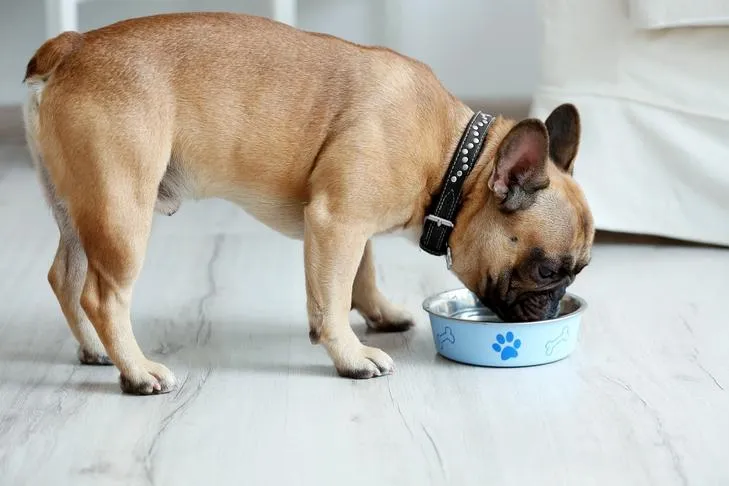 A French Bulldog is attentively eating food from a bowl placed on a patterned rug at home.
Honey
Honey is a natural sweetener that comes with a range of nutrients, including vitamin A, potassium, calcium, magnesium, copper, and antioxidants. Small amounts of local, raw honey may even help dogs with seasonal allergies by gradually introducing small amounts of pollen, building immunity. Beyond consumption, honey’s natural antibacterial properties make it useful as a topical treatment for minor burns and superficial cuts.
Milk
Dogs can drink milk, but caution is advised. Many adult dogs are lactose intolerant, meaning they lack the enzyme needed to properly digest the lactose in milk. This can lead to digestive issues like diarrhea or gas. While a small amount might be fine for some, owners should be aware of the symptoms of lactose intolerance and might consider sticking to water, especially for puppies or dogs with sensitive stomachs. For younger pups, [what can you feed to puppies] often involves specialized puppy milk replacers, not cow’s milk.
Peanut Butter
Peanut butter is a popular and excellent source of protein, heart-healthy fats, vitamins B and E, and niacin for dogs. When choosing peanut butter, always opt for raw, unsalted varieties. Crucially, always check the label to ensure it does not contain xylitol, an artificial sweetener that is highly toxic and potentially fatal to dogs. A small dollop can be a great way to administer medication or simply as a tasty treat.
Peanuts
Unlike almonds, plain, unsalted peanuts are safe for dogs and offer beneficial fats and proteins. They can be a healthy treat when given in moderation. However, due to their fat content, too many peanuts can lead to weight gain or pancreatic issues. Always choose unsalted, plain peanuts to avoid excess sodium, which can be difficult for dogs to process.
Popcorn
Unsalted, unbuttered, air-popped popcorn can be an acceptable treat for your dog in moderation. It contains riboflavin and thiamine, which support eye health and digestion, along with small amounts of iron and protein. It’s essential to ensure all kernels are fully popped, as unpopped kernels can pose a choking hazard or become lodged in teeth, causing discomfort.
Pork
Pork, when cooked properly and unseasoned, is a highly digestible protein source packed with amino acids. It tends to contain more calories per pound than some other meats, so portion control is important. Some pets with allergies to other common proteins like chicken or beef may tolerate pork better. Always ensure it’s cooked thoroughly and free of bones, excessive fat, and seasonings.
Quinoa
Quinoa, a nutritious grain-like seed, is now found in many high-quality dry dog foods. Its robust nutritional profile makes it a healthy alternative to more common starches like corn, wheat, and soy, which are often used as fillers in kibble. Cooked, plain quinoa can be a beneficial addition to your dog’s diet in small amounts.
 A fluffy Samoyed puppy is comfortably lying on vibrant green grass outdoors, looking relaxed and happy.
Salmon
As highlighted before, fully cooked salmon is a powerhouse of protein, beneficial fats, and amino acids. It significantly boosts joint health, brain function, and the immune system. However, it’s critically important that salmon is never fed raw or undercooked, as it can contain parasites that cause severe illness, known as salmon poisoning disease. Symptoms include vomiting, diarrhea, and dehydration, and in extreme cases, it can be fatal. Thorough cooking eliminates these parasites, making it safe.
Shrimp
Cooked shrimp can be a safe and healthy treat for your dog on occasion. They are low in fat, calories, and carbohydrates, while being rich in antioxidants, vitamin B-12, and phosphorus. Always ensure that shrimp are fully cooked and that the shell, tail, head, and legs are completely removed before offering them to your dog to prevent choking or digestive issues.
Tuna
Dogs can consume tuna, but only in very small, controlled amounts. Cooked, fresh tuna is an excellent source of omega-3 fatty acids, which promote heart and eye health. Canned tuna, while generally safe in small quantities, often contains mercury and sodium, which should be avoided in excess. If offering canned tuna, choose varieties packed in water (not oil) and ensure it contains no added spices or seasonings.
Turkey
Unseasoned, cooked turkey is a safe and lean protein source for dogs. When preparing turkey for your dog, always remove any excess fat, skin, and especially bones. Poultry bones can splinter easily during digestion, posing a serious risk of blockage or tears in the intestines. Avoid feeding turkey that has been seasoned with salt, onions, garlic, or other spices, as these can be toxic to dogs. For young dogs, [what can a one month old puppy eat] would generally not include turkey, but rather specialized puppy food.
Wheat or Grains
Contrary to popular belief, many dogs do not need to be on a grain-free diet, and grains can be a perfectly healthy component of their meals. Grains like wheat and corn are valuable sources of protein, essential fatty acids, and fiber. If your dog has specific allergies, a grain-free diet might be recommended by your veterinarian, but for most dogs, grains are a beneficial and safe addition to their diet.
Yogurt
Plain, unsweetened yogurt can be a perfectly acceptable and healthy snack for dogs. The active bacteria (probiotics) in yogurt can help strengthen their digestive system. However, like milk, some dogs may have difficulty digesting dairy products. Always choose plain yogurt without any added sugars, artificial sweeteners (especially xylitol), or fruit flavorings, as these can be harmful.
 A small Papillon puppy is gently taking a treat from a human hand, displaying calm and careful behavior.
Foods to Avoid: A Quick Reminder
While this guide focuses on what human food your dog can eat, it is equally important to be aware of foods that are strictly off-limits due to their toxic nature. Foods like chocolate, grapes and raisins, onions, garlic, avocado, xylitol (found in many sugar-free products), and alcohol can cause serious health issues or even be fatal. Always keep these items away from your dog and educate yourself thoroughly on toxic substances. If you suspect your dog has ingested something toxic, contact your veterinarian or an emergency animal hospital immediately.
Conclusion
Sharing certain human foods with your dog can be a wonderful way to offer variety and enhance their nutrition, provided you prioritize safety, proper preparation, and moderation. Remember that the information on what human food can my dog eat should always complement their primary diet of high-quality dog food. By understanding the benefits and potential risks of each food, you can confidently offer wholesome treats that contribute to your dog’s overall health and happiness. Always err on the side of caution and consult your veterinarian before introducing any new food, especially if your dog has existing health conditions or dietary sensitivities. For more detailed insights into canine nutrition and care, explore other articles on Dog Care Story, including tips on [what can you feed to puppies] during their critical early development stages.
