
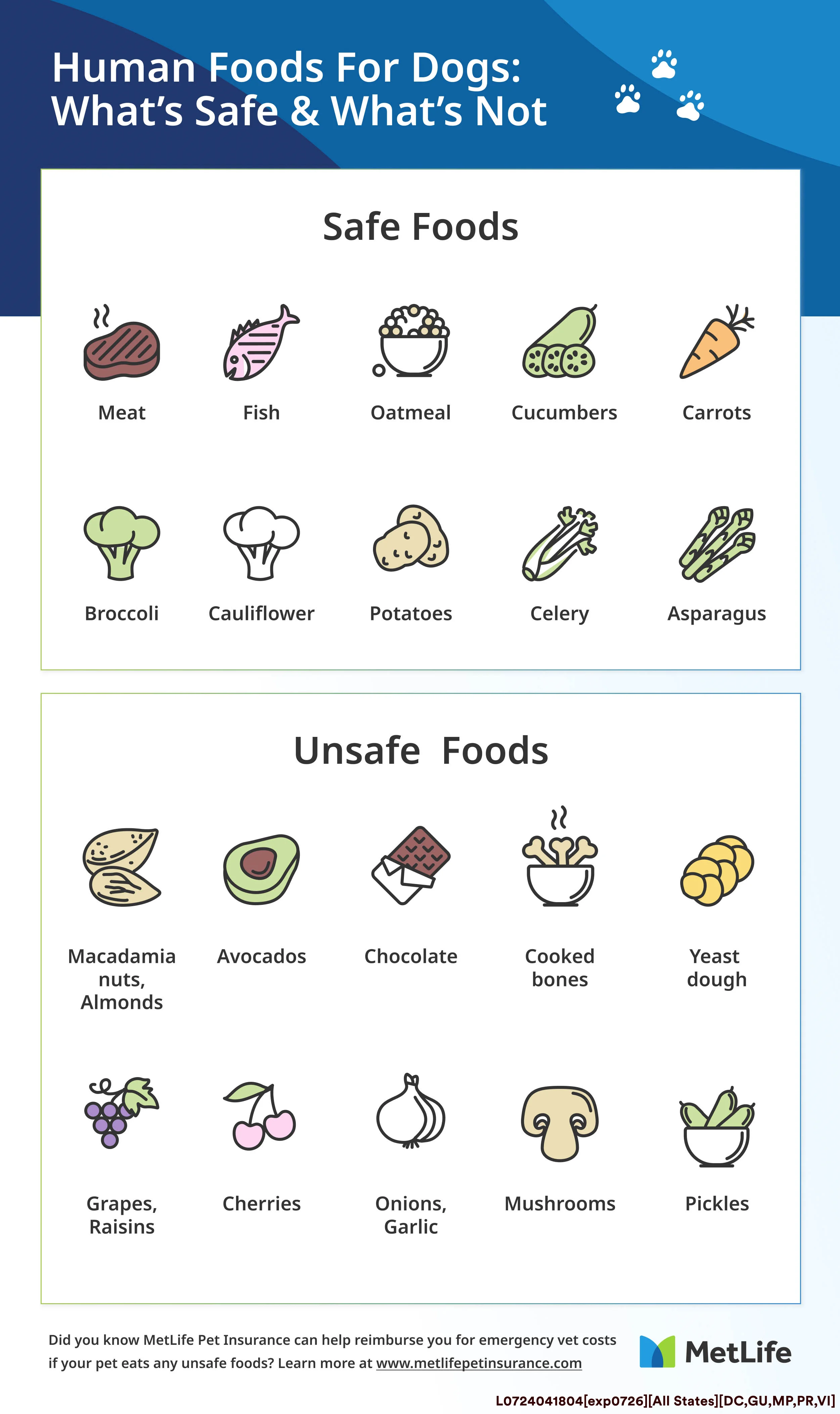
It’s a common scenario: your dog gazes at your plate with those soulful eyes, silently pleading for a taste of your human food. While the temptation is strong, it’s crucial to understand that not all the foods we enjoy are safe for our canine companions. This guide aims to demystify which human foods are safe for dogs, which can be given in moderation, and which should be strictly avoided to protect their health. By understanding these distinctions, you can confidently navigate your dog’s dietary curiosity and ensure they receive the best nutrition.
Foods Your Dog Can Safely Enjoy
The following human foods are not only safe for dogs but also offer significant health benefits when incorporated into their diet in appropriate portions.
1. Carrots
Carrots are a fantastic treat for dogs due to their satisfying crunch and nutritional value. They are rich in beta-carotene, which the body converts into Vitamin A, essential for vision and immune function. Furthermore, chewing on carrots can help clean your dog’s teeth, reducing plaque buildup and improving dental hygiene. It’s important to offer carrots in pieces sized appropriately for your dog to prevent choking hazards.
2. Blueberries
Often referred to as a superfood, blueberries are a powerhouse of antioxidants, vitamins, and fiber. These small berries can significantly boost your dog’s immune system, combating free radicals and potentially reducing the risk of age-related diseases. Their fiber content also aids in healthy digestion.
3. Salmon
Cooked, unseasoned salmon is an excellent source of omega-3 fatty acids, which are vital for maintaining healthy skin and a lustrous coat. These fatty acids also contribute to joint health, making salmon a beneficial addition to your dog’s diet. Always ensure salmon is thoroughly cooked and free from any added spices, oils, or seasonings that could be harmful.
4. Unsalted Peanut Butter
Many dogs have an insatiable love for peanut butter, and it can be a good source of protein and healthy fats. However, it’s critical to choose unsalted and unflavored varieties. Most importantly, always check the ingredients for xylitol, an artificial sweetener that is extremely toxic to dogs and can cause liver failure and hypoglycemia.
5. Eggs
Eggs are a simple yet highly nutritious snack for dogs, packed with protein and essential amino acids. They are easily digestible and can contribute to muscle health. It is recommended to feed eggs cooked, either scrambled or boiled, to eliminate the risk of salmonella contamination associated with raw eggs.
6. Seedless Watermelon
Watermelon is a highly hydrating fruit, especially beneficial during warmer months. It’s packed with essential vitamins like A and C, as well as lycopene. Crucially, all seeds and the rind must be removed before serving, as they can pose choking risks or lead to intestinal blockages.
7. Shrimp
When cooked and served without the tail, shrimp is another safe seafood option for dogs. It’s a lean protein source rich in antioxidants. Similar to salmon, shrimp should be offered occasionally and always unseasoned to ensure safety.
8. Apples
Apples provide a good source of vitamins and fiber, making them a healthy, crunchy snack. However, they should be served in small, manageable pieces. The core and seeds contain small amounts of cyanide and should be removed, and the small pieces can get lodged in a dog’s esophagus.
9. Green Beans
Green beans, whether raw or cooked, are a fantastic low-calorie treat. They are loaded with essential vitamins, minerals, and fiber, promoting digestive health. Ensure they are plain and unseasoned, free from added salt, garlic, butter, or onions, which can be toxic to dogs.
10. Sweet Potatoes and Canned Pumpkin
Both sweet potatoes and plain canned pumpkin are excellent for a dog’s digestive health. They are rich in minerals and dietary fiber, which helps regulate the digestive tract and can alleviate both constipation and diarrhea. Always use plain canned pumpkin, not pumpkin pie filling, which contains spices and sugars.
While these foods are generally considered safe, it is always wise to monitor your dog for any signs of adverse reactions or allergies after introducing new foods into their diet.
