
As devoted dog parents, we constantly seek ways to enrich our furry companions’ lives, and that often includes sharing our food. While a bowl of kibble forms the foundation of a balanced canine diet, many human foods offer fantastic nutritional benefits and can serve as healthy, delicious treats. However, not all human foods are safe for dogs, and some can even be toxic. Knowing What Healthy Human Foods To Feed Dogs is crucial for their well-being and can add exciting variety to their diet.
This guide from Dog Care Story, reviewed by a veterinary expert, dives into a comprehensive list of human foods that are safe, beneficial, and often enjoyable for your canine friend. We’ll explore their nutritional advantages, discuss appropriate serving methods, and highlight important precautions to ensure your dog stays happy and healthy. Understanding what can dog eat that’s human food beyond their regular diet can open up a world of healthy snacking opportunities.
Understanding What’s Safe: General Guidelines
Before introducing any new human food into your dog’s diet, it’s essential to follow some basic rules. Always prioritize your dog’s health and safety.
- Moderation is Key: Even healthy foods should only be given as treats, making up no more than 10% of your dog’s daily caloric intake.
- Plain and Unseasoned: Never offer seasoned or spiced human foods. Ingredients like garlic, onions, and excessive salt are toxic or harmful to dogs.
- Cooked, Not Raw (for meats/eggs): Raw meat and eggs can harbor bacteria like Salmonella, which can make your dog sick. Always cook them thoroughly.
- Remove Dangerous Parts: Seeds, pits, bones (especially cooked ones), and tough rinds can be choking hazards or contain toxic compounds. Always remove them.
- Cut into Small Pieces: To prevent choking, especially for smaller dogs or eager eaters, always chop foods into bite-sized portions.
- Introduce Gradually: Start with small amounts to monitor for any digestive upset or allergic reactions.
- Consult Your Vet: When in doubt, or if your dog has underlying health conditions (like diabetes or allergies), always consult your veterinarian before adding new foods.
 A collection of fresh, healthy human foods like carrots, apples, blueberries, and bell peppers arranged alongside dog kibble, symbolizing a balanced and safe diet for dogs.
Wholesome Fruits Your Dog Can Enjoy
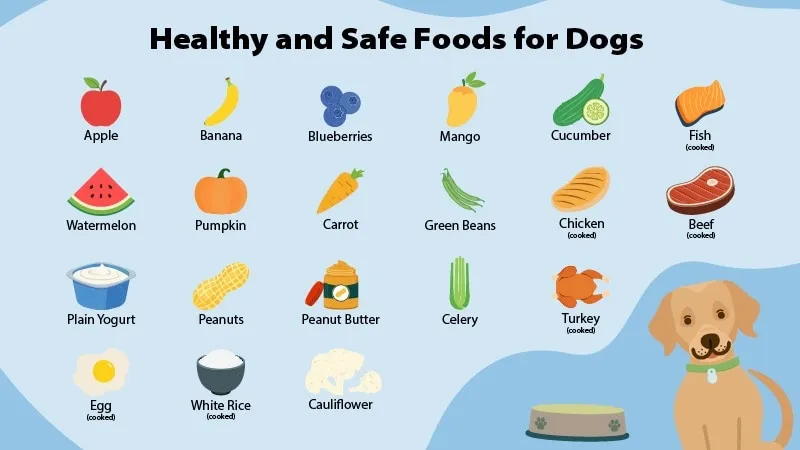
Fruits can be a fantastic source of vitamins, fiber, and antioxidants for dogs, provided they are prepared correctly.
Apples: Crunchy & Nutritious
Fresh apples, without their seeds, are a wonderful, crunchy snack. They’re a good source of vitamins A and C, along with fiber crucial for digestive health. Vitamin A supports the immune system, aids in bone growth, and promotes skin health, while also helping maintain good vision. Vitamin C can reduce inflammation, boost immunity, and assist with cardiovascular function. Always remove the core and seeds, as apple seeds contain small amounts of cyanide.
Bananas: A Sweet & Soft Treat
Bananas are a tasty and easily digestible treat, particularly well-suited for older dogs with sensitive teeth. This fruit is rich in health benefits, including supporting heart health and helping to reduce blood pressure. They are packed with fiber for digestion, folate (vitamin B9) for healthy cell growth, lectin to improve blood sugar and intestinal health, and potassium for fluid balance and kidney function. Bananas also contain tryptophan, an essential amino acid involved in regulating the sleep-wake cycle, appetite, mood, and pain. Just offer them in moderation due to their sugar content.
Blueberries: Tiny Powerhouses of Antioxidants
Often described as deep-purple berries, blueberries are a popular and healthy treat for both humans and dogs. They are an excellent source of vitamins and antioxidants, including vitamins C, K, and A. These nutrients may help reduce the likelihood of various diseases, disorders, and age-related issues, making them a superfood for your pup.
Mango: Tropical Goodness (in Moderation)
Don’t keep this delicious tropical fruit all to yourself! Mangoes are high in fiber and vitamins A, B6, C, and E, making them a fantastic sweet treat. However, always remove the pit and peel, as both could make your dog sick. The pit is a choking hazard and contains small amounts of cyanide, similar to apple seeds. Additionally, too much mango can cause stomach upset, so this is one item on the list to give sparingly.
Watermelon: Hydrating & Refreshing
Watermelon is an excellent way to help your dog stay hydrated, especially during warmer months, thanks to its high water content. It’s also a good source of vitamins A, C, and B6. Always remove all seeds and the rind before giving watermelon to your dog, as seeds can cause intestinal blockages and the rind is difficult for them to digest.
Beneficial Vegetables for Your Canine Companion
Vegetables are an excellent low-calorie, nutrient-dense addition to your dog’s diet, offering essential vitamins and fiber.
Carrots: Great for Dental Health
Carrots are a superb treat for dogs. Their crunchy texture can naturally help scrape plaque from their teeth, promoting better dental hygiene. This orange root vegetable is also a good source of vitamin A. Cold or frozen carrots can be especially helpful for teething puppies, providing a soothing chewing alternative and easing discomfort. However, for young or smaller dogs, it’s vital to cut carrots into small, manageable pieces to prevent them from becoming a choking hazard.
Cauliflower: Nutrient-Rich (but Mind the Gas!)
Low in calories and packed with essential nutrients, unseasoned cauliflower is a great way to supplement your dog’s regular diet. It provides fiber, antioxidants, folate, pantothenic acid, potassium, magnesium, manganese, phosphorus, choline, sulforaphane, and vitamins C, K, and B6. Despite its numerous benefits, cauliflower can sometimes cause gas in dogs, so introduce this treat in small amounts. It’s safe to share raw or cooked, just ensure it’s completely unseasoned.
Celery: Low-Calorie Crunch
If your dog needs to watch their waistline, celery can be an excellent go-to treat. It’s low in fat and a good source of fiber, vitamins A, C, and K. Celery is also packed with folate, potassium, and manganese, which promotes healthy metabolism, and it may even help freshen your pet’s breath. Similar to carrots, celery can be a choking hazard. To prevent problems, chop the veggie into bite-sized pieces, especially for smaller breeds.
Cucumbers: Hydrating & Low-Calorie
Like celery, cucumbers are a low-calorie, sodium- and fat-free crunchy treat that many dogs adore. They are mostly water, making them very hydrating. As with celery, cucumbers can pose a choking risk if given in large chunks, so be sure to cut them into small, bite-sized pieces for your four-legged family member.
Green Beans: The Diet-Friendly Veggie
Green beans are one of the best foods on this list for overweight dogs because they are remarkably low in calories and fat. This versatile veggie is also a good source of fiber and vitamin C. You can feed your dog cooked green beans or offer them frozen ones for a delightfully crunchy snack. Exploring what high fiber foods can dogs eat is beneficial for their digestive health, and green beans are a top choice.
Pumpkin: A Digestive Aid Superstar
Pumpkin is a fantastic supplement to any dog’s diet. It’s incredibly rich in nutritional value, offering vitamins A, C, and E, plus minerals like iron and potassium. Its high soluble fiber content makes it excellent for your dog’s digestion, helping to alleviate common tummy issues like diarrhea or constipation. Moreover, it’s high in prebiotics, which further support a healthy digestive tract. Pumpkin is low in calories and can be an excellent addition to your dog’s regular food. Always ensure that if you’re buying canned pumpkin, it is 100% pure pumpkin, not pumpkin pie filling, which contains dangerous-for-dogs additives and spices.
Lean Proteins and Dairy for a Healthy Boost
Proteins are fundamental for muscle growth and repair, while certain dairy products can offer probiotic benefits.
Cooked Beef: A Hearty Protein Source
Beef is a highly nutritious protein source that provides all essential amino acids, along with various vitamins and minerals. If you choose to give your dog beef, always ensure it’s fully cooked to eliminate any harmful bacteria. Opting for grass-fed cattle, if possible, can be beneficial as they tend to be a better source of healthy fatty acids compared to grain-fed cattle. Serve in small, unseasoned portions.
Cooked Chicken: The Go-To for Upset Stomachs
If your dog has an upset stomach, veterinarians often recommend feeding them plain, boiled chicken and rice. This combination is easily digestible, high in protein, and low in fat, making it an ideal bland diet. You can also offer it as a meat topper to your dog’s kibble. However, since dogs require a balanced diet beyond just meat, it’s best to offer chicken as a supplement or treat rather than a primary food source. And critically, never give your dog chicken bones (especially cooked), as they can splinter and cause severe damage to your dog’s gastrointestinal (GI) tract.
Cooked Turkey: Lean and Protein-Packed
Similar to chicken, turkey is an excellent source of lean protein. When preparing turkey for your dog, be sure to remove the skin, all bones, and any excess fat. Any turkey you give your dog should be fully cooked and completely unseasoned. This ensures it’s safe and easily digestible.
Cooked Fish: Omega-3 Rich Goodness
Fish, particularly salmon and sardines, are rich in protein and amino acids, while also being a fantastic source of omega-3 fatty acids, which benefit skin, coat, and joint health. An added benefit of sardines is that their soft bones offer a valuable boost of calcium. However, sardines are typically the only fish where you can leave the bones in (and even then, check for sharpness); otherwise, it’s crucial to remove all fish bones before feeding fish to your dog. Always fully cook fish and limit your dog’s intake to no more than two servings per week to prevent excessive mercury exposure and ensure a balanced diet. To learn more about protein sources, consider what can you feed your dog human food beyond the typical kibble.
Cooked Eggs: A Complete Protein Source
Eggs are an excellent source of high-quality protein and are packed with many vitamins, including A, B, D, and K. Other important nutrients found in eggs include selenium, calcium, and zinc—all of which contribute to a super healthy treat for your dog. Make sure to cook them thoroughly, as raw eggs can contain salmonella, which can make your dog very sick. Your dog may enjoy scrambled eggs or even a hard-boiled egg as a beneficial compliment to their regular diet.
Plain Yogurt: Probiotics for Gut Health
While some dogs have difficulty digesting dairy products, plain yogurt can be a wonderfully healthy treat for your dog. The live and active cultures (probiotics) found in plain yogurt can help strengthen your dog’s digestive system and improve gut health. However, it is absolutely essential not to give your dog yogurt with any added sugar or artificial sweeteners, especially xylitol, which is highly toxic to dogs.
Grains and Other Healthy Additions
Certain grains and nuts can provide energy and essential nutrients when given correctly.
White Rice: Gentle on the Tummy
Cooked white rice is a staple often recommended by veterinarians for dogs needing a bland diet, especially when recovering from an upset stomach. It’s easy to digest and helps to firm up loose stool. However, since rice can cause a spike in blood sugar, dogs with diabetes should only consume it in very small amounts, and always under veterinary guidance. Your vet can help you determine how much rice, if any, your dog should consume based on their specific health needs.
Peanuts (Unsalted) and Peanut Butter (Xylitol-Free): Energy Boosters
Peanuts, when unsalted, are generally considered a safe nut for dogs to eat. They contain healthy fats and protein, but too much fat can lead to issues like weight gain or pancreatitis, so moderation is key. Peanut butter offers the added benefits of vitamins B and E, as well as fiber, all of which are good for cardiovascular and digestive health. The most critical caution with peanut butter is to always make sure it does not contain xylitol, a sugar substitute that is extremely toxic and potentially fatal to dogs. Always check the ingredient list carefully. If you have a puppy, it’s also important to consider what human food can 8 week old puppies eat as their dietary needs can be more sensitive.
Important Considerations Before Sharing Human Food
While many human foods are safe and beneficial, some are strictly off-limits. Always be vigilant about what you offer your dog. Avoid foods like chocolate, onions, garlic, grapes, raisins, avocado, alcohol, and anything sweetened with xylitol. Additionally, it’s crucial to understand what meat should i never feed my dog to prevent serious health issues. Always remember that even healthy human foods should only supplement a balanced, high-quality dog food diet.
Conclusion
Incorporating healthy human foods into your dog’s diet can be a wonderful way to boost their nutrition and happiness. From the crunch of an apple to the lean protein of cooked chicken, these additions can provide essential vitamins, minerals, and fiber. However, the golden rule remains: moderation, proper preparation, and vigilance are paramount. Always ensure foods are unseasoned, de-seeded, de-pitted, and de-boned, and consult with your veterinarian if you have any doubts or questions, especially concerning specific dietary needs or health conditions.
By carefully selecting and preparing what healthy human foods to feed dogs, you can provide your beloved canine companion with delicious, nutritious, and safe treats that contribute to a long, vibrant life. For more expert advice and articles on optimal pet care, continue exploring Dog Care Story!
Expert Reviewer
Dr. Kathy Wiederkehr (Wentworth), V.M.D.
Dr. Kathy Wiederkehr (Wentworth) has been practicing veterinary medicine at pet care facilities in California since 2001. She is a graduate of the University of Pennsylvania School of Veterinary Medicine and became board-certified as a diplomate in Canine and Feline Practice by the American Board of Veterinary Practitioners in 2010. Her expertise ensures that the information provided on Dog Care Story is accurate and beneficial for pet owners.
Author Bio
Abbie Mood is a freelance writer with more than 15 years of experience creating compelling content for various clients, including the American Kennel Club, Marriott Bonvoy, Women’s Health Online, and Headspace. Her passion for pets and commitment to delivering well-researched information are evident in her contributions to Dog Care Story.
