
As a dedicated dog parent, you’re constantly seeking ways to enhance your furry friend’s health and happiness. One common question that often arises is about sharing human foods. While a balanced commercial dog food diet provides essential nutrients, occasional healthy treats from your kitchen can offer additional vitamins, minerals, and a delightful variety for your canine companion. However, it’s crucial to know which human foods are safe and beneficial, and which ones pose a risk. Introducing new foods incorrectly or offering harmful ingredients can lead to digestive upset or more serious health issues. This guide from Dog Care Story aims to equip you with the knowledge to make informed decisions about what you can feed your dog, ensuring their well-being and joyful tail wags.
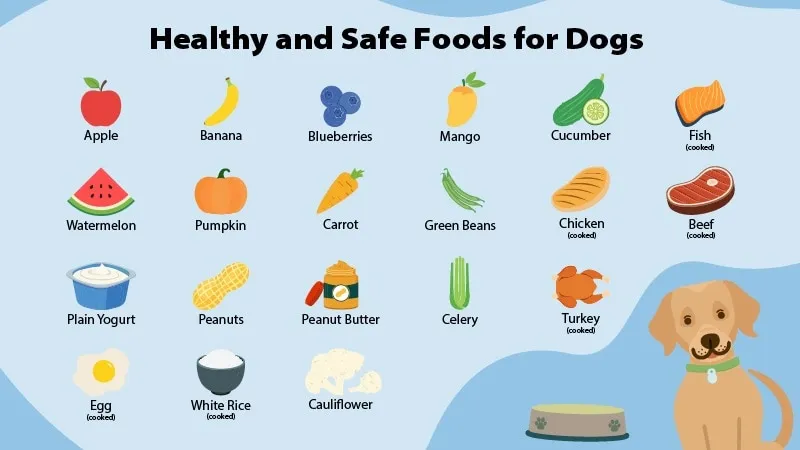 A variety of safe and healthy human foods for dogs, including fruits, vegetables, and cooked meats.
When considering what to add to your dog’s diet, always remember that moderation is key. Treats should never make up more than 10% of their daily caloric intake. Moreover, proper preparation is paramount—ensure all foods are plain, unseasoned, and cut into appropriate, bite-sized pieces to prevent choking hazards. For a more detailed understanding of healthy human foods for dogs, explore our dedicated article on the topic.
Here’s a list of safe and healthy human foods you can share with your beloved canine:
1. Apples
Fresh apples offer a fantastic, crunchy snack for dogs, provided you meticulously remove all seeds and the core. Apple seeds contain trace amounts of cyanide, which can be harmful if consumed in large quantities. This fruit is an excellent source of vitamins A and C, along with dietary fiber, crucial for maintaining a healthy digestive system and promoting regular bowel movements. Vitamin A supports immune function, aids in bone growth, and contributes to healthy skin and vision. Vitamin C acts as an antioxidant, helping to reduce inflammation and boost overall immunity, while also supporting cardiovascular health. Always wash apples thoroughly before serving and slice them into small, manageable pieces.
2. Bananas
Bananas are a delightful and easily digestible treat, particularly well-suited for older dogs or those with sensitive teeth due to their soft texture. These versatile fruits are packed with numerous health benefits, including their ability to help reduce blood pressure and support overall heart health.
They are rich in:
- Fiber: Essential for aiding digestion and maintaining gut regularity.
- Folate (Vitamin B9): Contributes to healthy cell growth and function.
- Lectin: May assist in improving blood sugar regulation and intestinal health.
- Potassium: Vital for fluid balance, nerve function, and kidney health.
- Tryptophan: An essential amino acid involved in regulating sleep, appetite, mood, and pain perception.
- Vitamin C: A powerful immune system booster.
Offer bananas in moderation due to their sugar content, typically a few slices or a small mashed portion as a special snack.
3. Beef (Cooked)
Cooked beef is a highly nutritious protein source for dogs, providing all essential amino acids necessary for muscle development and overall bodily functions. It’s also rich in various vitamins and minerals like iron, zinc, and B vitamins. If you decide to feed your dog beef, ensure it is thoroughly cooked without any seasoning, sauces, or gravies, as these can contain ingredients harmful to dogs. Opt for lean cuts and trim off excess fat to prevent digestive upset. Grass-fed beef is often preferred as it tends to be a better source of beneficial fatty acids compared to grain-fed options. Always cut cooked beef into small, chewable pieces.
4. Blueberries
These small, deep-purple (or sometimes blue) berries are a powerhouse of nutrition for both humans and dogs. Blueberries are an exceptional source of vitamins, particularly C, K, and A, and are renowned for their high antioxidant content. These antioxidants, such as anthocyanins, play a crucial role in combating free radicals in the body, which may reduce the likelihood of various diseases, disorders, and age-related issues, including cognitive decline. They make a great, low-calorie training treat or an addition to your dog’s meal. Serve them fresh or frozen for a cool, refreshing snack.
5. Carrots
Crunchy carrots are an excellent, healthy snack that many dogs adore. Beyond their appealing texture, which can help scrape plaque off their teeth, these vibrant orange root vegetables are a fantastic source of beta-carotene, which the body converts into vitamin A. This vitamin is vital for vision, immune function, and skin health. Cold or frozen carrot sticks can also be incredibly soothing for teething puppies, providing a safe and durable item to chew on and alleviating discomfort. However, for all dogs, especially young ones or smaller breeds, it’s essential to cut carrots into small, bite-sized pieces to eliminate any potential choking hazards.
6. Cauliflower (Unseasoned)
Cauliflower is a wonderfully versatile vegetable that can be a healthy supplement to your dog’s regular diet. It is low in calories and packed with a comprehensive array of nutrients, including fiber (beneficial for digestion), antioxidants, folate, pantothenic acid, potassium, magnesium, manganese, phosphorus, choline, sulforaphane, and vitamins C, K, and B6. Despite its many benefits, cauliflower can sometimes cause gassiness in dogs, so it’s best to introduce it in small amounts and offer it in moderation. It’s safe to share with your pup either raw or cooked (steamed or boiled), but always ensure it is completely unseasoned.
7. Celery
If you’re looking for a low-calorie, hydrating treat for your dog, especially if they need to manage their weight, celery could be an excellent choice. This crisp vegetable is naturally low in fat and serves as a good source of fiber and vitamins A, C, and K. It’s also rich in folate, potassium, and manganese, all of which promote healthy metabolic functions. An added bonus? Celery’s natural crunch might even help freshen your pet’s breath. However, like carrots, celery can be a choking hazard due to its fibrous strings and shape. Always chop celery into small, bite-sized pieces, particularly for smaller dogs, to ensure safe consumption.
8. Chicken (Cooked and Unseasoned)
Cooked, plain chicken is often a go-to recommendation from veterinarians for dogs experiencing an upset stomach, typically served boiled and mixed with white rice. It’s highly digestible, rich in lean protein, and low in fat, making it gentle on a sensitive digestive system. You can offer cooked chicken as a supplement, a high-value treat, or as a meat topper to their regular kibble. However, since dogs are omnivores and require a balanced diet that extends beyond just meat, it should not be their primary food source for extended periods. Crucially, never give your dog chicken bones (especially cooked ones), as they can splinter easily and cause serious damage to your dog’s gastrointestinal tract, leading to internal injuries or blockages. Always ensure the chicken is cooked thoroughly and unseasoned.
9. Cucumbers
Cucumbers are an excellent, refreshing treat for dogs, particularly on a warm day. Similar to celery, they are extremely low in calories, sodium-free, and fat-free, making them an ideal choice for dogs needing to watch their weight. Their high water content also contributes to hydration. However, also like celery, cucumbers can pose a choking risk due to their size and crisp texture. Always slice cucumbers into small, bite-sized pieces for your four-legged family member to prevent any problems, especially for smaller breeds.
10. Eggs (Cooked and Unseasoned)
Cooked eggs are a highly beneficial and protein-rich treat for dogs, packed with essential amino acids and a wide array of vitamins, including A, B (Biotin, B12, Riboflavin), D, and K. They also provide important minerals such as selenium, calcium, and zinc, all contributing to a super healthy addition to your dog’s diet. It is critical to ensure eggs are fully cooked to eliminate the risk of salmonella contamination, which can cause severe gastrointestinal illness in dogs. Your dog might enjoy scrambled eggs, hard-boiled eggs, or even an omelet (plain, of course) as a compliment to their regular meals. Never add seasonings, butter, or oil when preparing eggs for your dog.
11. Fish (Cooked and Unseasoned)
Certain types of cooked fish, particularly salmon and sardines, are incredibly beneficial for dogs. They are rich in high-quality protein and essential amino acids, crucial for muscle health and overall vitality. Furthermore, they are an excellent source of omega-3 fatty acids, known for their anti-inflammatory properties, which support skin and coat health, joint mobility, and cognitive function. An added advantage of sardines is that their tiny, soft bones are edible and provide a valuable boost of calcium.
Important Note: With the exception of sardines (where bones are soft and small), it is absolutely critical to remove all bones from fish before feeding it to your dog, as bones can splinter and cause internal damage or choking. Always ensure fish is fully cooked and unseasoned. Limit your dog’s intake of fish to no more than two servings per week to prevent over-supplementation and potential mercury exposure, especially with larger fish. For information on what you can feed your dog, consult our comprehensive resources.
12. Green Beans
Green beans are one of the best and most versatile vegetable treats for dogs, especially those needing to manage their weight, as they are exceptionally low in calories and fat. This crisp veggie is also a good source of dietary fiber, promoting healthy digestion and satiety, and vitamin C, an important antioxidant. You can offer your dog fresh or steamed green beans, or even give them frozen beans for a crunchy, cooling snack. Ensure they are plain and unseasoned, without added salt or butter.
13. Mango
Don’t keep this delicious tropical fruit all to yourself – mango can be a fantastic sweet treat for your dog. It’s high in fiber and a rich source of vitamins A, B6, C, and E, which support immune health, vision, and skin. However, it’s crucial to always remove the large, hard pit and the peel before offering mango to your dog. The pit can be a choking hazard and contains small amounts of cyanide, while the peel can be difficult to digest and potentially cause stomach upset. Additionally, due to its natural sugar content, too much mango could lead to stomach issues or contribute to weight gain, so this is an item to give in strict moderation. Slice it into small, manageable pieces.
14. Peanuts (Unsalted) and Peanut Butter
Unsalted peanuts are a safe and generally well-loved nut for dogs. They provide beneficial healthy fats and protein, but caution is necessary as too much fat can lead to issues like weight gain or even pancreatitis in sensitive dogs. Peanut butter offers the added benefits of vitamins B and E, as well as fiber, all of which contribute to cardiovascular and digestive health. The most critical precaution with peanut butter is to always ensure it does not contain xylitol, a sugar substitute that is highly toxic to dogs and can cause a rapid and severe drop in blood sugar, liver failure, or even death. Always check the label for xylitol and opt for natural, unsalted, and xylitol-free peanut butter. Offer sparingly due to high-calorie content.
15. Pumpkin
Pumpkin is an incredibly beneficial supplement for almost any dog’s diet, especially known for its digestive advantages. It’s remarkably rich in nutritional value, providing vitamins A, C, and E, along with essential minerals like iron and potassium. Its high soluble fiber content makes it exceptional for regulating your dog’s digestion, effectively helping with both diarrhea and constipation. Furthermore, pumpkin is high in prebiotics, which support a healthy balance of beneficial gut bacteria in the digestive tract.
Pumpkin is low in calories, making it an excellent addition to your dog’s regular food. Always ensure that if you are buying canned pumpkin, it is pure pumpkin puree and not pumpkin pie filling, which contains dangerous-for-dogs additives like spices and sugar. Serve plain, cooked pumpkin (canned or fresh) in small, controlled amounts.
16. Turkey (Cooked and Unseasoned)
Similar to chicken, cooked turkey is a fantastic source of lean protein for dogs. It’s easily digestible and can be a good option for dogs with sensitive stomachs or as a part of a bland diet. When preparing turkey for your dog, it is essential to remove all skin, bones, and excess fat. The skin is high in fat and can lead to pancreatitis, while bones can splinter and cause internal injuries. Any turkey you give your dog must be fully cooked and completely unseasoned, without any spices, onions, garlic, or other potentially harmful ingredients. Cut it into small, bite-sized pieces for safe consumption.
17. Watermelon
Watermelon is a refreshing and hydrating treat, especially enjoyable for dogs during warmer months. It’s primarily composed of water, making it a great way to help keep your dog hydrated. Additionally, it’s a good source of vitamins A, C, and B6. For safe feeding, always remove all seeds and the rind before offering watermelon to your dog. The seeds can cause intestinal blockage, and the rind is difficult to digest and can lead to gastrointestinal upset. Slice the red, fleshy part into small, manageable chunks. If you’re wondering what vegetables are not safe for dogs, it’s a good idea to research common toxic plants.
18. White Rice (Cooked)
Cooked plain white rice is a staple recommendation for dogs needing a bland diet, often paired with boiled chicken, for a few days when they are recovering from an upset stomach or diarrhea. It’s easy to digest and helps to firm up loose stool, providing a gentle source of energy. However, because rice can cause a rapid spike in blood sugar levels, dogs with diabetes should only consume it in very small, controlled amounts, if at all. Always consult your veterinarian to determine how much rice, if any, is appropriate for a diabetic dog. For more information on human foods for diabetic dogs, check out our guide.
19. Yogurt (Plain)
Plain, unflavored yogurt can be a wonderfully healthy treat for many dogs, primarily due to the beneficial probiotics it contains. These live cultures can help strengthen your dog’s digestive system and promote a healthy gut microbiome. However, it’s important to note that some dogs have difficulty digesting dairy products due to lactose intolerance, which can lead to gas, bloating, or diarrhea. If you offer yogurt, ensure it is plain, unsweetened, and free from any artificial sweeteners (especially xylitol, which is highly toxic). Introduce it in small quantities to see how your dog reacts.
Conclusion
Providing your dog with a varied diet that includes safe and healthy human foods can be a rewarding way to enhance their nutrition and bond. From crunchy apples to protein-rich chicken and digestive-friendly pumpkin, many items in your pantry can offer beneficial vitamins, minerals, and fiber. However, the golden rule remains: moderation, proper preparation, and vigilance are paramount. Always introduce new foods slowly and in small amounts, and observe your dog for any adverse reactions. When in doubt about whether a particular food is safe or how much to offer, your veterinarian is always the best resource for personalized dietary advice tailored to your dog’s specific health needs and sensitivities. By making informed choices, you can continue to enrich your dog’s life with delicious and nutritious treats, ensuring they remain happy, healthy, and full of vitality. Explore more articles on Dog Care Story for comprehensive guidance on canine health and nutrition!
