
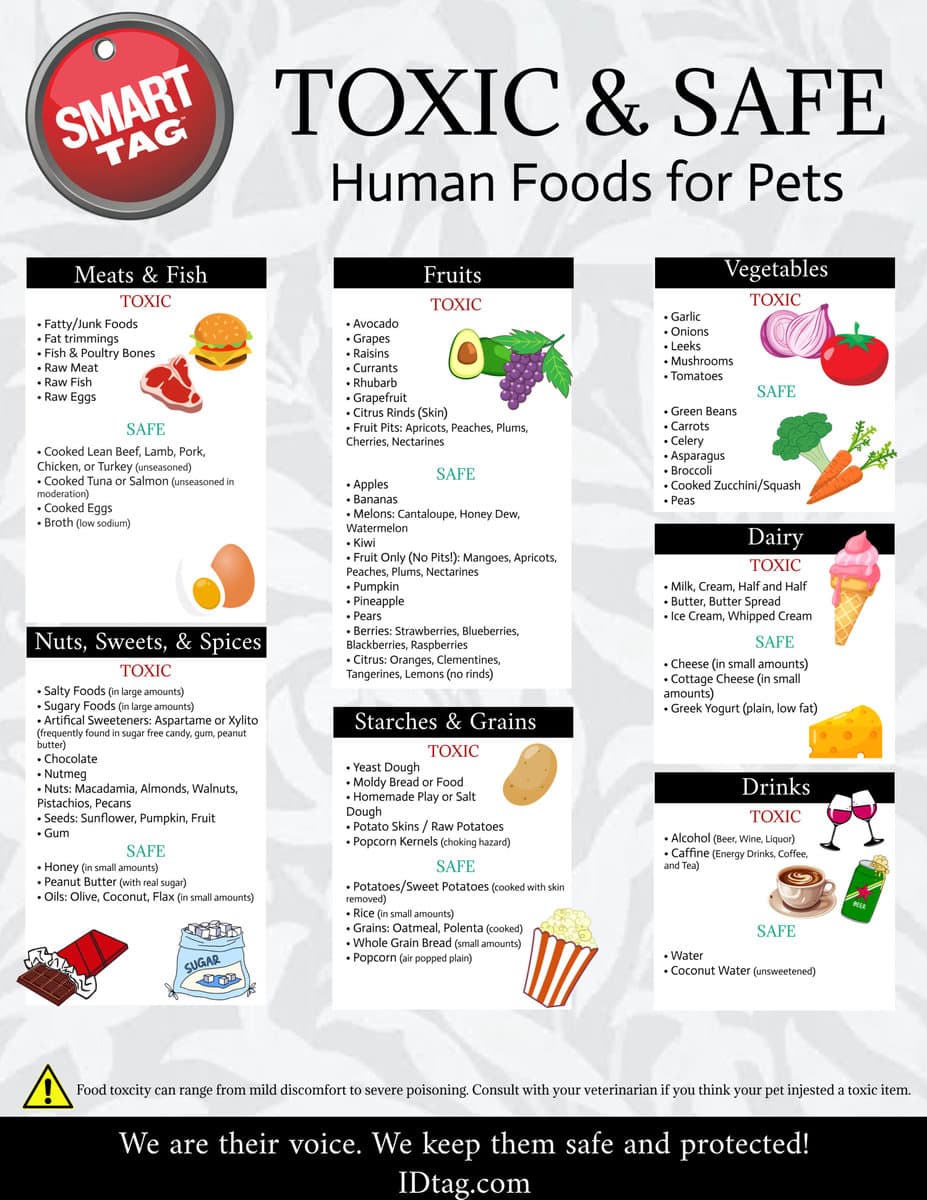
Bringing a new furry friend into your home is an exciting time, but it’s crucial to understand that not all human foods are safe for your beloved cats and dogs. Ingesting certain items can lead to serious health issues, ranging from gastrointestinal upset to life-threatening conditions. This guide outlines common human foods that should be strictly avoided to ensure your pet’s safety and well-being.
Foods That Are Dangerous for Pets
Many everyday human foods can be harmful, and even fatal, to cats and dogs due to their unique physiology. It’s essential for pet owners to be aware of these risks to prevent accidental poisoning.
Alcohol
Alcoholic beverages and foods containing alcohol can have a devastating effect on pets. Even small amounts can lead to intoxication, causing gastrointestinal irritation, respiratory distress, and in severe cases, coma or death. Unlike humans, cats and dogs metabolize alcohol much slower, making them far more susceptible to its toxic effects.
Avocado
All parts of the avocado plant, including the fruit, pit, seeds, leaves, and stem, contain a toxin called persin. While some animals may be more resistant to persin than others, ingestion by cats and dogs can cause significant gastrointestinal irritation, leading to vomiting and diarrhea. In severe cases, it can result in respiratory distress, congestion, and fluid buildup around the heart, which can be fatal.
Chocolate
Chocolate is a well-known toxin for pets due to the presence of theobromine, a methylxanthine. The severity of theobromine toxicity depends on the size of the pet, the amount consumed, and the type of chocolate. Darker chocolates and baking chocolate contain higher concentrations of theobromine and are therefore more dangerous than milk chocolate. White chocolate has the lowest concentration. Symptoms of chocolate poisoning include restlessness, hyperactivity, vomiting, diarrhea, increased thirst and urination, rapid heart rate, tremors, and seizures.
Coffee, Tea, and Other Caffeine Products
Caffeine is a stimulant that can be dangerous for cats and dogs. In sufficient doses, it can be fatal, and there is no specific antidote. Symptoms of caffeine poisoning mimic those of theobromine toxicity, including restlessness, rapid breathing, heart palpitations, and muscle tremors. Pet owners should be vigilant about keeping coffee grounds, tea bags, and caffeinated beverages out of reach.
Cooked Bones
While dogs, in particular, may be tempted by bones, cooked bones pose a significant risk. Unlike raw bones, cooked bones become brittle and can splinter easily. These sharp fragments can cause severe gastrointestinal obstruction or lacerations as they pass through the digestive tract, often requiring emergency surgery.
Fat Trimmings
Both cooked and uncooked fat trimmings from meat can cause significant digestive upset in pets. Ingesting these fatty substances can lead to vomiting and diarrhea, and in some cases, can trigger a painful condition called pancreatitis, which is inflammation of the pancreas.
Grapes, Raisins, Sultanas, and Currants
These fruits, despite their small size, are highly toxic to cats and dogs. The exact toxic substance remains unknown, but even small amounts can lead to acute kidney failure. Therefore, it is crucial to ensure that no pet has access to these fruits, whether fresh or dried, as part of any human food.
Onions, Garlic, and Chives
Onions, garlic, chives, and other plants in the Allium family contain compounds that can damage red blood cells in cats and dogs, leading to a form of anemia. While garlic and chives contain these substances in lesser amounts, all are considered toxic. Symptoms may not appear immediately but can develop over several days.
Salt
While a small amount of salt is usually not harmful, large quantities can cause excessive thirst and urination, and in severe cases, lead to sodium ion poisoning. Signs of salt toxicity include depression, tremors, elevated body temperature, and seizures. Pet owners should be mindful of salty snacks and table scraps.
Tomatoes and Potatoes
Green tomatoes and potato plants (leaves and stems) contain solanine, a substance that can cause severe gastrointestinal distress in pets. While ripe tomatoes are generally considered safe in moderation, it is best to avoid feeding them to your pets to prevent any potential issues. Similarly, uncooked potatoes can be problematic.
Xylitol (Artificial Sweetener)
Xylitol is a sugar-free sweetener commonly found in candy, gum, toothpaste, baked goods, and some diet foods. It is extremely toxic to cats and dogs. Xylitol causes a rapid release of insulin, which can lead to a sudden and dangerous drop in blood sugar levels (hypoglycemia). Initial signs of xylitol toxicity include vomiting, lethargy, and loss of coordination, which can quickly progress to liver failure.
Yeast Dough
Raw yeast dough can be dangerous for pets. As the yeast ferments in the warm, moist environment of a pet’s stomach, it produces ethanol and carbon dioxide gas. This can cause painful bloating and distention, potentially leading to a life-threatening condition called gastric dilatation-volvulus (GDV), where the stomach twists. The rising dough can also cause alcohol poisoning due to ethanol production. The risk decreases once the dough is cooked.
Ensuring your pet’s diet consists of species-appropriate food is paramount for their long-term health. Always consult with your veterinarian if you have any concerns about your pet’s diet or if you suspect they may have ingested a toxic substance. What human food is good for dogs to eat can offer some safer alternatives, but caution is always advised.
References
The information on this page was gathered from:
