
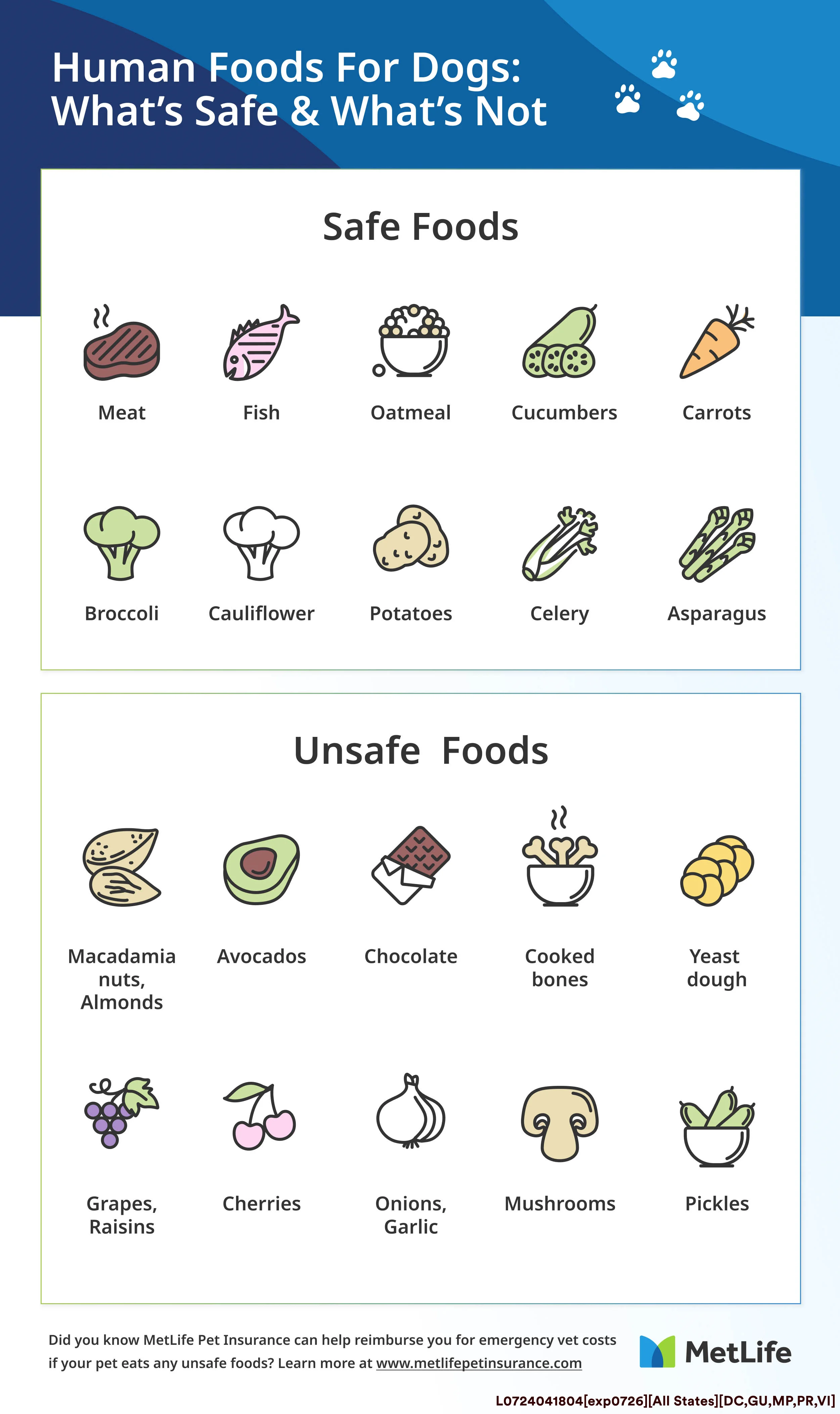
It’s a common scenario: your dog looks at you with those big, pleading eyes as you enjoy your meal, making you want to share a bite. However, not all human foods are safe or beneficial for dogs. Understanding which foods are safe and which pose significant risks is crucial for your dog’s well-being. This guide provides a comprehensive breakdown of human foods suitable for dogs, including those that can be enjoyed in moderation and those that should be completely avoided. With this knowledge, you’ll be better equipped to handle those tempting puppy-dog eyes.
Foods Your Dog Can Safely Eat
The following human foods are not only non-toxic to dogs but also offer nutritional benefits when given in appropriate quantities.
1. Carrots
Carrots are a nutritious and enjoyable treat for dogs. They are rich in beta-carotene, which the body converts to Vitamin A, and their crunchy texture can help reduce plaque buildup, contributing to better dental health. It’s important to cut carrots into pieces suitable for your dog’s size to prevent choking hazards.
2. Blueberries
Often considered a superfood, blueberries are packed with antioxidants and fiber. These berries can bolster your dog’s immune system and may help reduce the risk of age-related health issues.
3. Salmon
Cooked, unseasoned salmon is an excellent source of omega-3 fatty acids, which promote healthy skin, a shiny coat, and support joint health. Always ensure salmon is cooked thoroughly and contains no added seasonings, which can be harmful to dogs.
4. Unsalted Peanut Butter
Peanut butter is a favorite for many dogs and provides a good source of protein and healthy fats. Opt for unsalted and unflavored varieties, and critically, ensure it does not contain xylitol, an artificial sweetener that is highly toxic to dogs. Always check the ingredients to avoid this dangerous additive. what can i give my dog to make her eat
5. Eggs
Cooked eggs are a simple yet nutrient-dense snack, offering valuable protein and essential amino acids. To avoid the risk of Salmonella, never feed your dog raw eggs.
6. Seedless Watermelon
Watermelon is a hydrating fruit filled with essential vitamins like A and C. Remember to remove all seeds and the rind before serving, as these can be choking hazards or cause intestinal blockages.
7. Shrimp
When cooked and served without the tail, shrimp is a safe and beneficial seafood option for dogs. It is high in protein and antioxidants. Similar to salmon, ensure shrimp is unseasoned and offered only occasionally.
8. Apples
Apples are a good source of vitamins and make for a healthy treat. However, they should be fed in small pieces. We have seen instances where apple pieces have become lodged in a dog’s esophagus, so careful portioning and cutting are essential. what foods can you give your dog
9. Green Beans
Green beans, whether raw or cooked, are a healthy, low-calorie option for dogs, providing vitamins, minerals, and fiber. Ensure they are plain and unseasoned, free from salt, garlic, butter, or onions.
10. Sweet Potatoes and Canned Pumpkin
Both sweet potatoes and plain canned pumpkin are excellent sources of dietary fiber, which aids in healthy digestion, and essential minerals. Ensure that if using pumpkin, it is 100% pure pumpkin and not pumpkin pie filling, which often contains spices and sugars harmful to dogs.
While these foods are generally safe for dogs, it’s always wise to monitor your pet for any adverse reactions after introducing new foods into their diet.
Foods to Offer in Moderation
Some human foods are safe for dogs in small, infrequent amounts. These can be healthy additions to their diet but should not form a significant part of their meals.
- Lean Meats: Cooked lean meats like chicken, beef, and turkey (without bones, skin, or excessive fat) can be offered occasionally. Remove any seasoning before serving.
- Yogurt: Plain, unsweetened yogurt with active cultures can be beneficial for a dog’s digestive health due to probiotics. Ensure it does not contain xylitol.
- Cheese: Small amounts of low-fat cheese can be a high-value treat for some dogs. Avoid processed cheeses or those high in lactose, as they can cause digestive upset.
- Peanut Butter (Salted): While unsalted is preferred, small amounts of regular peanut butter (without xylitol) are generally safe. The added salt, however, means it should be given less frequently.
Foods to Strictly Avoid
Certain human foods contain substances that are toxic or harmful to dogs, even in small quantities. It’s vital to keep these out of your dog’s reach.
- Chocolate: Contains theobromine, which is toxic to dogs and can cause vomiting, diarrhea, tremors, seizures, and even death. Dark chocolate and baking chocolate are particularly dangerous.
- Grapes and Raisins: Can cause kidney failure in dogs. The exact toxic substance is unknown, but even a small amount can be devastating.
- Onions, Garlic, Chives, and Leeks: These allium vegetables can damage a dog’s red blood cells, leading to anemia. Garlic is generally considered more potent than onions.
- Alcohol: Can cause intoxication, vomiting, diarrhea, coordination loss, breathing problems, coma, and death.
- Avocado: Contains persin, which can cause vomiting and diarrhea in dogs. The pit is also a choking hazard.
- Macadamia Nuts: Can cause weakness, tremors, vomiting, and hyperthermia.
- Xylitol: This artificial sweetener, often found in sugar-free gum, candy, baked goods, and some peanut butters, is extremely toxic to dogs. It can cause a rapid drop in blood sugar and liver failure. what can you give your dog to stop eating poop
- Cooked Bones: Can splinter easily, causing choking, internal lacerations, or blockages in the digestive tract.
- Fatty Foods: Foods high in fat, like bacon or fried foods, can lead to pancreatitis, a serious and painful inflammation of the pancreas.
- Salty Foods: Excessive salt intake can lead to dehydration and sodium ion poisoning.
Understanding these guidelines will help you keep your canine companion safe and healthy. When in doubt, always consult your veterinarian about whether a specific human food is appropriate for your dog. what should i not feed my puppy, what foods must dogs never eat
References:
- American Society for the Prevention of Cruelty to Animals (ASPCA) Animal Poison Control Center.
- Veterinary Partner.
