
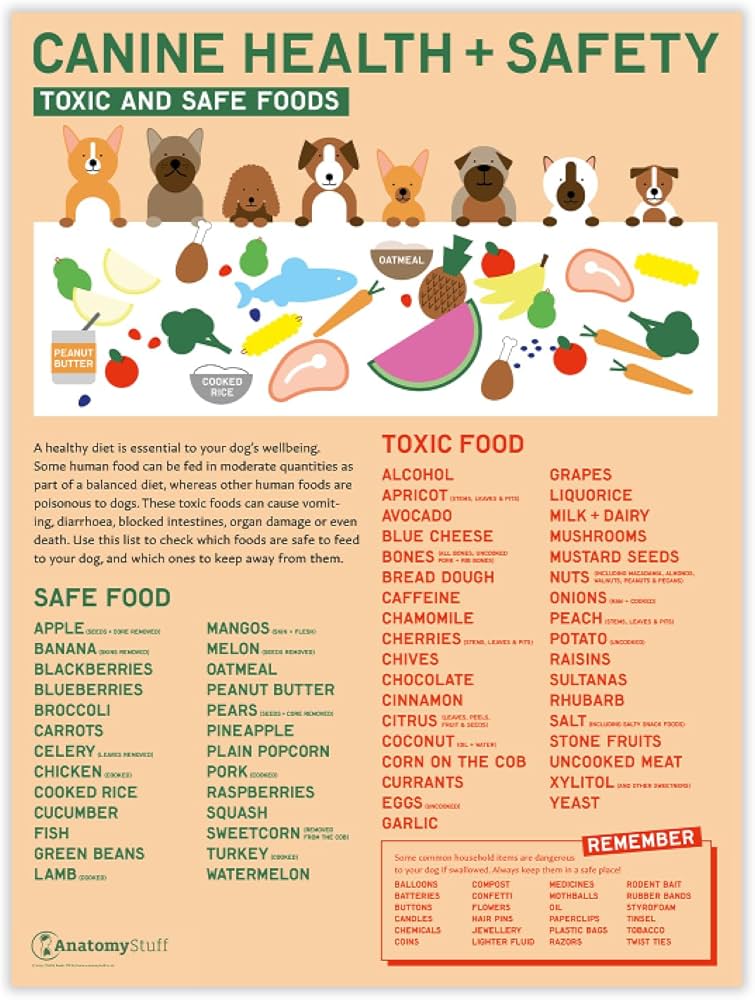
Welcoming a pet into your home is a joyous occasion, and ensuring their health and safety is paramount. While many human foods are safe for our furry companions, some can be surprisingly toxic. This guide, compiled with insights from ASPCA Poison Control, outlines common foods that should be kept away from your pets to prevent serious health issues. If you suspect your pet has ingested any of these items, contact your veterinarian or ASPCA Poison Control immediately at (888) 426-4435.
Understanding Pet Food Toxicity
Pets, like humans, can suffer from adverse reactions to certain foods. These reactions can range from mild digestive upset to life-threatening emergencies. The key is to be aware of what constitutes a danger and to act swiftly if an ingestion occurs.
Specific Foods and Their Risks
Alcohol and Yeast Dough
Alcoholic beverages can lead to a range of severe symptoms in pets, including vomiting, diarrhea, disorientation, breathing difficulties, tremors, and even coma or death. Due to rapid absorption, immediate veterinary attention is crucial.
Yeast dough presents a dual threat. As the yeast ferments and rises in the digestive system, it can cause painful bloating and potentially a life-threatening stomach twist. Furthermore, the fermentation process produces alcohol, leading to potential alcohol toxicity.
Chocolate, Coffee, and Caffeine
These items contain methylxanthines, which are toxic to pets. Ingestion can cause vomiting, diarrhea, panting, excessive thirst and urination, hyperactivity, abnormal heart rhythms, tremors, and seizures. The risk is significantly higher with darker chocolates (like baking chocolate and cocoa powder) due to their higher cacao content, while white chocolate poses the least risk.
Fruits and Vegetables
- Avocado: Primarily a concern for birds, rabbits, and equines, avocado can cause cardiovascular damage and even death. Ingesting avocado can also lead to swelling in the head and neck.
- Citrus: While small amounts of citrus fruit are unlikely to cause significant issues beyond minor stomach upset, the stems, leaves, peels, and seeds contain citric acid and essential oils that can be irritating or cause depression in larger quantities.
- Grapes and Raisins: The exact toxic component is unknown, but grapes and raisins can lead to kidney damage in dogs due to their inability to process certain compounds.
- Onion, Garlic, and Chives: These members of the Allium species can irritate the gastrointestinal tract and damage red blood cells, leading to anemia. Cats are more susceptible, but dogs are also at risk.
Milk and Dairy Products
Most pets lack sufficient lactase, the enzyme needed to digest lactose. Consuming milk and other dairy products can therefore lead to diarrhea and other digestive disturbances.
Nuts and Fatty Foods
- Macadamia Nuts: These nuts can cause weakness, incoordination, depression, vomiting, tremors, and hyperthermia in dogs, with symptoms typically appearing within 12 hours and resolving within 24-72 hours.
- Other Nuts: Almonds, pecans, and walnuts are high in oils and fats, which can trigger vomiting, diarrhea, and potentially pancreatitis.
- Coconut and Coconut Oil: While small amounts may not cause serious harm, the oils in fresh coconut flesh and milk can lead to stomach upset, loose stools, and diarrhea.
Raw or Undercooked Meats, Eggs, and Bones
Feeding pets raw meat or eggs poses a risk of Salmonella and E. coli contamination, which can affect both pets and humans. Raw eggs also contain an enzyme that can hinder the absorption of certain vitamins, potentially causing skin and coat problems. While feeding raw bones might seem natural, they can cause serious internal injuries, obstructions, and require surgery.
Sweet and Salty Foods
- Xylitol: This artificial sweetener, found in gum, candy, baked goods, and toothpaste, is highly toxic to pets. It can cause a rapid drop in blood sugar (hypoglycemia) and liver damage. Initial signs include vomiting, lethargy, and loss of coordination, progressing to seizures. Liver damage can manifest within 12-24 hours, potentially leading to abnormal bleeding.
- Salt and Excessively Salty Foods: High salt intake can lead to increased thirst and urination, electrolyte imbalances, vomiting, diarrhea, tremors, seizures, and even death in pets.
When to Seek Veterinary Help
If you suspect your pet has ingested any of the foods listed above, it’s crucial to act quickly. Note the approximate amount ingested and contact your veterinarian or the ASPCA Poison Control Center immediately. Early intervention can significantly improve the outcome and prevent severe health complications. Remember, a proactive approach to your pet’s diet is the best way to ensure their long-term health and happiness.
