
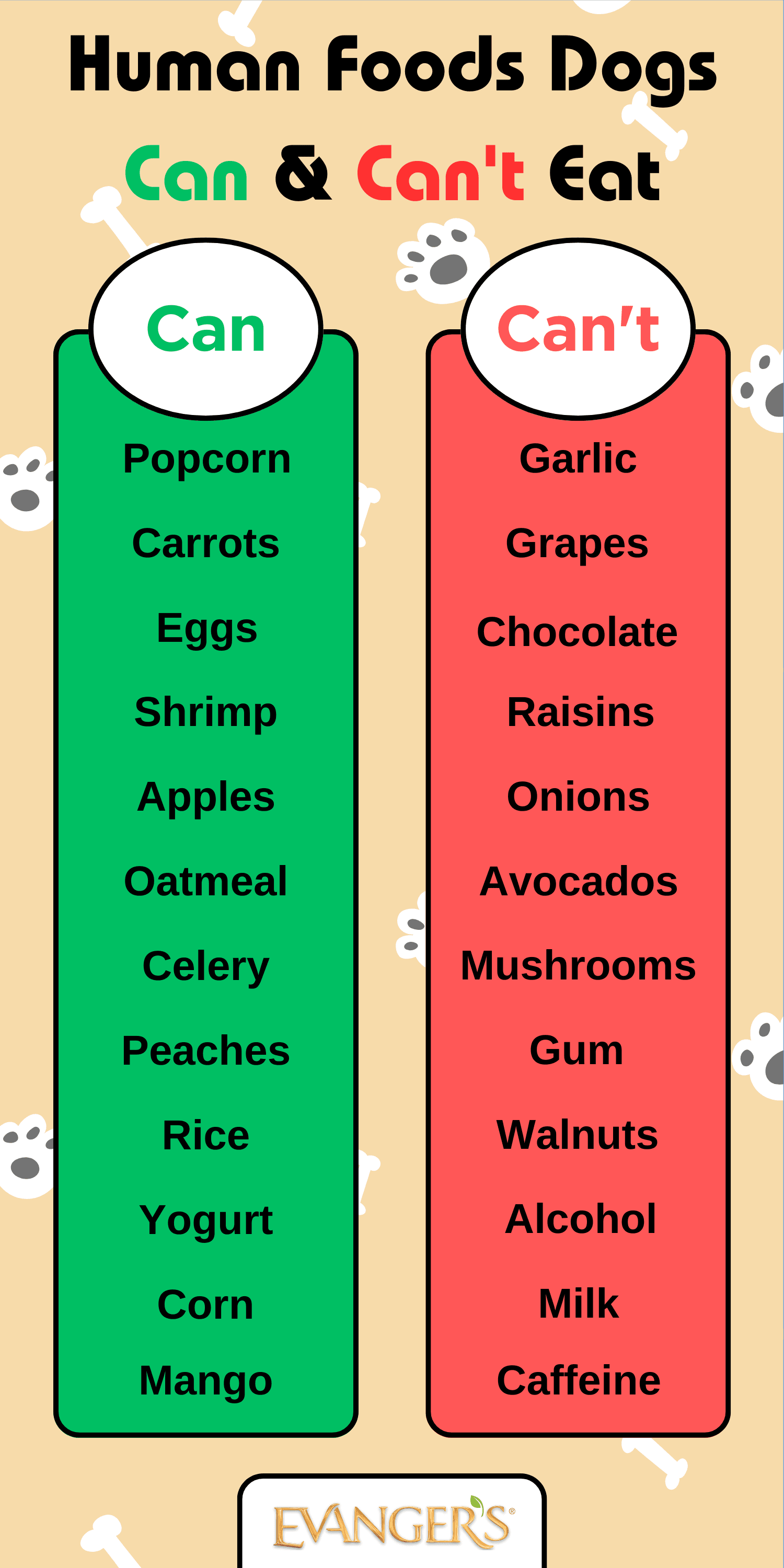
As responsible pet owners, understanding the nuances of what our canine companions can and cannot safely consume from the human table is paramount. While many common household foods pose significant risks, even toxic threats, to dogs, a select few are perfectly safe and can even offer health benefits. This guide serves as an essential resource to help you differentiate between safe and dangerous human foods for your furry friend, preventing potential pet poisonings and ensuring their well-being.
The difference in canine digestion and metabolism compared to humans is the primary reason certain foods are toxic to dogs. For instance, dogs process theobromine and caffeine in chocolate much slower than humans, leading to a rapid and potentially fatal buildup in their systems. Similarly, while cherries are safe for us, their pits, stems, and leaves contain cyanide, and the pits themselves can cause digestive upset. Factors such as a dog’s size, breed, and overall health condition can also influence their susceptibility to food toxicity. It’s always advisable to consult with your veterinarian if you have any specific concerns about your dog’s diet.
Foods to Absolutely Avoid Feeding Your Dog
Many everyday foods can be harmful, and even toxic, to dogs. It is crucial to be aware of these items to prevent accidental ingestion. The following list, while not exhaustive, covers some of the most common and dangerous human foods for dogs:
1. Alcohol
Alcoholic beverages, even in small quantities, can have a severe and potentially deadly effect on dogs due to their smaller size. Symptoms can mimic those in humans and include vomiting, breathing difficulties, coma, and even death.
2. Apple, Apricot, Cherry, and Plum Seeds/Pits
While the flesh of apples is safe, their seeds and cores contain cyanide. Similarly, the pits of apricots, cherries, and plums also contain cyanide and can cause severe health issues, including vomiting, rapid heartbeat, seizures, and potentially death, due to their impact on oxygen transport. The pits can also cause gastrointestinal obstruction.
3. Avocado
Avocados contain persin, which can cause vomiting and diarrhea in dogs. Additionally, the large pit can pose a choking hazard or lead to gastrointestinal obstruction.
4. Broccoli
In large quantities, broccoli can be harmful due to isothiocyanates. While small amounts might be acceptable occasionally, it’s generally safer to avoid it, especially the stalks which can be a choking hazard.
5. Caffeine and Coffee Grounds
Caffeine, found in coffee, tea, and soda, contains methylxanthines that can lead to vomiting, diarrhea, seizures, and heart rhythm abnormalities. Ingesting coffee grounds or beans can be particularly dangerous.
6. Fatty Cuts of Meat, Chicken, and Turkey Skin
High-fat foods like ham, chicken skin, and turkey skin can trigger acute pancreatitis, a serious and potentially life-threatening condition in dogs. Bones from poultry, like turkey and chicken, can splinter and cause internal damage or obstructions.
7. Chocolate
Chocolate is highly toxic to dogs due to theobromine and caffeine. Dark chocolate and baker’s chocolate are the most dangerous. Symptoms range from hyperactivity and vomiting to seizures and heart problems. Immediate veterinary attention is crucial if chocolate is ingested.
8. Grapes and Raisins
Grapes and raisins are known to cause kidney failure in dogs. The exact toxic substance is unknown, but even small amounts can be devastating. Signs of poisoning include vomiting, diarrhea, loss of appetite, and changes in urination.
9. Macadamia Nuts, Almonds, and Pistachios
Macadamia nuts are particularly toxic, causing weakness, vomiting, and tremors. While other nuts like almonds and pistachios may not be as acutely toxic, they pose choking hazards and can be problematic if salted or spiced.
10. Milk and Dairy Products
Many dogs are lactose intolerant and can experience digestive upset, such as gas and diarrhea, from milk and dairy products. While small amounts of low-fat cheese might be acceptable for some, it’s best to be cautious.
11. Mushrooms
Wild mushrooms can be highly toxic, leading to kidney and liver failure, vomiting, diarrhea, and other severe symptoms. It is safest to avoid feeding your dog any type of mushroom.
12. Nutmeg and Cinnamon
Nutmeg contains myristicin, which can cause hallucinations and severe vomiting in dogs. Cinnamon, while not toxic, can irritate a dog’s mouth and may lead to low blood sugar.
13. Onions, Garlic, Chives, and Leeks
These allium family members contain compounds that can damage a dog’s red blood cells, leading to anemia. Even powdered forms found in many processed foods can be harmful. Some Japanese breeds are particularly sensitive.
14. Salt
Excessive salt intake can disrupt a dog’s fluid balance, leading to tremors, seizures, diarrhea, and even coma. Avoid salty snacks, processed foods, and homemade playdough.
15. Spicy Food
Spicy foods can cause significant gastrointestinal distress in dogs, including vomiting, stomach ulcers, and diarrhea.
16. Sugar-Free Gum and Candy (Xylitol)
Xylitol, an artificial sweetener found in many sugar-free products, is extremely toxic to dogs. It can cause a rapid drop in blood sugar, leading to seizures, liver failure, and potentially death. Even a small amount can be fatal for a 65-pound dog.
17. Tomatoes and Raw Potatoes
The green parts of tomato plants and unripe tomatoes contain solanine, which is toxic to dogs. Raw potatoes also contain solanine. While cooked potatoes and ripe tomatoes are generally safe in moderation, it’s best to avoid the plant parts and raw forms.
18. Tobacco
Nicotine in tobacco products is highly toxic to dogs, causing vomiting, diarrhea, rapid breathing, seizures, and potentially coma and death. Accidental ingestion of cigarette butts or other tobacco products requires immediate veterinary attention.
19. Yeast and Raw Dough
Raw dough containing yeast can expand in a dog’s stomach, causing severe pain and potentially life-threatening bloat or rupture. The fermentation process also produces alcohol, leading to alcohol poisoning.
20. Raw Meat
Feeding raw or undercooked meat to dogs poses a risk of Salmonella and E. coli infections. Bones in raw meat can also be a choking hazard or cause internal injuries.
21. Rhubarb
Rhubarb leaves contain soluble calcium oxalate crystals, which can lead to a dangerous drop in calcium levels, potentially causing kidney failure, tremors, and vomiting.
22. Star Fruit
Similar to rhubarb, star fruit also contains soluble calcium oxalate crystals and should be avoided.
23. Flavored and Seltzer Water
While plain water is essential, flavored or carbonated waters may contain artificial sweeteners, salt, or sugar that can be harmful to dogs. It’s best to stick to fresh, clean water.
Safe Human Foods for Your Canine Companion
While the list of hazardous foods is extensive, there are many safe and even healthy human foods your dog can enjoy in moderation. Always introduce new foods gradually and observe your dog for any adverse reactions.
1. Apples, Oranges, and Bananas
The fleshy part of apples (without core and seeds) is safe and provides fiber and vitamins. Oranges and bananas (peeled) can also be given in small quantities as occasional treats.
2. Blueberries and Blackberries
These berries are packed with antioxidants, fiber, and vitamins, making them a healthy and tasty treat for dogs.
3. Cantaloupe, Mango, Peaches, Pears, Pineapples, and Watermelons
These fruits are safe when seeds, pits, and rinds are removed. Watermelon, in particular, is hydrating due to its high water content.
4. Carrots, Cucumber, and Celery
These low-calorie vegetables are excellent choices, especially for overweight dogs. Carrots provide a satisfying crunch, while celery can help freshen breath. Cucumbers offer vitamins and minerals with minimal carbohydrates.
5. Cheese
Small amounts of low-fat cheese can be a safe treat for dogs who are not lactose intolerant. Avoid high-fat varieties and consult your vet for recommendations.
6. Eggs
Fully cooked eggs are a safe and nutritious source of protein for dogs. Scrambled eggs can be particularly soothing for an upset stomach.
7. Peanuts, Peanut Butter, and Cashews
In moderation, unsalted, unflavored peanuts, peanut butter (xylitol-free), and cashews can be given. Their high fat content means they should be an occasional treat.
8. Popcorn and Corn
Plain, air-popped popcorn (unsalted, unbuttered, and without kernels) and corn kernels (off the cob) can be given as treats.
9. Coconut and Honey
Small amounts of coconut meat, milk, or oil can be beneficial. Honey, in moderation, provides vitamins and minerals. Avoid coconut water and the shell.
10. Shrimp and Fish
Plain, fully cooked shrimp (de-shelled and de-veined) and certain cooked fish like salmon and sardines (boneless, plain) are safe options. Limit fish consumption to twice a week. Plain, canned tuna packed in water is also acceptable in moderation.
11. Turkey
Plain, cooked turkey meat (without skin, fat, or bones) is a healthy protein source. Avoid seasoned or salted preparations.
12. Grains, Wheat, and Quinoa
Small amounts of cooked grains like wheat and quinoa are generally safe and can be part of a balanced diet, provided your dog doesn’t have sensitivities.
13. Green Beans
Steamed, raw, or canned (plain, no salt or spices) green beans are a healthy and safe treat for dogs. Cut them into bite-sized pieces to prevent choking.
Factors Increasing Risk for Toxic Food Consumption
While all dogs should be protected from toxic foods, certain groups are more vulnerable:
- Small Breeds: Their lower body weight makes them more susceptible to the toxic effects of substances like chocolate.
- Puppies: Their developing digestive and immune systems are less equipped to handle toxins.
- Elderly Dogs: Pre-existing health conditions can increase their risk.
- Dogs with Pre-existing Conditions: Conditions like diabetes or kidney disease can make dogs more susceptible to severe reactions.
Preventing Your Dog from Eating Toxic Foods
Proactive measures can significantly reduce the risk of your dog ingesting harmful human foods:
- Secure Storage: Keep all toxic foods out of your dog’s reach, preferably in cabinets or on high shelves.
- Avoid Direct Feeding: Never feed your dog directly from your plate or during meal preparation. Offer only dog-specific treats.
- Educate Household Members and Guests: Ensure everyone in your home understands which foods are dangerous for your dog and refrain from sharing human food.
- Holiday Vigilance: Be especially cautious during holidays when food is more accessible and your attention might be divided.
What to Do If Your Dog Eats Something Toxic
Immediate action is critical if you suspect your dog has ingested a toxic food:
- Contact Professionals Immediately: Call your veterinarian or an animal poison control center without delay. Prompt treatment significantly improves outcomes.
- Provide Essential Information: Be ready to share details about the ingested food, the approximate quantity, and the time of consumption.
- Follow Professional Advice: Do not attempt home remedies unless explicitly advised by a veterinarian, as some actions, like inducing vomiting, can be harmful in certain situations.
Ensuring Your Dog’s Safety with Pets Best
Navigating the complexities of pet safety, from household toxins to dangerous foods, requires constant vigilance. By arming yourself with knowledge and taking preventative measures, you can help safeguard your beloved canine companion. If you ever have doubts about a food’s safety, always consult your veterinarian. Pet insurance, like plans offered by Pets Best, can provide a crucial safety net for unexpected situations, including those arising from accidental ingestion of toxic substances. Their customizable plans and 24/7 Pet Helpline offer invaluable support for concerned pet owners.
