
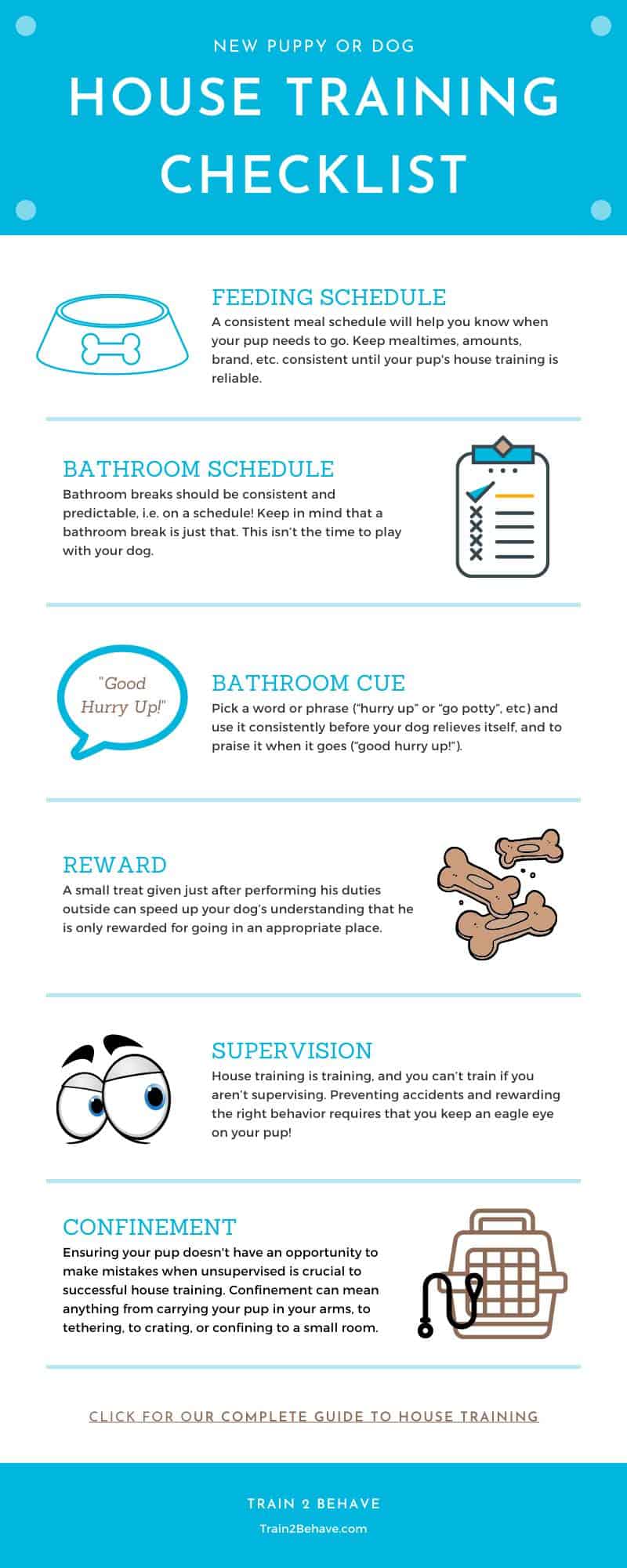
Welcoming a new dog into your home is an exciting journey, and one of the first major milestones is achieving house training. But what exactly does it mean for a dog to be “house trained”? It’s more than just preventing accidents; it’s about establishing a clear understanding between you and your canine companion regarding appropriate elimination behaviors within your living space. A house-trained dog consistently eliminates in a designated outdoor area or a specific indoor spot, demonstrating control over their bodily functions and respecting household rules. This process requires patience, consistency, and a deep understanding of your dog’s needs and communication signals. It’s a foundational aspect of responsible dog ownership that paves the way for a harmonious life together, fostering trust and reducing stress for both pet and owner.
Understanding the Core Concept of House Training
At its heart, house training is about teaching your dog where it’s acceptable to relieve themselves. This typically means outdoors, in a designated spot in the yard or during walks. However, for smaller dogs or in specific circumstances, some owners may opt for indoor solutions like puppy pads or dog litter boxes. Regardless of the chosen method, the goal is to prevent accidents inside the home and create a predictable routine for elimination. This involves recognizing your dog’s cues, such as circling, sniffing intently, whining, or pacing, which often signal the need to go. Proactive management, including frequent potty breaks, especially after waking up, after meals, and after playtime, is crucial in the early stages.
The Role of Consistency and Routine
Consistency is the undisputed champion in successful house training. Establishing a predictable schedule for feeding, potty breaks, and playtime helps your dog understand expectations. Dogs thrive on routine, and a regular pattern aids in developing bladder and bowel control. Taking your dog to the designated potty spot at the same times each day, praising and rewarding them immediately after they eliminate successfully, reinforces the desired behavior. Avoid punishing accidents, as this can create fear and anxiety, making your dog more likely to hide when they need to go, thus hindering the training process. Instead, focus on positive reinforcement for successes.
Positive Reinforcement: The Key to Success
Positive reinforcement is the most effective and humane method for house training. This involves rewarding your dog with high-value treats, enthusiastic praise, or a favorite toy immediately after they eliminate in the correct spot. Timing is critical; the reward must be given within seconds of them finishing to create a clear association between the action and the positive outcome. This method not only speeds up the learning process but also strengthens the bond between you and your dog, making training a positive and enjoyable experience for both.
Common Challenges and Solutions in House Training
Despite best efforts, house training can present challenges. One common issue is regression, where a previously house-trained dog begins having accidents again. This can be due to changes in routine, stress, underlying medical conditions, or insufficient reinforcement. If regression occurs, it’s important to revisit the basics: increase the frequency of potty breaks, use higher-value rewards, and ensure there are no underlying health issues by consulting a veterinarian.
Addressing Accidents Effectively
When accidents happen, it’s important to react calmly. Do not scold or punish your dog, especially if you didn’t catch them in the act. Punishment after the fact will only confuse and frighten them. Instead, clean the area thoroughly with an enzymatic cleaner specifically designed to eliminate pet odors. Regular cleaners may mask the smell for humans but not for dogs, encouraging them to revisit the same spot. If you catch your dog in the act, interrupt them with a clap or a gentle sound, immediately take them outside to their designated spot, and praise them if they finish there.
Dealing with Specific Behaviors
Some dogs may exhibit specific elimination behaviors that need addressing. Submissive urination, where a dog urinates when greeted or when feeling anxious, is common in puppies and timid dogs. This usually improves with age and confidence-building exercises. Excitement urination, often seen in young dogs during moments of high arousal, can also be managed with consistent training and by managing the dog’s excitement levels. Another behavior is marking, where dogs urinate small amounts to signal territory. This is more common in intact males but can occur in females and neutered dogs too. Consistent cleaning, neutering (if applicable), and reinforcing appropriate elimination habits are key to managing marking.
Beyond the Basics: Ensuring Long-Term Success
House training is not a one-time event but an ongoing process that solidifies over time. As your dog matures, their control will improve, but maintaining consistency in routine and reinforcement remains important. Understanding your dog’s individual personality and learning style will help you tailor your approach. Some dogs may be quicker learners, while others require more time and repetition.
The Importance of Veterinary Check-ups
Regular veterinary check-ups are crucial for house-trained dogs. Sudden changes in elimination habits, such as increased frequency, accidents after being reliably trained, or difficulty urinating, can signal underlying medical issues like urinary tract infections, kidney problems, or diabetes. Your veterinarian can rule out or diagnose any health concerns and recommend appropriate treatment, ensuring your dog’s overall well-being.
Advanced Training and Beyond
Once house training is established, you can move on to more advanced training, such as teaching your dog to signal when they need to go out. This can be done by teaching them to ring a bell attached to the door or to scratch at the door. This further enhances communication and prevents potential accidents. Remember, the ultimate goal of house training is to build a strong, trusting relationship with your dog, making them a well-behaved and cherished member of your family. The journey of house training a dog is a testament to the dedication and love shared between humans and their canine companions. It’s a fundamental step in ensuring a happy and harmonious life together, filled with wagging tails and fewer accidents.
