
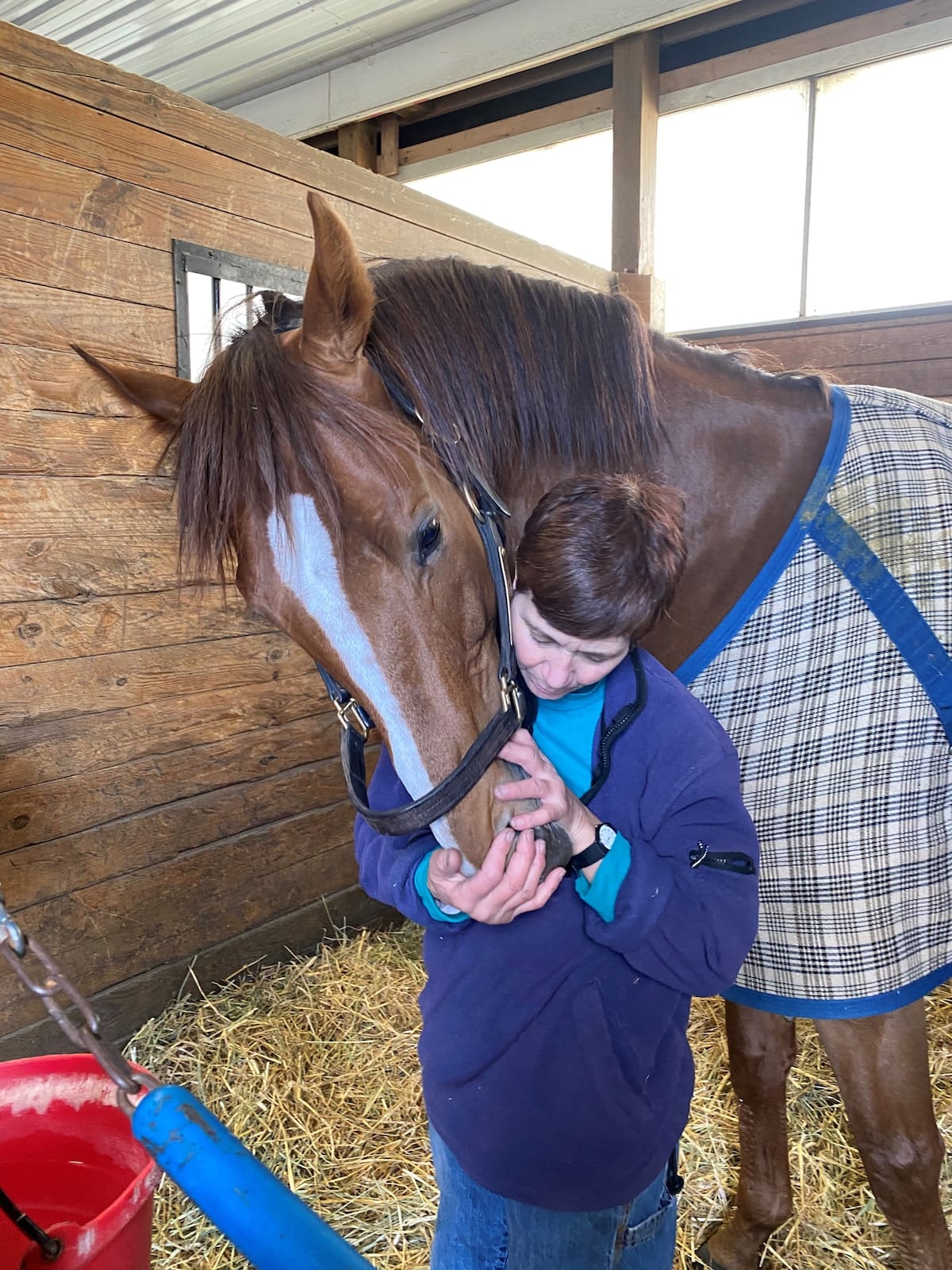
A racehorse trainer is much more than just someone who gallops horses. They are the architects of a racehorse’s career, meticulously crafting a program that balances peak physical conditioning with mental sharpness. This demanding role requires a deep understanding of equine physiology, behavior, and the intricate world of horse racing. The ultimate goal? To prepare a horse to perform at its absolute best on race day, maximizing its potential and ensuring its well-being throughout its racing life. It’s a profession steeped in tradition, yet constantly evolving with scientific advancements in training and veterinary care.
The Daily Grind: A Trainer’s Routine
The life of a racehorse trainer is a demanding one, often starting before dawn and continuing well into the evening. It’s a hands-on profession where every day presents new challenges and requires constant vigilance.
Morning Workouts
Mornings are typically dedicated to the horses’ exercise. This isn’t just about running them; it’s a carefully orchestrated process. Trainers will oversee a variety of training methods, depending on the horse’s age, fitness level, and upcoming race schedule. This can include:
- Galloping: The most common form of exercise, where horses are ridden at a fast pace to build stamina and speed.
- Gate Work: Practicing breaking from the starting gate to ensure a quick and clean departure.
- Breezes: Shorter, intense bursts of speed designed to sharpen the horse’s agility and finishing kick.
- Jogging and Walking: Essential for warm-ups, cool-downs, and recovery days, promoting circulation and preventing stiffness.
During these workouts, trainers are observing every subtle cue: a horse’s stride, its breathing, its attitude. Any sign of lameness, fatigue, or a change in demeanor is noted and addressed immediately.
Feeding and Grooming
While dedicated staff often handle the day-to-day feeding and grooming, trainers play a crucial role in overseeing the nutritional aspects. They work closely with equine nutritionists to design diets tailored to each horse’s specific needs, ensuring they receive the right balance of calories, proteins, vitamins, and minerals. Grooming is also essential for a horse’s health and well-being, keeping their coats clean, checking for any skin issues, and providing a bonding opportunity.
Veterinary Care and Health Monitoring
A racehorse’s health is paramount. Trainers are in constant communication with veterinarians, monitoring their horses for any signs of illness or injury. This proactive approach includes:
- Regular Check-ups: Ensuring horses are up-to-date on vaccinations and deworming.
- Injury Prevention: Implementing training programs that minimize the risk of common racing injuries.
- Post-Injury Rehabilitation: Working with vets to develop and oversee recovery plans for injured horses.
This aspect of the job requires a keen eye for detail and a willingness to make difficult decisions regarding a horse’s health and future racing career.
Beyond the Track: Management and Strategy
A trainer’s responsibilities extend far beyond the physical conditioning of the horses. They are also managers, strategists, and marketers, all rolled into one.
Bloodstock Management
Trainers often advise owners on the selection of horses, whether at yearling sales or private purchases. They use their expertise to identify potential talent, considering factors like pedigree, conformation, and physical potential. This involves a deep understanding of [horse training online courses] and the various bloodlines that contribute to racing success.
Race Strategy and Handicapping
Choosing the right races for each horse is a critical part of a trainer’s job. This involves:
- Assessing Competition: Evaluating the strengths and weaknesses of potential rivals.
- Considering Conditions: Taking into account the track surface, distance, and weather.
- Handicapping: Understanding the weight and class assignments that affect a horse’s chances.
This strategic planning requires a thorough knowledge of the racing calendar and the nuances of different tracks and racing jurisdictions. Sometimes, trainers may need to navigate complex situations like those described in discussions about [abuse in horse racing], ensuring ethical practices are maintained.
Client Relations
Most racehorses are owned by individuals or syndicates. Trainers are responsible for keeping these owners informed about their horse’s progress, training schedule, and race plans. Building trust and maintaining clear communication are vital for successful owner-trainer relationships. This might involve discussions about local racing scenes, such as [horse racing aiken sc], and how a horse might fit into those events.
Financial Management
Trainers are responsible for managing the finances related to their stable, including training fees, veterinary bills, feed costs, and staff salaries. This requires a solid understanding of budgeting and financial planning.
Essential Skills for a Racehorse Trainer
Success in racehorse training requires a unique blend of skills, both innate and learned.
Deep Equine Knowledge
A profound understanding of horses – their anatomy, physiology, behavior, and psychology – is non-negotiable. This includes recognizing subtle signs of distress, illness, or fatigue.
Physical Fitness and Stamina
The job is physically demanding, requiring long hours and strenuous activity. Trainers need to be in good shape to keep up with the demands of the barn and the track.
Observational Skills
The ability to observe minute details is crucial. Noticing a slight alteration in a horse’s gait, a change in appetite, or a subtle behavioral shift can prevent serious issues down the line.
Communication Skills
Clear and effective communication is essential when working with owners, veterinarians, jockeys, and stable staff.
Decision-Making Ability
Trainers must make quick, informed decisions under pressure, whether it’s adjusting a training plan, choosing a race, or responding to a veterinary emergency.
Patience and Dedication
Training a racehorse is a marathon, not a sprint. It requires immense patience, perseverance, and unwavering dedication to the well-being and success of each animal. Some trainers, like [bret davis horse trainer] or [cian collins horse trainer], have built reputations on their sustained dedication and successful track records.
The Evolving Landscape of Horse Training
The field of racehorse training is constantly evolving. Scientific advancements in veterinary medicine, nutrition, and biomechanics are providing trainers with new tools and insights. For example, understanding the mechanics of a horse’s stride, as would be studied in [horse training online courses], can lead to more refined training techniques. Furthermore, there’s an increasing focus on the horse’s mental well-being, with trainers recognizing the importance of positive reinforcement and creating a low-stress environment.
The role of a racehorse trainer is multifaceted and deeply rewarding. It demands a unique combination of passion, knowledge, and hard work, all centered around the profound bond between human and horse, striving for excellence on the racetrack.
