
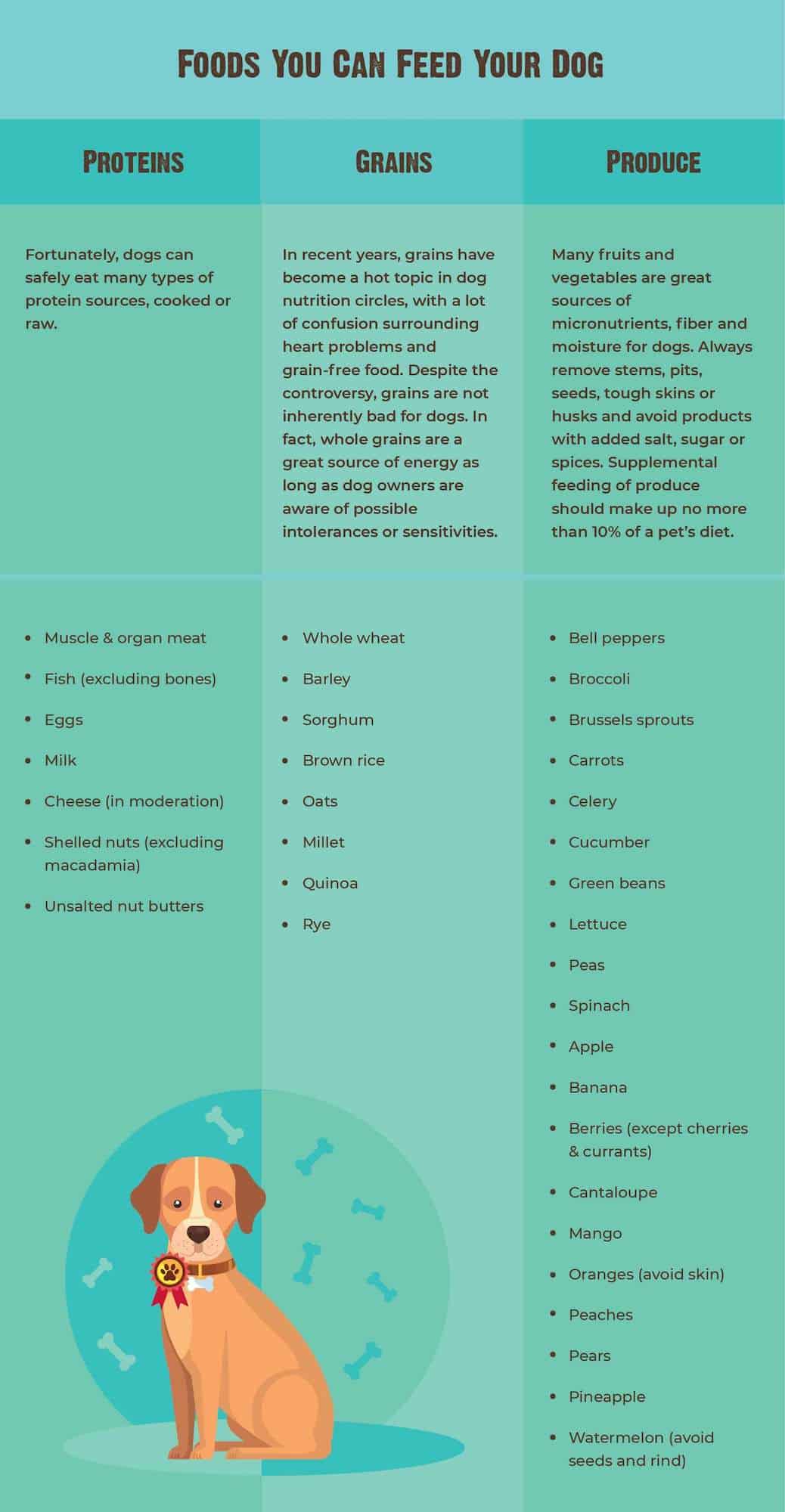
Bringing a dog into your life is a joyous occasion, filled with wagging tails and unconditional love. However, with this new family member comes the responsibility of ensuring their safety and well-being. One crucial aspect of pet care is understanding the foods that are dangerous or even deadly to dogs. While your furry friend might give you puppy-dog eyes for a taste of your meal, it’s vital to know what is safe and what is not. This guide will delve into the common human foods that pose a risk to dogs, helping you create a secure environment and make informed decisions about your pet’s diet.
The Dangers of Human Foods for Dogs
It’s a common misconception that if a food is safe for humans, it’s safe for dogs. This couldn’t be further from the truth. Dogs have different digestive systems and metabolisms, making them susceptible to toxins and ingredients that are perfectly fine for us. Ignoring these differences can lead to severe health issues, ranging from digestive upset to life-threatening conditions. Being aware of these potential hazards is the first step in safeguarding your canine companion.
A Detailed Look at Foods Dogs Cannot Eat
Many everyday foods found in our kitchens can be detrimental to a dog’s health. Here’s a breakdown of some of the most common culprits:
Chocolate: This is perhaps the most well-known toxic food for dogs. Chocolate contains theobromine and caffeine, stimulants that can cause rapid heart rate, muscle tremors, seizures, and even death in dogs. Darker chocolate and baker’s chocolate are particularly dangerous due to their higher concentration of these compounds. Smaller breeds are also more vulnerable to smaller amounts.
Xylitol: Found in sugar-free gum, candy, baked goods, and even some peanut butters, Xylitol is extremely toxic to dogs. Ingesting it can lead to a rapid drop in blood sugar (hypoglycemia), seizures, liver failure, and can be fatal. Always check ingredient labels before sharing any food item with your dog.
Grapes and Raisins: Even a small amount of grapes or raisins can cause sudden kidney failure in dogs. The exact toxic substance is unknown, but the effects are severe. It’s crucial to keep fruit bowls and fruit salads out of reach.
Macadamia Nuts: These nuts can cause weakness, vomiting, tremors, and hyperthermia in dogs. While the specific toxin isn’t identified, their consumption should be strictly avoided.
Avocado: Avocados contain a substance called persin, which can cause vomiting and diarrhea in dogs. The pit also poses a choking hazard and can cause intestinal blockages.
Onions, Garlic, and Chives: These alliums, whether raw, cooked, or in powdered form, can damage a dog’s red blood cells, leading to anemia. Symptoms may not appear immediately but can be severe.
Alcohol: Alcohol has a much more potent effect on dogs than on humans. Even small amounts can cause intoxication, leading to vomiting, diarrhea, coordination problems, central nervous system depression, and even death.
Raw Yeast Dough: If ingested, raw yeast dough can expand in a dog’s stomach, causing severe pain, gas, and potentially life-threatening bloat (gastric dilatation-volvulus). Furthermore, the fermentation process produces alcohol, leading to alcohol poisoning.
Fatty Foods: Foods high in fat, such as bacon, fried chicken, and fatty meat scraps, can cause digestive upset, including vomiting and diarrhea. They can also lead to more serious conditions like pancreatitis, an inflammation of the pancreas.
Salty Snacks: Excessive salt intake from items like potato chips, pretzels, and popcorn can lead to sodium ion poisoning, characterized by excessive thirst, urination, vomiting, and diarrhea.
Coffee and Tea: Like chocolate, coffee and tea contain caffeine, which is a stimulant toxic to dogs. This includes coffee grounds and tea leaves.
Spoiled or Moldy Foods: Foods from the garbage can harbor bacteria and toxins that cause severe gastrointestinal distress, and some molds can produce mycotoxins that lead to serious neurological issues.
Which Dogs are Most at Risk?
While any dog can be at risk, certain breeds or individual dogs may be more prone to ingesting harmful substances. Highly curious dogs or those with a tendency to put things in their mouths require closer supervision. Puppies, with their exploratory nature, are also particularly vulnerable. Ultimately, all dogs need a safe environment free from toxic foods.
What to Do in Case of Poisoning
If you suspect your dog has ingested a toxic food or substance, do not hesitate to contact your veterinarian or an animal poison control center immediately. The ASPCA Animal Poison Control Center (APCC) is available 24/7 at 888-426-4435. Stay calm and follow their professional advice. Never attempt to induce vomiting or administer any treatment without consulting a vet, as this could potentially harm your dog further. Immediate and appropriate veterinary care is crucial for a positive outcome.
Creating a Safe Environment for Your Dog
Preventing your dog from accessing dangerous foods is paramount. This involves:
- Securing your trash: Ensure your garbage bins are lidded and kept out of reach.
- Mindful eating habits: Be aware of what you’re eating and avoid leaving food unattended.
- Educating household members: Make sure everyone in the home understands which foods are toxic to dogs.
- Careful food storage: Store potentially harmful ingredients and foods safely in cabinets or high shelves.
- Choosing dog-safe treats: Opt for treats specifically formulated for dogs. If you’re considering giving your dog human food as a treat, research thoroughly to ensure it’s safe. For instance, understanding what foods can dogs eat that humans eat can be helpful, but always prioritize safety.
By staying vigilant and informed, you can significantly reduce the risk of your dog ingesting harmful substances. Remember that protecting your dog is an ongoing commitment that involves understanding their specific needs and the potential dangers in their environment. Consider exploring resources on what food shouldn’t dogs have and what food can not dogs eat to further enhance your knowledge.
