
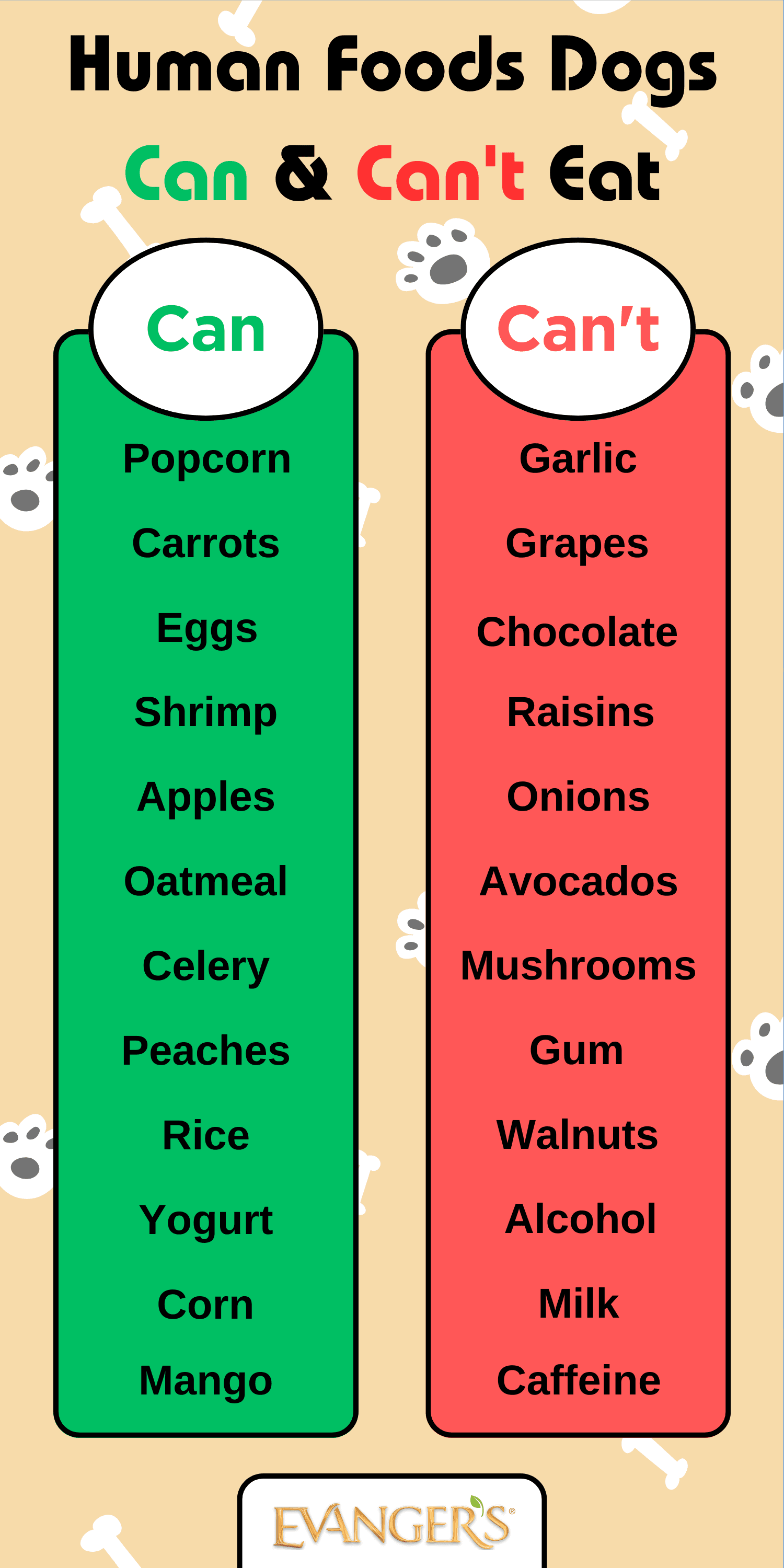
Welcoming a dog into your home means committing to their well-being, and that includes understanding their dietary needs. While many dog owners view cheese as an occasional indulgence due to its fat and calorie content, it can also offer nutritional benefits when given in moderation. This guide explores the different types of cheese and their impact on your canine companion’s health, along with crucial considerations for safe feeding practices.
Understanding Cheese and Canine Nutrition
Cheese is a dairy product rich in protein, calcium, and phosphorus, essential nutrients for a dog’s overall health. Calcium is vital for strong bones and teeth, and phosphorus plays a key role in energy production and metabolism. Additionally, cheese contains beneficial fatty acids like butyrate, which research suggests may contribute to cancer prevention. However, it’s important to remember that cheese is also high in fat and can be difficult for some dogs to digest, potentially leading to digestive upset like diarrhea. Therefore, moderation is key.
Types of Cheese and Their Benefits
Several types of cheese can be safely incorporated into a dog’s diet in small quantities:
- Mozzarella: This popular cheese is a good source of vitamins A and D, contributing to immune function and bone health. A typical serving of mozzarella contains a significant amount of calcium and also provides protein and potassium.
- Cheddar: With its lower lactose content compared to some other cheeses, cheddar can be a suitable treat for many dogs. It offers a good dose of calcium, protein, potassium, and zinc.
- Gouda: Similar to cheddar, Gouda is a good source of protein and an excellent source of calcium. It also contains zinc. However, due to its fat content, it should be given sparingly to avoid digestive issues.
- Swiss Cheese: Swiss cheese provides essential vitamins A and D, along with adequate levels of calcium and phosphorus, supporting overall health.
- Feta Cheese: Made from sheep, goat, or cow’s milk, feta has a distinct salty flavor. It’s high in calcium and may even have mood-boosting properties for dogs, potentially helping to reduce anxiety.
Cheeses to Avoid Feeding Your Dog
While many cheeses are safe in moderation, certain types pose significant risks to your dog’s health:
Cheeses with Harmful Additives
Avoid cheeses that contain garlic, onions, or other herbs, as these ingredients can be toxic to dogs and cause gastrointestinal distress, vomiting, and diarrhea. Additionally, steer clear of cheeses with artificial preservatives like nitrates, processed components, or stuffing, as these can be harmful.
Unpasteurized Cheeses
Unpasteurized cheeses, especially those containing Listeria bacteria, can pose a serious threat to your dog’s health, particularly for older or immunocompromised dogs. Always opt for pasteurized dairy products.
Blue Cheese
Blue cheese presents a unique risk due to the mold used in its production. Dogs lack the necessary enzymes to properly digest this mold, which can lead to severe diarrhea and vomiting. Furthermore, the high-fat content of blue cheese can exacerbate digestive problems.
Responsible Cheese Consumption for Dogs
As a responsible dog owner, ensuring your pet’s safety and health is paramount. If you are uncertain about whether cheese is appropriate for your dog or have concerns about specific types, always consult with your veterinarian. They can provide personalized advice based on your dog’s individual health, age, and breed.
For owners seeking nutritious and safe treats, Frankie Loves Barkery offers a selection of healthy dog treats in Australia. These treats are crafted from 100 percent natural ingredients, free from artificial preservatives, colors, and flavors, ensuring your furry friend receives the best. Explore their product list to find the perfect treat for your beloved pet.
