
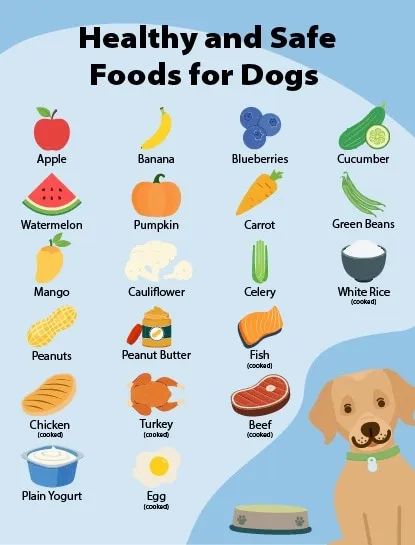
Welcoming a dog into your home means committing to their overall well-being, which includes providing a nutritious diet. While commercial dog food forms the base of most canine diets, incorporating safe and healthy human foods can offer additional vitamins, minerals, and benefits. Understanding which foods are beneficial and which to avoid is crucial for maintaining your dog’s health. This guide explores a variety of safe foods that can be offered as snacks or supplements to your dog’s regular meals, focusing on their nutritional value and potential health advantages.
Nutritious Food Options for Your Canine Companion
Ensuring your dog receives a balanced diet is paramount for their health, and certain human foods can be excellent additions when offered in moderation. These options provide a range of vitamins, minerals, and fiber that contribute to a dog’s overall well-being, from digestion to immune support.
Fruits
Many fruits are safe and beneficial for dogs, offering essential vitamins and antioxidants.
- Apples: A great source of vitamins A and C, and fiber, apples support digestive health and the immune system. Always remove the seeds, as they contain cyanide.
- Bananas: Easy to chew and digest, bananas are rich in fiber, potassium, and vitamins that promote heart health and aid digestion.
- Blueberries: Packed with vitamins and antioxidants, blueberries may help reduce the risk of age-related diseases and disorders.
- Mango: This tropical fruit is high in fiber and vitamins A, B6, C, and E. Ensure the pit and peel are removed, and serve in moderation to avoid digestive upset.
- Watermelon: A hydrating and refreshing treat, watermelon provides vitamins A, C, and B6. Remember to remove the seeds and rind before feeding.
Vegetables
Several vegetables can be safely incorporated into your dog’s diet, offering various health benefits.
- Carrots: Crunchy and rich in vitamin A, carrots can help clean your dog’s teeth and are a good source of fiber. For teething puppies, frozen carrots can offer relief. Cut into small pieces to prevent choking hazards.
- Cauliflower: Low in calories and high in nutrients like fiber and vitamins C and K, cauliflower is a good supplement. However, it can cause gas, so serve in small amounts. Ensure it’s unseasoned, whether raw or cooked.
- Celery: This low-fat vegetable is a good source of fiber and vitamins A, C, and K, and may help freshen breath. Chop into bite-sized pieces to prevent choking.
- Cucumbers: Similar to celery, cucumbers are low in calories, sodium, and fat. Cut into manageable pieces to avoid choking.
- Green Beans: An excellent choice for overweight dogs due to their low calorie and fat content, green beans also provide fiber and vitamin C. They can be served cooked or frozen.
- Pumpkin: Pure pumpkin (not pie filling) is a digestive aid, rich in fiber, vitamins A, C, and E, and minerals. It can help with both diarrhea and constipation.
Proteins
Cooked meats and fish can be valuable additions to a dog’s diet when prepared correctly.
- Beef (Cooked): A nutritious protein source with essential amino acids, vitamins, and minerals. Ensure it’s fully cooked to avoid bacteria and opt for grass-fed if possible.
- Chicken (Cooked and Unseasoned): Easily digestible and high in protein, plain boiled chicken is often recommended for dogs with upset stomachs. Never feed cooked chicken bones, as they can splinter.
- Eggs (Cooked and Unseasoned): A good source of protein and vitamins A, B, D, and K, as well as selenium, calcium, and zinc. Cook eggs thoroughly to prevent salmonella.
- Fish (Cooked and Unseasoned): Fish like salmon and sardines are rich in protein and omega-3 fatty acids. Sardines offer calcium from their soft bones. Always remove bones from other fish types and limit intake to twice a week.
- Turkey (Cooked and Unseasoned): Similar to chicken, turkey is a good protein source. Remove skin, fat, and bones, and ensure it’s fully cooked and unseasoned.
Other Beneficial Foods
- Peanuts (Unsalted) and Peanut Butter: Peanuts provide good fats and protein, but moderation is key to prevent weight gain. Peanut butter offers vitamins B and E and fiber, but ensure it does not contain xylitol, which is toxic to dogs.
- White Rice (Cooked): Easily digestible and often used for bland diets, cooked white rice can help firm stool. However, due to its effect on blood sugar, dogs with diabetes should consume it in limited amounts.
- Yogurt (Plain): Plain yogurt with live probiotics can benefit a dog’s digestive system. Avoid yogurts with added sugars or artificial sweeteners.
Foods to Avoid
It’s equally important to know which human foods are toxic or harmful to dogs. These include:
- Grapes and Raisins: Can cause kidney failure.
- Onions, Garlic, Chives, and Leeks: Can damage red blood cells and lead to anemia.
- Chocolate: Contains theobromine, which is toxic.
- Xylitol: A sugar substitute found in many sugar-free products, highly toxic and can cause liver failure and hypoglycemia.
- Alcohol and Caffeine: Can cause serious health issues.
- Cooked Bones: Can splinter and cause internal damage.
- Macadamia Nuts: Can cause weakness, vomiting, and tremors.
Conclusion: A Balanced Approach to Canine Nutrition
Incorporating a variety of safe, whole foods into your dog’s diet can significantly contribute to their health and happiness. Always introduce new foods gradually and in moderation, observing your dog for any adverse reactions. Consulting with your veterinarian is essential to determine the best dietary plan for your individual dog, considering their age, breed, activity level, and any existing health conditions. By understanding which foods are beneficial and which to avoid, you can provide your canine companion with a well-rounded and nourishing diet. Regular veterinary checkups, such as those facilitated by pet care financing through the CareCredit credit card, ensure your dog receives timely medical attention throughout their life. You can find a veterinarian near you that accepts CareCredit to manage routine and emergency veterinary services.
Expert Reviewer
Dr. Kathy Wiederkehr (Wentworth), V.M.D.
Dr. Kathy Wiederkehr (Wentworth) has been practicing veterinary medicine at pet care facilities in California since 2001. Most recently, she served as medical director of the VCA PetPoint Medical Center and Resort in Irvine. She is a graduate of the University of Pennsylvania School of Veterinary Medicine and became board-certified as a diplomate in Canine and Feline Practice by the American Board of Veterinary Practitioners in 2010.
Author Bio
Abbie Mood is a freelance writer with more than 15 years of experience. She has worked with clients of all sizes to create compelling content and has written for the American Kennel Club, Marriott Bonvoy, Women’s Health Online, Headspace and more.
