
Bringing a new puppy home is an exciting time, filled with cuddles, playtime, and the joy of welcoming a new family member. As a responsible pet parent, one of your primary concerns will undoubtedly be ensuring your furry friend receives the best nutrition for healthy growth and development. While high-quality puppy food should form the cornerstone of their diet, many owners wonder what human food can a 6 week old puppy eat or what treats are safe to share. Understanding which human foods are safe and beneficial for your growing pup, and how to offer them correctly, is key to happy and healthy puppyhood. This guide will explore a variety of safe and nutritious options, along with crucial precautions to keep your puppy safe.
Fruits Puppies Can Enjoy Safely
Fruits can be a delightful and healthy treat for puppies, offering vitamins, fiber, and antioxidants. However, moderation is crucial, and certain preparation steps must be followed to ensure safety.
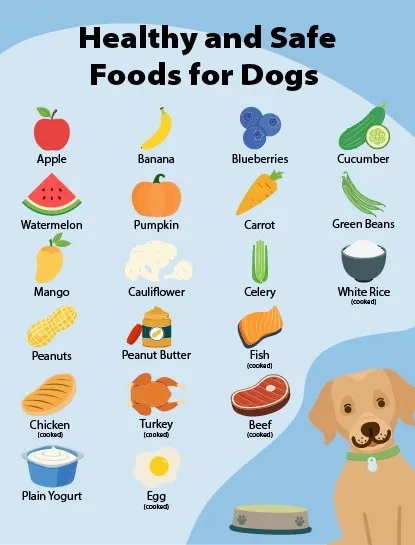
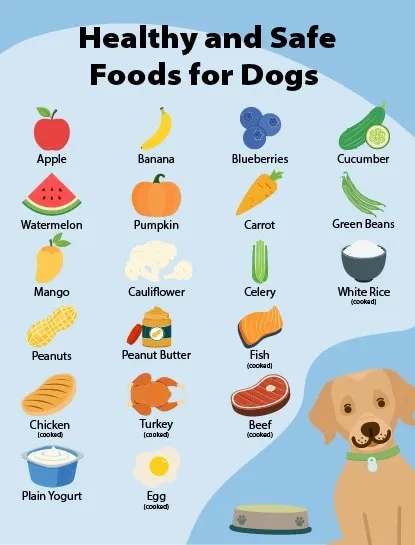
Apples
Fresh apples, with their satisfying crunch, can be a wonderful snack for puppies. They are a good source of vitamins A and C, and fiber, which aids in digestive health. Vitamin A is vital for a healthy immune system, bone growth, and promoting healthy skin and vision. Vitamin C helps reduce inflammation and boosts immunity. Always remember to remove all seeds and the core, as apple seeds contain small amounts of cyanide. Cut apples into small, manageable pieces to prevent choking, especially for tiny pups.
Bananas
Bananas are a soft, easy-to-chew fruit, making them suitable for puppies with developing teeth. They offer numerous health benefits, including supporting heart health and helping to regulate blood pressure. Bananas are rich in fiber, which assists digestion; folate (vitamin B9), contributing to healthy cell growth; potassium, important for fluid balance and kidney function; and vitamin C, an immune booster. Due to their sugar content, bananas should be given in small amounts as an occasional treat.
Blueberries
These tiny, deep-purple berries are packed with vitamins and antioxidants, such as vitamins C, K, and A. Antioxidants are particularly beneficial for puppies as they can help reduce the likelihood of diseases and age-related issues as they grow. Blueberries are small enough for most puppies but can be a choking hazard for very young or small breeds, so supervise your puppy while they enjoy this healthy snack.
Mango
Mango, a delicious tropical fruit, is high in fiber and vitamins A, B6, C, and E, making it a fantastic sweet treat. However, the pit and peel must always be removed, as the pit can be a choking hazard and the peel can be difficult to digest and potentially cause stomach upset. Given its natural sugar content, mango should be offered in moderation to avoid digestive issues.
Watermelon
A refreshing treat, especially on a warm day, watermelon is a good source of vitamins A, C, and B6, and helps with hydration due to its high water content. Just like mango, always remove all seeds and the rind before giving watermelon to your puppy. Seeds can cause intestinal blockages, and the rind is tough to digest and can lead to gastrointestinal distress.
 A bowl of various fresh fruits safe for puppies, including sliced apples, blueberries, and banana pieces for healthy development.
It is equally important to be aware of what fruits should be avoided to keep your puppy safe. For a comprehensive list of fruits that are harmful to dogs, please read our article on what fruits should dogs not eat.
Vegetables That Are Good for Growing Pups
Vegetables are an excellent source of vitamins, minerals, and fiber, contributing to a puppy’s overall health and helping to keep them feeling full.
Carrots
Carrots are a classic healthy treat for dogs and particularly beneficial for puppies. Their crunchy texture can help gently clean plaque from developing teeth and provide relief for teething puppies. Carrots are also a great source of vitamin A. Always cut carrots into small, bite-sized pieces to prevent choking, as whole baby carrots can be a hazard for young pups.
Cauliflower (Unseasoned)
Low in calories and rich in nutrients, cauliflower is a great dietary supplement. It’s packed with fiber, antioxidants, folate, potassium, magnesium, and vitamins C, K, and B6. While beneficial, cauliflower can cause gas in some puppies, so introduce it in very small amounts. It’s safe to feed raw or cooked, but it must always be unseasoned.
Celery
For puppies that need a low-fat snack, celery can be an excellent choice. It’s a good source of fiber and vitamins A, C, and K, along with folate, potassium, and manganese, which support healthy metabolism. Celery may even help freshen your puppy’s breath! To prevent choking, always chop celery into small, bite-sized pieces, especially for smaller breeds.
Cucumbers
Similar to celery, cucumbers are a low-calorie, sodium-free, and fat-free crunchy treat that many puppies enjoy. Their high water content also aids in hydration. As with other crunchy vegetables, cucumbers can be a choking hazard if not prepared properly. Ensure they are cut into small, easy-to-manage pieces before offering them to your four-legged companion.
Green Beans
Green beans are among the best vegetables for puppies, especially those needing to manage their weight, as they are very low in calories and fat. This veggie is also a good source of fiber and vitamin C. You can offer your puppy cooked green beans (steamed or boiled) or even frozen ones for a crunchy, cooling snack.
Pumpkin
Pumpkin is an incredibly beneficial addition to a puppy’s diet, especially for digestive health. It’s rich in vitamins A, C, and E, as well as minerals like iron and potassium. Its high soluble fiber content makes it excellent for managing tummy issues like diarrhea or constipation. Pumpkin also contains prebiotics, which support a healthy digestive tract. When using canned pumpkin, always ensure it is pure pumpkin and not pumpkin pie filling, which contains dangerous additives.
 Close-up of a puppy happily chewing on a small piece of carrot, promoting dental health and providing a source of vitamin A.
Understanding which vegetables are harmful is just as important. For guidance on what vegetables to avoid, consult our article on what vegetables can dogs not eat.
Wholesome Proteins for Your Puppy’s Diet
Protein is essential for a puppy’s growth, muscle development, and overall health. When introducing meats, always prioritize proper preparation.
Beef (Cooked)
Cooked beef is a nutritious protein source, providing all essential amino acids, vitamins, and minerals vital for a growing puppy. If you choose to offer beef, ensure it is fully cooked to eliminate harmful bacteria. Opt for lean cuts and avoid excessive fat, as too much can upset a puppy’s sensitive stomach. Grass-fed beef can be a better source of beneficial fatty acids. Always serve plain and unseasoned.
Chicken (Cooked and Unseasoned)
Plain, boiled, or baked chicken (without skin or bones) is highly digestible and a staple recommendation for dogs with upset stomachs. It’s high in protein and low in fat, making it an excellent occasional supplement or treat. However, it should not be a primary food source, as puppies require a balanced diet beyond just meat. Never give your puppy cooked chicken bones, as they can splinter and cause severe damage to their gastrointestinal tract.
Eggs (Cooked and Unseasoned)
Eggs are a powerhouse of nutrition for puppies, offering an excellent source of protein and a wide array of vitamins, including A, B, D, and K. They also provide important minerals like selenium, calcium, and zinc, all contributing to a healthy pup. It’s crucial to cook eggs thoroughly (scrambled or hard-boiled are great options) to eliminate any risk of salmonella. Always serve them plain, without any seasonings or butter.
Fish (Cooked and Unseasoned)
Certain fish, particularly salmon and sardines, are rich in protein, amino acids, and beneficial omega-3 fatty acids, which are crucial for brain and eye development in puppies. Sardines have the added benefit of soft bones that provide a calcium boost. With the exception of sardines (where soft bones are safe), it’s vital to remove all fish bones before feeding fish to your puppy. Always fully cook fish and limit their intake to no more than two small servings per week to avoid potential issues from excessive mercury or fat.
Turkey (Cooked and Unseasoned)
Similar to chicken, cooked turkey is a good source of lean protein for puppies. Always ensure the turkey is fully cooked and completely unseasoned. It’s also important to remove the skin, bones, and any excess fat to prevent digestive upset or choking hazards.
 A small puppy sitting near a bowl with cooked chicken and white rice, suitable for sensitive stomachs and providing essential protein.
Other Puppy-Friendly Bites
Beyond fruits, vegetables, and meats, a few other common human foods can offer nutritional benefits to your growing puppy.
White Rice (Cooked)
Cooked white rice is often recommended by veterinarians for puppies (and adult dogs) needing a bland diet, especially during times of digestive upset. It’s easily digestible and can help firm up loose stool. However, since rice can cause a spike in blood sugar, puppies with diabetes or those predisposed should consume it only in very small, controlled amounts, as advised by a vet.
Yogurt (Plain)
While some puppies may have difficulty digesting dairy, plain yogurt can be a healthy treat for many. The probiotics in plain yogurt can help support and strengthen your puppy’s developing digestive system. The key is to ensure it is plain yogurt, free from any added sugars, artificial sweeteners (especially xylitol, which is toxic to dogs), or fruit flavorings. Introduce a very small amount first to see how your puppy tolerates it.
Peanuts (Unsalted) and Peanut Butter
Unsalted peanuts can be a safe and tasty treat, offering good fats and protein. However, due to their fat content, they should be given in moderation to avoid issues like weight gain or pancreatitis. Peanut butter, a popular treat, provides added benefits of vitamins B and E, and fiber, all good for cardiovascular and digestive health. The most critical precaution with peanut butter is to always ensure it does not contain xylitol, a common sugar substitute that is highly toxic to dogs, even in small amounts. Always check the ingredient label carefully, and offer in small quantities.
 Assortment of safe puppy treats, including a dollop of plain peanut butter, a hard-boiled egg, and small pieces of cooked chicken, offering varied nutrition.
For a broader understanding of what human foods can be safely incorporated into your dog’s diet, including many suitable for puppies, consider exploring our detailed guide on what are things dogs can eat.
Important Considerations When Feeding Your Puppy Human Foods
While many human foods are safe for puppies, responsible feeding practices are paramount to their health and safety.
- Moderation is Key: Human foods should always be treats, making up no more than 10% of your puppy’s daily caloric intake. Their primary nutrition should come from a high-quality, vet-approved puppy food.
- Always Unseasoned and Cooked: Never offer raw or seasoned human foods. Seasonings, oils, and butter can cause digestive upset or be toxic.
- Remove Choking Hazards: Seeds, pits, cores, tough rinds, and large chunks of food are common choking hazards, especially for small or enthusiastic puppies. Always cut foods into appropriate, bite-sized pieces.
- Watch for Allergies/Sensitivities: Just like humans, puppies can develop allergies or sensitivities to certain foods. Introduce new items one at a time, in very small quantities, and monitor your puppy for any adverse reactions like vomiting, diarrhea, or skin irritation.
- Introduce Slowly: A sudden change or addition to a puppy’s diet can cause digestive upset. Introduce new treats gradually over a few days.
- Always Consult Your Vet: Before making significant changes to your puppy’s diet or if you have any concerns about specific foods, always consult your veterinarian. They can provide tailored advice based on your puppy’s breed, age, size, and health status.
Understanding what human foods can dogs safely eat is a journey that emphasizes caution, research, and veterinary guidance to ensure your puppy thrives.
Conclusion
Feeding your puppy is a significant part of their care, and while commercial puppy food provides complete nutrition, offering certain human foods as safe and healthy treats can be a wonderful way to bond and supplement their diet. From crunchy carrots for teething relief to protein-rich cooked chicken, the options are varied. Remember, the golden rules are always moderation, proper preparation (unseasoned, cooked, and cut into small pieces), and vigilance for any adverse reactions. Your veterinarian is your best resource for personalized dietary advice, ensuring your puppy receives everything they need for a long, happy, and healthy life. Explore more puppy care tips and nutritional guides on Dog Care Story to continue providing the best for your beloved companion!
Expert Reviewer
Dr. Kathy Wiederkehr (Wentworth), V.M.D.
Dr. Kathy Wiederkehr (Wentworth) has been practicing veterinary medicine at pet care facilities in California since 2001. Most recently, she served as medical director of the VCA PetPoint Medical Center and Resort in Irvine. She is a graduate of the University of Pennsylvania School of Veterinary Medicine and became board-certified as a diplomate in Canine and Feline Practice by the American Board of Veterinary Practitioners in 2010.
Author Bio
Abbie Mood is a freelance writer with more than 15 years of experience. She has worked with clients of all sizes to create compelling content and has written for the American Kennel Club, Marriott Bonvoy, Women’s Health Online, Headspace and more.
