
A temporary loss of appetite in your dog isn’t always an immediate cause for concern. Just like us, dogs can sometimes feel under the weather, stressed, or simply not hungry. However, when symptoms like diarrhea, vomiting, or a prolonged decrease in appetite appear, it becomes crucial to ensure your dog receives appropriate nutrition. Providing the right foods can aid recovery and prevent further complications, but it’s essential to understand when home remedies suffice and when professional veterinary care is needed. This guide will help you identify what your dog can eat for an upset stomach, focusing on gentle, easily digestible options to help them feel better. For a broader understanding of what your dog can eat, explore safe foods for dogs.
 Dog looking unwell, with text about food for sick dogs
Understanding Your Dog’s Upset Stomach
An upset stomach in dogs can manifest in various ways, from mild discomfort to severe illness. Recognizing the signs and understanding potential causes is the first step in providing appropriate care.
Common Signs of an Upset Stomach in Dogs
Observing your dog’s behavior and eating habits can provide valuable clues about their health. Signs of an upset stomach often include:
- Eating less food than normal or refusing meals
- Lack of interest in favorite treats
- Trying to eat but unable to keep food down
- Vomiting (can range from occasional to frequent)
- Diarrhea or loose stools
- Excessive drooling
- Lethargy or unusual weakness
- Gurgling or rumbling sounds from the stomach
- Abdominal pain (manifested as hunching, whining, or reluctance to be touched)
- Weight loss (if the issue is prolonged)
Why Your Dog Might Have an Upset Stomach
Many factors can contribute to a dog’s upset stomach, ranging from minor dietary indiscretions to serious underlying health conditions.
Common Reasons:
- Sudden Change in Diet: Introducing a new food too quickly can disrupt the digestive system.
- Eating Something Inappropriate: Scavenging garbage, eating grass, or ingesting human foods that are difficult for dogs to digest can cause upset. It’s important to remember that certain
vegetables dogs shouldn't eatcan be toxic. - Stress or Anxiety: Emotional distress can sometimes manifest as digestive upset.
- Eating Too Much or Too Quickly: Overeating or gulping food can lead to indigestion and vomiting.
- Motion Sickness: Traveling can cause nausea and vomiting in some dogs.
- Mild Infections or Parasites: Bacterial or parasitic infections can cause gastrointestinal issues.
 Dog looking sick after potentially ingesting toxins
More Serious Reasons (Requiring Veterinary Attention):
- Illness or Disease: Conditions such as pancreatitis, kidney disease, liver disease, or inflammatory bowel disease (IBD) can cause persistent stomach upset.
- Infections: Severe viral or bacterial infections.
- Foreign Body Obstruction: If your dog has swallowed a toy, bone, or other non-food item, it can cause a blockage.
- Poisoning: Ingesting toxic substances like certain
fruits dogs should avoid, chemicals, or medications. - Cancer: Various forms of cancer can affect the digestive system.
- Gastric Dilatation Volvulus (GDV), or Bloat: A life-threatening condition where the stomach twists.
- Allergies or Food Sensitivities: Ongoing digestive issues can be a sign of an allergy.
- Dental Problems: Painful teeth can make eating difficult.
When to Contact Your Veterinarian Immediately
While a mild upset stomach can often be managed at home, there are critical signs that warrant immediate veterinary attention. Do not hesitate to call your vet if you observe any of the following:
- Frequent or Projectile Vomiting: Especially if your dog can’t keep water down.
- Vomiting Bile or Blood: Indicates a potentially serious issue.
- Unusual Material in Vomit: Such as foreign objects or signs of internal bleeding.
- Lethargy, Depression, or Discomfort: If your dog is unusually tired, unresponsive, or showing signs of pain.
- Bloating: A distended abdomen, especially if accompanied by unproductive retching, is a symptom of bloat (GDV) and requires emergency care.
- Decreased Urination or Lack of Urination: Can indicate dehydration or kidney issues.
- Severe Diarrhea or Bloody Stools: Particularly if accompanied by other symptoms.
- Suspected Ingestion of Toxins: If you believe your dog has eaten something poisonous (e.g., chocolate, onions, garlic, macadamia nuts, raisins, xylitol), contact your vet or an emergency animal hospital immediately.
 Dog looking sick with multiple issues
Safe & Soothing Foods for Your Dog’s Upset Stomach
Once serious health risks have been ruled out by your veterinarian, a bland diet can often help alleviate symptoms of a mild upset stomach, including gas, nausea, constipation, and diarrhea. The goal is to provide easy-to-digest nutrients that support recovery without irritating the digestive system further. Always discuss your diet plan with your veterinarian, especially if your dog has pre-existing health conditions like diabetes (in which case a diabetic dog's diet might require special considerations), cancer, allergies, or if they are a senior dog who might need additional nutritional support.
Here are 10 veterinarian-recommended foods you can feed your dog to help them recover and feel better:
1. Chicken and Rice
This classic bland diet staple is a primary ingredient in many commercial dog foods for a reason. Both boneless, skinless chicken breast and plain white rice are gentle on the digestive system.
- Preparation: Boil the chicken until fully cooked, then shred it. Cook white rice thoroughly. Combine a ratio of one part shredded chicken to two parts cooked white rice. Do not add any oils, butter, salt, or other seasonings.
- Benefits: Provides easily digestible protein and carbohydrates for energy without irritating the stomach.
2. Shredded Chicken
For dogs who have completely lost their appetite, plain shredded chicken can be highly enticing due to its aroma and texture.
- Preparation: Simply boil boneless, skinless chicken breast until fully cooked, then shred it into small, manageable pieces. Avoid any seasonings.
- Benefits: A great source of lean protein, essential vitamins, minerals, fats, and amino acids that support healing and muscle strength without heavy digestion.
3. Pumpkin
Pureed pumpkin (not pie filling!) is a fantastic source of fiber, helping to regulate digestion. It’s often recommended for both diarrhea and constipation.
- Preparation: Use plain, canned pumpkin puree or cook and mash fresh pumpkin. Ensure there are no added spices, sugars, or artificial sweeteners, which can worsen an upset stomach.
- Dosage: Veterinarians generally recommend one to four tablespoons of pumpkin per meal, depending on your dog’s size.
- Benefits: High in soluble and insoluble fiber, which can absorb excess water in the colon (for diarrhea) or add bulk to stool (for constipation). Rich in vitamins A, C, and E, and minerals.
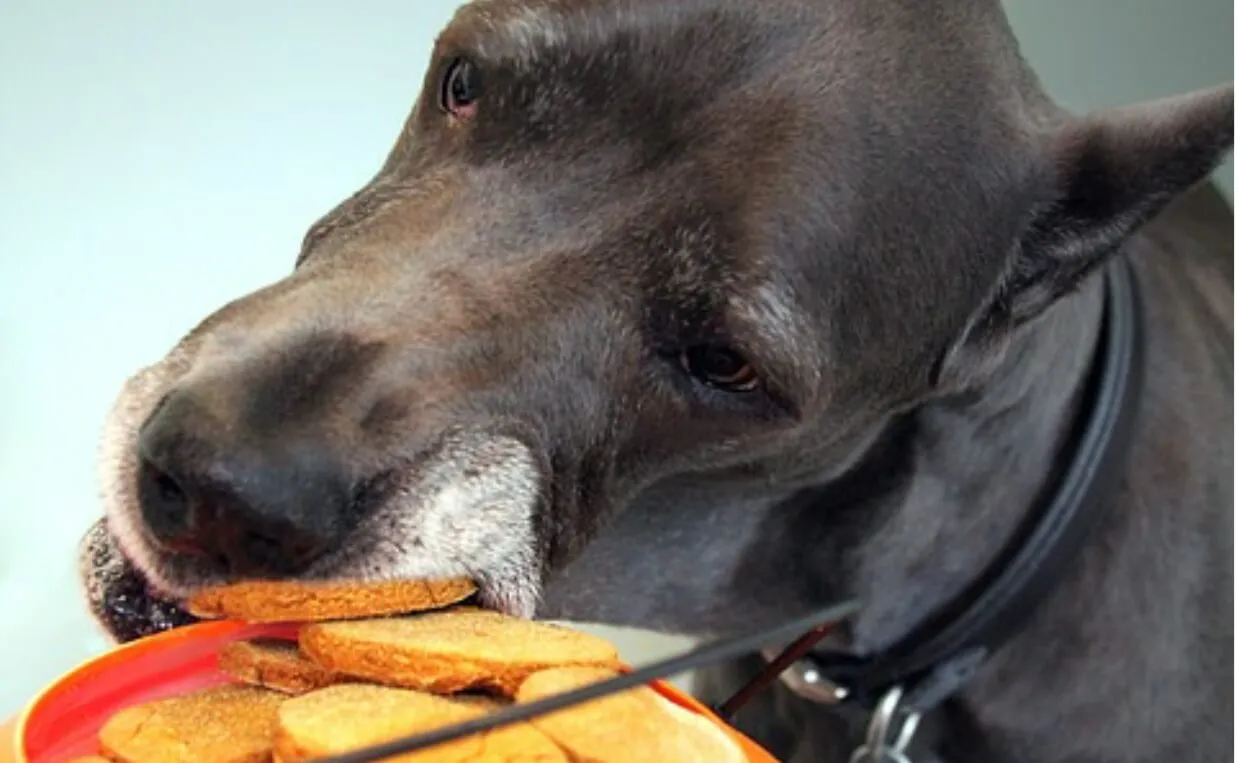 Great Dane eating a pumpkin treat
4. Bone Broth
Nutrient-dense and highly palatable, bone broth is an excellent way to provide hydration and essential nutrients to a sick dog, especially if they are refusing solid food.
- Preparation: Cook beef marrow bones, turkey, or chicken bones covered in water on low heat for 12-24 hours. Once cooled, skim off any hardened fat layer from the top and strain the broth, discarding all cooked bones (which can splinter and be dangerous).
- Benefits: Easy to digest, provides hydration, electrolytes, and amino acids that support gut health. The enticing aroma can encourage a dog to drink/eat.
5. Baby Food
Some veterinary hospitals use certain types of baby food to encourage sick dogs to eat or to help administer medication.
- Preparation: Opt for plain meat-based baby foods such as chicken, lamb, or turkey. Crucially, ensure there are absolutely no added ingredients like garlic or onion powder, which are toxic to dogs.
- Benefits: Smooth texture makes it easy to swallow and digest, and it can be a good way to introduce small amounts of protein.
6. Eggs
Cooked eggs are a simple, digestible source of protein that most dogs find appealing.
- Preparation: Scramble or boil eggs plain, without any butter, oil, salt, or seasonings. Ensure they are thoroughly cooked.
- Benefits: Provide high-quality protein, essential amino acids, and vitamins, making them a nutritious option for recovery.
 Sick dog resting indoors
7. Oatmeal
Plain, cooked oatmeal offers soluble fiber, which can be soothing for an upset digestive tract.
- Preparation: Cook rolled oats (not instant or flavored) in water only. Avoid adding milk, sugar, or other flavorings, as many dogs have difficulty digesting lactose.
- Benefits: Rich in fiber, B vitamins, and linoleic acid (an Omega-6 fatty acid beneficial for skin and coat).
- Caution: Too much fiber can sometimes cause an upset stomach, so offer in moderation.
8. White Fish
Fish can be highly enticing for dogs who have lost their appetite, as their sense of smell plays a significant role in motivating them to eat.
- Preparation: Cook lean white fish (like cod, haddock, or tilapia) by steaming or boiling. Always ensure the fish is completely deboned and unseasoned. Remove skin if present.
- Benefits: Provides lean protein, Omega-3 fatty acids, and essential vitamins and minerals. The strong scent can stimulate appetite.
9. Potatoes
Plain, cooked potatoes are a good source of carbohydrates and essential nutrients, offering a gentle energy boost.
- Preparation: Boil or steam potatoes (peeled) until thoroughly cooked and soft. Mash them plain, without any butter, salt, or seasonings. Sweet potatoes are also an excellent alternative.
- Benefits: Rich in Vitamin C, B6, iron, and magnesium. Provide easily digestible starch.
 Dog looking sick with eye issues
10. Plain Yogurt
Unsweetened, plain yogurt with live active cultures can act as a probiotic, supporting healthy gut flora.
- Preparation: Offer small amounts of plain, unsweetened yogurt with live active cultures. Never use yogurts with artificial sweeteners, especially xylitol, which is highly toxic to dogs. Avoid flavored or sugary varieties.
- Benefits: Provides calcium, protein, and beneficial bacteria (probiotics) that can help rebalance the digestive system.
- Caution: Some dogs are lactose intolerant, so introduce in very small quantities first and monitor for any adverse reactions.
Tips for Feeding a Dog with an Upset Stomach
Beyond what to feed, how you feed your sick dog is equally important:
- Small, Frequent Meals: Instead of one or two large meals, offer smaller portions every few hours. This is easier on a sensitive stomach.
- Hydration is Key: Ensure your dog always has access to fresh water. If vomiting is severe, offer ice chips to lick, or speak to your vet about oral rehydration solutions.
- Gradual Reintroduction: Once your dog’s symptoms improve for 24-48 hours, gradually reintroduce their regular food by mixing small amounts with the bland diet over several days.
- Monitor Symptoms: Keep a close eye on your dog for any worsening symptoms or new signs of discomfort.
- Keep it Bland: Stick to the unseasoned, plain preparation methods strictly. Any additional ingredients can irritate the stomach.
Understanding Canine Dietary Preferences
While managing an upset stomach, it’s also useful to understand individual dog preferences for food. For instance, knowing what a Shih Tzu likes to eat when healthy can help you recognize when their usual preferences shift due to illness.
Conclusion
Caring for a dog with an upset stomach requires patience, observation, and informed decisions about their diet. While bland foods like boiled chicken, rice, and pumpkin can provide much-needed relief and support recovery, it is paramount to prioritize your dog’s safety and well-being. Always consult your veterinarian before making significant dietary changes, especially when your dog is unwell, as they can accurately diagnose the underlying cause of the upset stomach and recommend the most appropriate course of action based on your dog’s specific symptoms and health history. Your vet is your best resource for ensuring your beloved companion gets back to feeling their best.
