
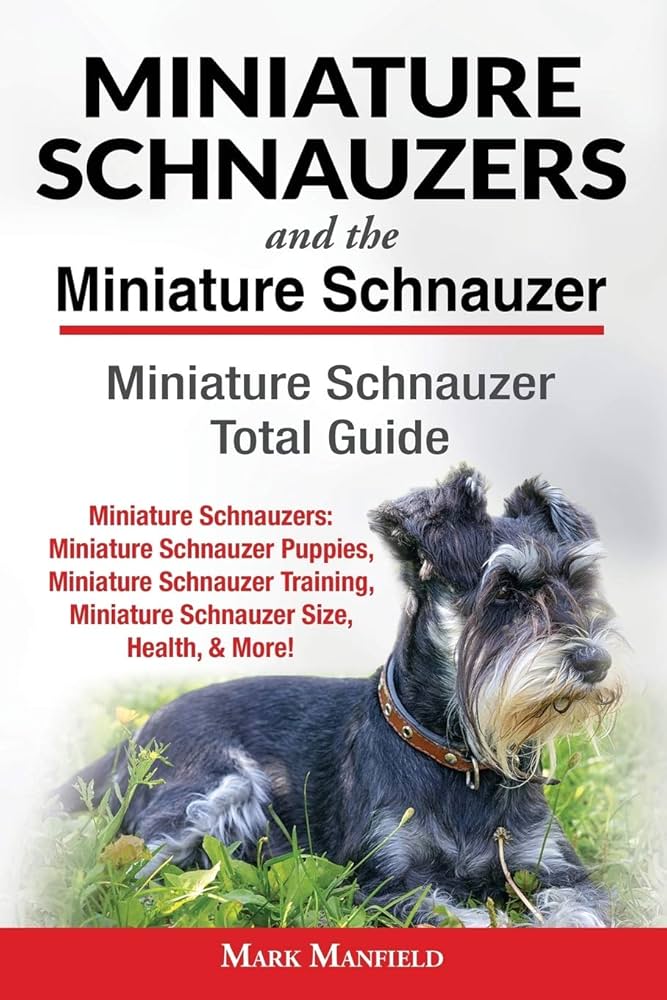
The Miniature Schnauzer, known for its adaptable and family-friendly nature, is a beloved breed, often described as a source of endless fun and mischief by its owners. A crucial aspect of caring for these energetic dogs lies in providing them with the correct nutrition. Understanding the best food choices for Miniature Schnauzers is particularly vital given the breed’s susceptibility to certain health issues.
Do Miniature Schnauzers Require a Special Diet?
Miniature Schnauzers can experience sensitive stomachs and skin conditions, both of which can be influenced by their diet. Therefore, selecting appropriate dog food for this breed is essential.
Petplan highlights that, like all breeds, Miniature Schnauzers are prone to specific health conditions. The initial step towards ensuring a healthy and happy dog involves choosing a reputable breeder or rehoming organization.
Digestive Health in Miniature Schnauzers
Pancreatitis, an inflammation of the pancreas, is a condition that can affect Miniature Schnauzers. This occurs when the pancreas’s digestive enzymes begin to attack it. Treatment for milder forms typically involves supportive care and avoiding high-fat foods.
For dogs with delicate digestion or those prone to allergies, hypoallergenic dog food can be beneficial. This type of food is formulated without common ingredients that often trigger stomach upset or skin problems, such as beef, eggs, dairy, wheat, maize, and soya. Switching to sensitive dog food, which is less likely to cause an intolerant reaction, can be very helpful, though veterinary advice should always be sought.
Pro Tip: If your Miniature Schnauzer seems perpetually hungry, their current food might not be providing sufficient nutrients. Switching to a more nutritionally beneficial food could help regulate their eating behavior.
Dental Concerns in Miniature Schnauzers
Dental problems are another common issue for Miniature Schnauzers. Research indicates that dental disease is the most prevalent disorder affecting the breed, impacting a significant percentage of individuals. Their smaller mouths are more prone to overcrowding, allowing food, bacteria, and minerals to accumulate along the gum line. This buildup leads to tartar, which can cause gingivitis, creating pockets where bacteria thrive and leading to periodontal disease. If left untreated, bacteria from infected gums can spread throughout the body, potentially damaging the liver and kidneys. Regular dental cleanings and at-home tooth brushing are crucial for prevention.
The choice of food can also impact dental health. While some owners prefer wet food, dry dog food offers the advantage of exercising chewing muscles and providing a mild cleaning effect on the teeth.
Pro Tip: Dry dog food undergoes a thorough cooking process that eliminates harmful bacteria. Kibble remains fresh until served, and following package instructions makes it easy to measure the correct portion size, helping your Miniature Schnauzer maintain a healthy weight.
Nutritional Needs Across Life Stages
Regardless of age, the healthiest dog food provides the correct balance of calories, dietary components, and nutrients tailored to a dog’s size, life stage, and lifestyle. A good dog food for Miniature Schnauzers should contain easily digestible protein, fat, carbohydrates, and a small amount of fiber for gut health. Essential vitamins and minerals, such as zinc for skin and coat health, and calcium for strong bones and teeth, are also vital.
The pet food industry emphasizes that dogs require 37 essential nutrients. Complete dog foods are expertly formulated to provide these in the correct amounts and proportions, ensuring a well-balanced diet that is also appealing to dogs.
As a dog’s nutritional requirements change throughout their life, tailored food plays a significant role in their overall health and happiness. The best dog food for Mini Schnauzers will support their optimal quality of life from puppyhood through adulthood and into their senior years.
What Not to Feed Your Miniature Schnauzer
As a general guideline, it’s best to avoid feeding human food, such as table scraps. Human food often lacks the essential nutrients in the correct proportions that dogs need. Furthermore, many common human foods are highly dangerous for dogs.
If you suspect your Miniature Schnauzer has ingested any of the following, consult your veterinarian immediately:
- Alcoholic beverages: Can cause intoxication, coma, and death.
- Chocolate, coffee, tea: Contain toxic compounds that affect the heart and nervous system.
- Fat trimmings: Can lead to pancreatitis.
- Peach and plum pits: May cause digestive tract obstruction.
- Grapes and raisins: Contain an unknown toxin that can harm the kidneys.
- Gravy: If made from meat juices, it can be high in fat, causing pancreatitis.
- Large amounts of liver: Can result in Vitamin A toxicity.
- Macadamia nuts: Contain an unknown toxin affecting digestive and nervous systems.
- Milk and dairy products: Many adult dogs are lactose intolerant, leading to diarrhea.
- Meat-free options (e.g., Quorn): May contain onion and garlic.
- Mouldy or spoiled food: Can cause vomiting, diarrhea, and organ damage.
- Onions and garlic (raw, cooked, or powder): Damage red blood cells, leading to anemia.
- Leaves and stems of potato, rhubarb, and tomato: Contain oxalates.
- Raw eggs: Can lead to biotin deficiency and may contain salmonella.
- Raw fish: Can cause thiamine deficiency.
- Excessive salt: May lead to electrolyte imbalances.
- Sugary foods: Can contribute to obesity and dental problems.
- Table scraps (in large amounts): Not nutritionally balanced and can lead to obesity.
- Xylitol: A highly toxic artificial sweetener that causes a dangerous drop in blood sugar.
All foods in the Burgess Sensitive Dog Food range for puppies, adults, and senior dogs are complete, ensuring your pet receives all necessary nutrients without the risk of an upset stomach.
For personalized advice on feeding your dog or any specific nutritional concerns, consult your local veterinary practice or contact Burgess Pet Experts.
