
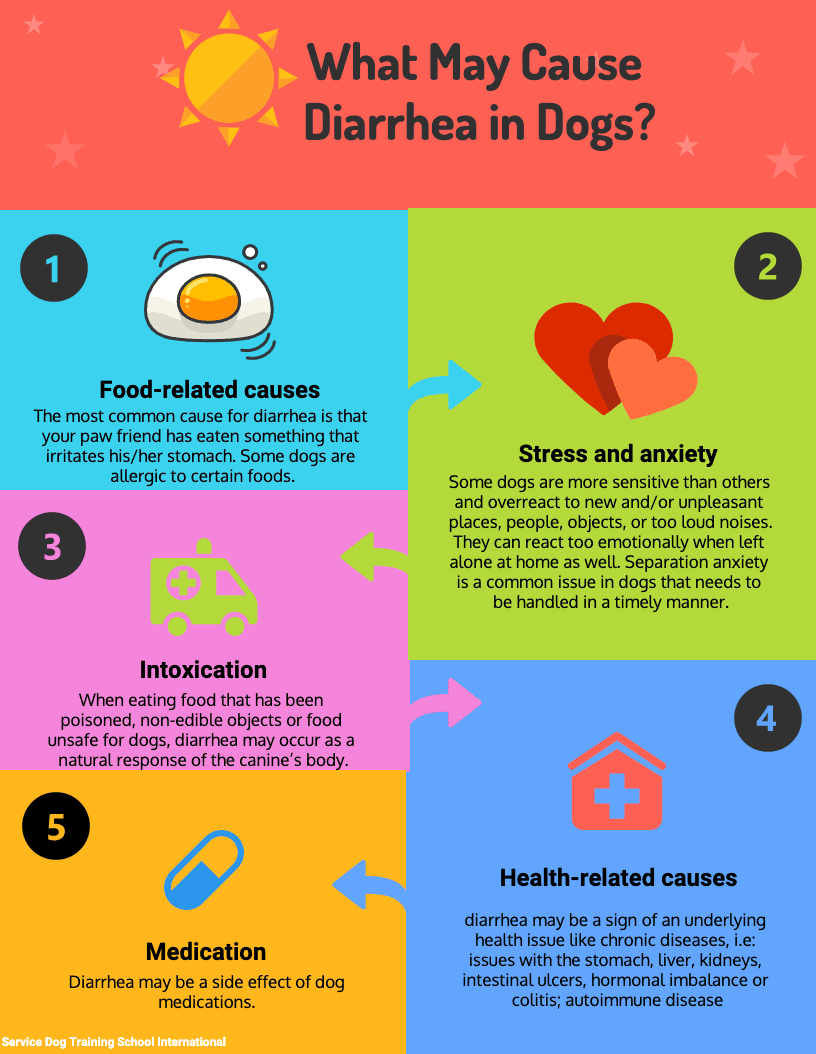
Experiencing diarrhea in your dog can be a distressing and messy situation for any pet owner. Understanding the potential causes and knowing when to seek professional help is crucial for your canine companion’s well-being. This guide delves into the common reasons behind your dog’s digestive upset and outlines the steps you can take to help them recover.
Understanding Diarrhea in Dogs
Diarrhea is a common ailment that many dogs encounter at some point in their lives. Mild cases often stem from minor gastrointestinal distress, such as consuming table scraps or experiencing a change in their diet. However, it’s important to recognize that diarrhea can also be a symptom of more serious underlying health conditions. This article aims to shed light on these causes, advise on when veterinary consultation is necessary, and discuss typical treatment approaches.
What Causes Diarrhea in Dogs?
A variety of factors can lead to diarrhea in dogs. Some of the most frequent culprits include:
- Consumption of garbage or spoiled food
- Adverse reactions to medications, particularly antibiotics
- Periods of stress or anxiety
- Intestinal cancer
- Colitis
- Pancreatitis
- Sudden changes in treats or overall diet
- Ingestion of poisons or toxins
- Swallowing foreign objects like fabric, bones, or toys
- Viral infections such as distemper, coronavirus, or parvovirus
- Liver or kidney disease
- Inflammatory bowel disease
- Parasitic infections, including Giardia, coccidia, whipworms, roundworms, or hookworms
- Bacterial infections, such as Salmonella
When to Contact Your Veterinarian
While a single episode of diarrhea in an otherwise healthy and active dog might not be cause for alarm, persistent or severe symptoms warrant a veterinary visit. Monitor your dog’s bowel movements closely. If your dog experiences more than two episodes of diarrhea, it could indicate an underlying health problem, and you should consult your veterinarian.
A critical situation arises if your dog is straining to defecate but only passing small amounts of watery diarrhea. This can signify a painful blockage, potentially caused by ingesting a foreign object, and requires immediate veterinary emergency care. Contact your vet or proceed to the nearest animal emergency hospital without delay.
Recurring diarrhea within a short timeframe can be a sign of a severe health issue, especially in very young, old, or immunocompromised dogs. Life-threatening infections like parvovirus necessitate urgent veterinary attention. If your dog experiences repeated bouts of diarrhea, contact your vet immediately.
Dogs exhibiting diarrhea alongside other symptoms should also be seen by a veterinarian as soon as possible. Seek immediate veterinary care if your dog displays any of the following:
- Lack of Appetite
- Blood in Stool
- Signs of Dehydration (sunken eyes, dry nose, dry and sticky gums)
- Unusual Drooling
- Weakness
- Vomiting
If any of your dog’s symptoms cause you concern, it’s always best to reach out to your veterinarian. They can assess whether an examination is necessary to diagnose the condition.
How to Manage Diarrhea in Dogs
It is crucial to never administer human medications to your dog for diarrhea without first consulting your veterinarian. Many medications intended for humans can be toxic to dogs and may lead to further health complications.
For one or two instances of soft or runny stools, allowing your dog a 12 to 24-hour fasting period may help them recover. Following the fast, a bland diet for 24 to 48 hours can be beneficial. This typically includes plain cooked white rice mixed with a small amount of boiled chicken and some canned plain pumpkin (ensure it’s not pumpkin pie filling). Once your dog’s condition improves, gradually reintroduce their regular food.
Other remedies that may help soothe an upset stomach include natural yogurt, probiotics, peeled boiled potatoes, cottage cheese, eggs prepared without oil, and specially formulated veterinary dog foods. Always follow your vet’s prescribed medications and treatments.
When it comes to your dog’s health, it’s always advisable to be cautious. A veterinary examination allows your vet to determine the root cause of the diarrhea and recommend the most effective treatment plan. For detailed information on foods to avoid, consider exploring resources on what food should you never feed your dog.
Note: The advice provided in this article is for informational purposes only and does not constitute medical advice for pets. For an accurate diagnosis and treatment plan, please consult your veterinarian.
If your dog is experiencing chronic diarrhea, contact our Baltimore vets today to schedule an appointment. We are dedicated to diagnosing and treating your dog’s diarrhea to help them feel better.
