
Running out of your dog’s regular food can be a stressful situation, but with a few safe alternatives from your pantry, you can ensure your canine companion stays nourished until you can restock. This guide provides essential information on emergency meal options and foods to avoid, prioritizing your dog’s health and safety. The goal is to offer temporary solutions without replacing their balanced diet.
When faced with an empty dog food bag, it’s crucial to consider a few factors before offering an alternative meal. While the suggestions below are safe for your dog, they are not nutritionally complete and should not be used as a long-term replacement for their proper diet. These are intended as emergency measures to bridge the gap. Always opt for ingredients low in salt and fat, as excessive amounts can lead to increased thirst and digestive upset. Furthermore, be keenly aware of your dog’s specific dietary needs, including any known intolerances or allergies, and strictly avoid any food that is toxic to dogs.
Safe Emergency Meal Ingredients
Preparing a quick meal for your dog is often simpler than anticipated. The key is to select plain, unseasoned, and additive-free ingredients. Here are some safe options commonly found in homes that can be fed to your dog in moderation:
- Cooked Potatoes: Plain, unseasoned mashed potatoes or unseasoned, unflavored mashed potatoes are suitable.
- Cooked Sweet Potatoes: Ensure they are peeled and cooked without any added seasonings.
- Cooked Lean Meats: Plain, unseasoned, boneless, and unsalted chicken, beef, or turkey are good choices.
- Pumpkin: Additive-free cooked, tinned, or pureed pumpkin is beneficial.
- Cooked Vegetables: Mashed or chopped swede, broccoli, carrots, peas, green beans, parsnips, cauliflower, cooked sweetcorn, celery, spinach, and tomatoes can be included.
- Fruits: Bananas, blueberries, strawberries, and apples (with the core and seeds removed) can be given as occasional treats.
Combining a variety of these safe foods can help satisfy your dog’s hunger until you can obtain their regular food. For an extra treat or to entice a picky eater, consider these additions in small quantities:
- Plain Porridge: Cooked in water, without any added sweeteners or flavorings.
- Peanut Butter: Ensure it is free from xylitol, a toxic artificial sweetener.
- Onion-Free Gravy: A small amount can be used to enhance flavor.
Can Dogs Eat Cat Food?
While the temptation might be to share your cat’s food, it’s not advisable to feed your dog cat food as a meal. Although a small accidental mouthful is unlikely to cause harm, cat food is formulated with nutrients specific to the dietary needs of obligate carnivores. Dogs, being omnivores, require a different nutritional balance. Feeding cat food to dogs can lead to digestive issues such as diarrhea and vomiting, and in severe cases, pancreatitis, a serious inflammation of the pancreas.
Can Dogs Eat Eggs?
Cooked or boiled eggs are generally safe for dogs. It is essential that any eggs given to your dog are plain, free from eggshells, and fully cooked. Raw eggs pose risks of bacterial contamination and can lead to nutritional deficiencies. Safe preparations include:
- Scrambled Eggs: Made without butter, salt, pepper, or other seasonings.
- Boiled Eggs: Cut into small, unseasoned pieces.
- Dry-Fried Eggs: Cooked without oils, butter, salt, or pepper.
- Poached Eggs: Prepared without oils, butter, salt, or pepper.
- Baked Eggs: Cooked without salt or other harmful ingredients like dairy.
Is Rice Good for Dogs?
Yes, a small portion of plain, cooked, or boiled white rice is safe for dogs. Due to its bland nature, plain white rice, often combined with boneless, skinless, unseasoned cooked chicken, may be recommended by veterinarians to soothe an upset stomach. However, it’s important to remember that vets do not advocate for long-term rice consumption, as dogs need a varied and balanced diet for optimal health.
Foods to Strictly Avoid
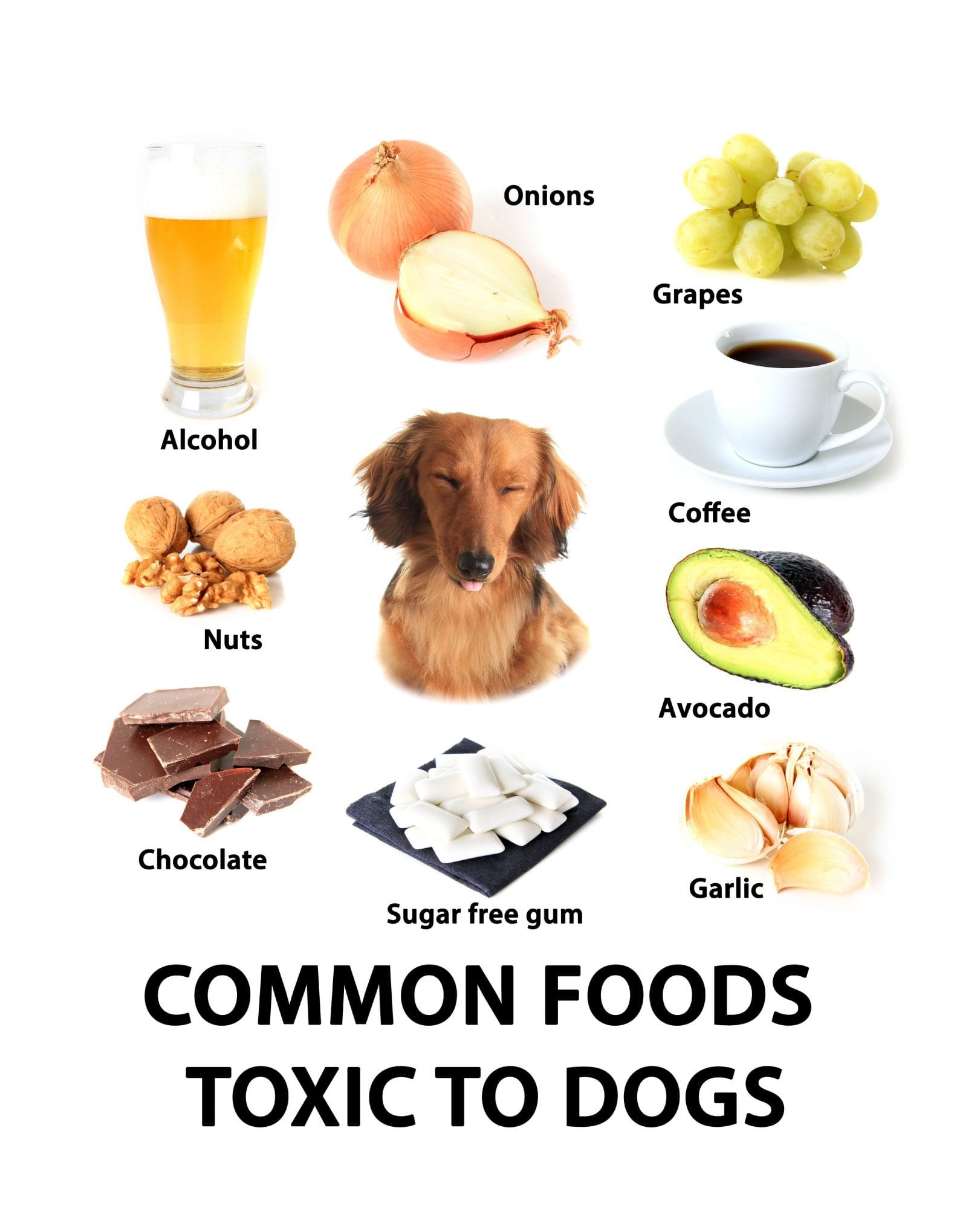
Not all human foods are safe for canine consumption. To prevent accidental poisoning, it is vital to avoid the following ingredients and flavorings when preparing any emergency meal for your dog:
- Grains and Baked Goods: Bread, cakes, pies, pastries, crisps, crackers.
- Dairy Products: Milk, cheese, yogurt, etc.
- Meats: Fatty meats, meat skin (like chicken skin), and cooked bones (which can splinter).
- Nuts: Especially macadamia nuts, which are toxic.
- Fruits: Avocado, grapes, dried fruit (raisins, sultanas).
- Vegetables: Corn on the cob (the cob is a choking hazard), alliums (onions, garlic, chives).
- Sweets and Desserts: Chocolate, sweets, sugar.
- Sauces and Seasonings: Cheese sauce, curry sauce, dipping sauces, salt, sugar.
- Beverages: Alcohol, caffeine (found in coffee and tea).
- Artificial Sweeteners: Xylitol.
It is crucial to be mindful of the quantities fed and to transition your dog back to their regular food as soon as possible. When in doubt, or if you have any concerns regarding your pet’s dietary needs, always consult with a veterinarian.
