
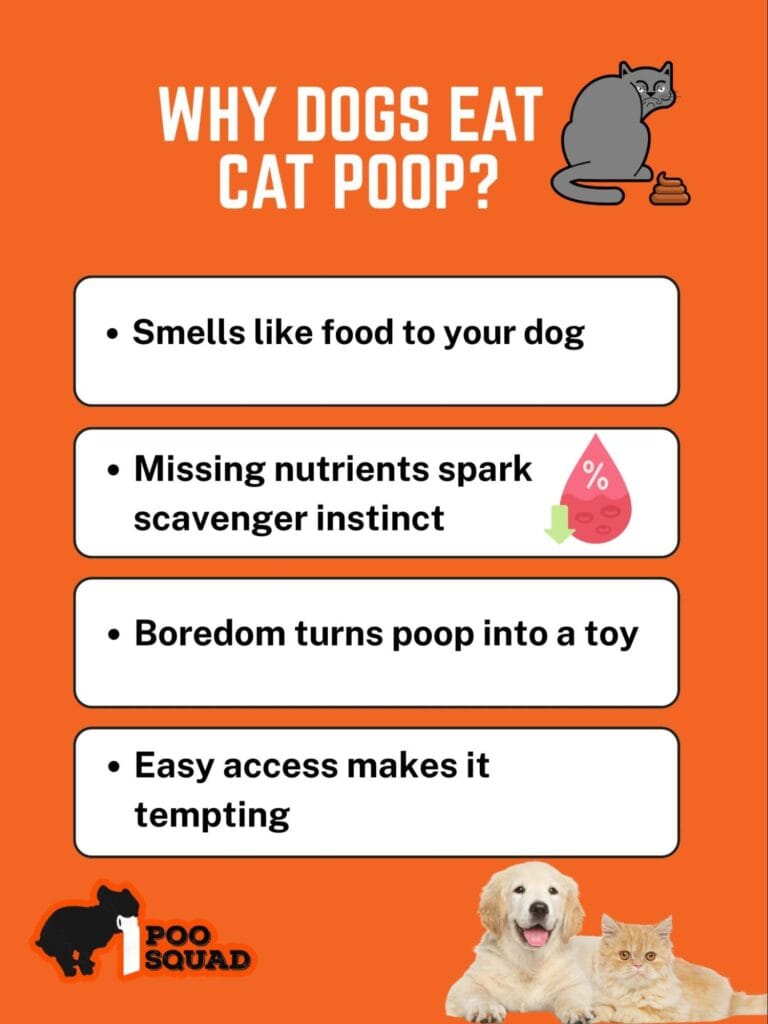
It’s a common, albeit unpleasant, scenario for many dog owners: you catch your furry friend with their snout in the litter box, a tell-tale sign they’ve been indulging in cat feces. This behavior, known as coprophagia, might seem baffling and gross to us, but it’s surprisingly prevalent among dogs. Understanding the root causes behind this urge, the potential health risks involved, and effective strategies to curb it is crucial for maintaining both your dog’s well-being and your home’s hygiene.
The Multifaceted Reasons Behind Canine Coprophagia
Dogs engage in eating feces for a variety of reasons, ranging from behavioral quirks to underlying medical conditions. For many dogs, it simply becomes a deeply ingrained habit, often fueled by the immediate “reward” of finding a “treat” in the litter box. This self-reinforcing cycle makes it challenging to break. Boredom is another significant culprit. Dogs, who explore the world with their mouths, can stumble upon the litter box as an interesting, albeit unsanitary, new frontier. If not sufficiently stimulated with playtime, exercise, and interaction, a bored dog is more likely to seek out such activities.
Furthermore, a dog might resort to eating feces as a way to “hide an accident.” If a dog has been punished for an indoor mishap, even by yelling, they can learn to associate eliminating in the house with negative consequences. To avoid further punishment, some dogs will consume their own waste to remove the evidence. This underscores the importance of using positive potty training methods and never punishing accidents. Stress can also trigger coprophagia, with dogs turning to behaviors they enjoyed in puppyhood, like eating feces, as a coping mechanism.
While less common, medical causes are also a possibility. Malnutrition, particularly in dogs on homemade or non-AAFCO-certified diets, can lead to them seeking nutrients elsewhere. Intestinal parasites, poor nutrient absorption, and hormonal imbalances can also contribute. In senior dogs, a sudden onset of this behavior might signal canine cognitive dysfunction, a brain-aging condition causing confusion and behavioral changes.
Health Risks Associated with Eating Cat Feces and Litter
The act of a dog consuming cat feces and litter is not without its health implications. If the cat harbors intestinal parasites or harmful bacteria like E. coli or Salmonella, your dog is at risk of contracting infections. Additionally, if the cat is on medication, residues could remain in their feces, potentially impacting your dog’s health.
Ingesting cat litter or feces can lead to digestive upset in dogs, with symptoms such as vomiting, loss of appetite, and abdominal discomfort. While these issues are often mild and resolve on their own, severe or persistent symptoms warrant veterinary attention. It’s also vital to remember that any contaminants ingested by your dog can potentially be transmitted to humans through close contact. Therefore, thorough handwashing after interacting with your dog, especially if they have access to the litter box, is essential.
Is This Behavior Normal for Dogs?
Interestingly, at certain life stages, a dog’s consumption of feces is considered normal and even necessary. Puppies, born without gut bacteria, need to ingest their mother’s or littermates’ stool to colonize their digestive tracts with beneficial bacteria essential for proper digestion. Mother dogs also inadvertently teach this behavior when they lick their puppies clean, ingesting feces in the process. This early exposure means that, unlike humans, dogs don’t inherently perceive feces as entirely repulsive.
Strategies to Prevent Your Dog from Eating Cat Poop
While breaking a dog’s habit of eating cat poop can be challenging, it is achievable with patience and consistent effort. The most crucial step is to avoid punishment, as it can exacerbate stress-related coprophagia. Instead, focus on positive training methods and consult with a veterinarian or a qualified dog trainer for guidance.
A highly effective preventative measure is to maintain a scrupulously clean litter box, ideally scooping it immediately after each use. While self-cleaning litter boxes exist, be mindful that some cats may be apprehensive of them. Ensuring your dog receives ample physical activity, exercise, and household engagement is also key, particularly if boredom is the underlying cause. A tired dog is less likely to seek out mischief.
Furthermore, ensure your dog is on a well-balanced diet recommended by your veterinarian. Slowing down their eating pace can improve digestion and reduce the urge to consume feces. Utilizing slow feeder bowls or puzzle toys that dispense food can be beneficial. For persistent cases, your veterinarian may suggest supplements, medications, or food additives designed to make feces less appealing. It’s important to note that some of these deterrents may need to be given to the cat whose stool is being eaten, which can add another layer of complexity to treatment.
