
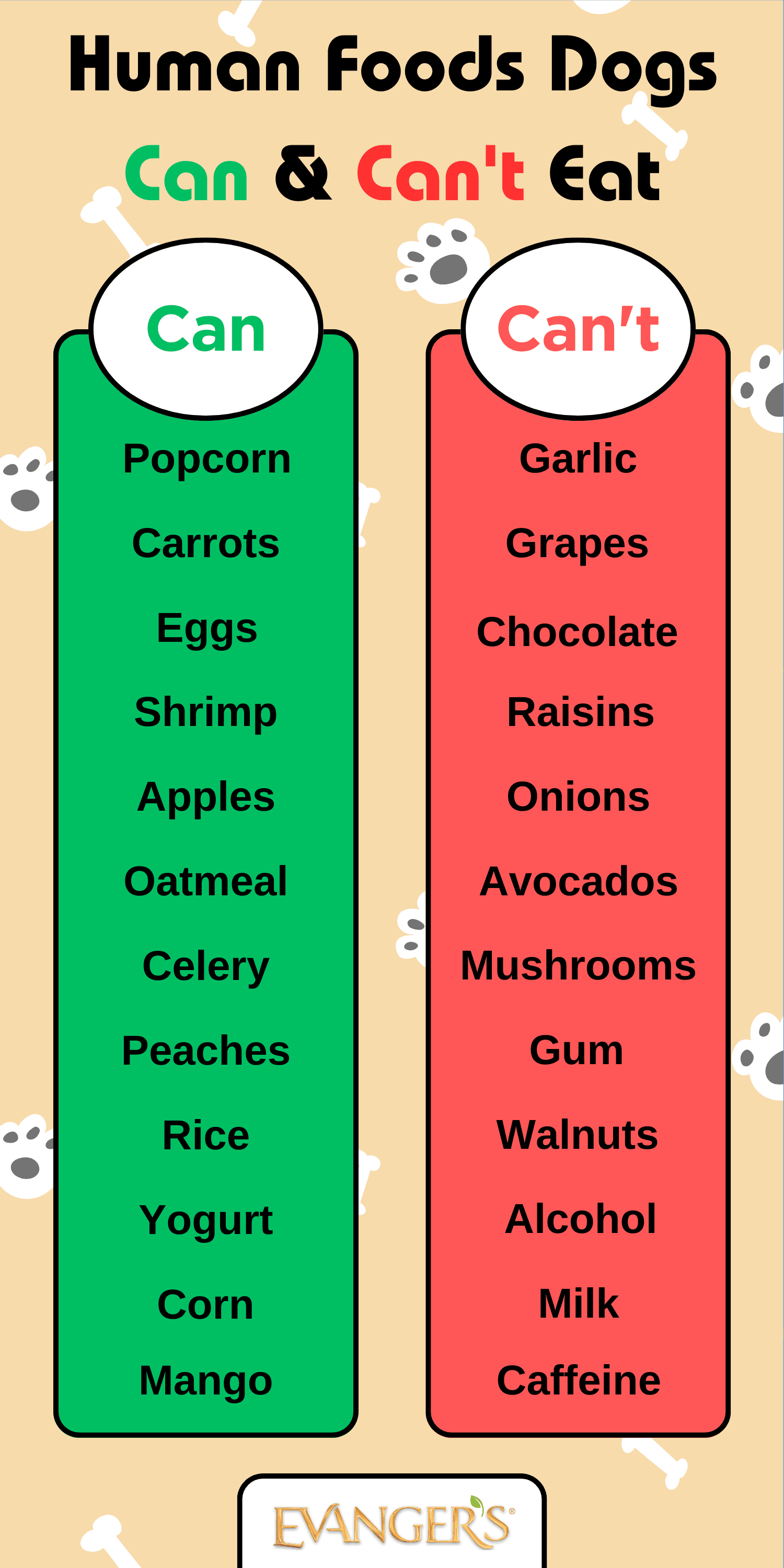
As devoted pet parents, we often want to share our meals with our beloved canine companions. However, what’s safe and healthy for us might be detrimental, even toxic, to our dogs. Understanding the differences in canine digestion and metabolism is crucial to prevent serious health issues. This guide will serve as your comprehensive resource on human foods that are safe for dogs and those that pose a significant risk, helping you make informed decisions to keep your furry friend healthy and safe.
Understanding Why Certain Foods Are Toxic to Dogs
Canine digestion and metabolism differ significantly from humans, explaining why certain foods that are perfectly fine for us can be harmful to dogs. Their bodies process some substances differently, leading to toxic buildups. For instance, dogs metabolize theobromine and caffeine found in chocolate much slower than humans, which can quickly become fatal. Similarly, while cherries are safe for us, their pits, stems, and leaves contain cyanide, and the pits themselves can cause digestive upset. It’s also important to remember that food toxicity can vary based on a dog’s size, breed, and existing health conditions. Always consult your veterinarian if you have any doubts about a food’s safety for your dog.
Common Foods Dogs Cannot Eat
Many everyday human foods can be dangerous or even toxic to dogs. It’s vital to be aware of these common culprits to prevent accidental poisoning.
1. Alcohol
Due to their smaller size, alcohol can have a much more severe and potentially deadly effect on dogs, even in small amounts. Symptoms mimic those in humans and can include vomiting, breathing difficulties, coma, and death.
2. Apple, Apricot, Cherry, and Plum Seeds/Pits
While the flesh of apples is safe, their core and seeds contain cyanide. Apricot, cherry, and plum pits also contain cyanide and can cause severe health issues, including seizures and death. The pits can also lead to gastrointestinal obstruction.
3. Avocado
Avocados contain persin, which can cause vomiting and diarrhea in dogs. The pit also poses a significant choking and intestinal obstruction hazard.
4. Broccoli
In large quantities, broccoli can be harmful due to isothiocyanates. While small amounts might be tolerated, it’s best to avoid it, especially the stalks which can cause obstructions.
5. Caffeine and Coffee Grounds
Caffeine, found in coffee, tea, and soda, contains methylxanthines that can cause vomiting, diarrhea, seizures, and heart rhythm issues.
6. Fatty Meats and Bones
Fatty cuts of meat like ham, chicken, and turkey skin can lead to pancreatitis. Bones, especially cooked ones, can splinter and cause choking, intestinal blockages, or internal injuries.
7. Chocolate
Chocolate is highly toxic to dogs due to theobromine and caffeine. Dark chocolate and baker’s chocolate are the most dangerous. Ingestion can lead to hyperactivity, vomiting, diarrhea, seizures, and even death.
8. Grapes and Raisins
Even small amounts of grapes and raisins can cause severe kidney failure in dogs due to their tartaric acid content.
9. Macadamia Nuts, Almonds, and Pistachios
Macadamia nuts are particularly toxic, causing weakness, vomiting, and tremors. Other nuts can be choking hazards or problematic if seasoned.
10. Milk and Dairy Products
Many dogs are lactose intolerant and can suffer from gas and diarrhea after consuming milk or dairy products. High-fat cheeses and ice cream should be avoided.
11. Mushrooms
Wild mushrooms are especially dangerous and can cause liver and kidney failure, seizures, and vomiting. It’s safest to avoid all mushrooms.
12. Nutmeg and Cinnamon
Nutmeg can cause hallucinations and severe vomiting due to its compound myristicin. Cinnamon, while not toxic, can irritate a dog’s mouth and cause a drop in blood sugar.
13. Onions, Garlic, Chives, and Leeks
These allium family members contain compounds that damage red blood cells, leading to anemia in dogs. This is especially dangerous for certain Japanese breeds.
14. Salt
Excessive salt intake can disrupt a dog’s fluid balance, leading to tremors, seizures, diarrhea, and even coma.
15. Spicy Foods
Spicy foods can cause vomiting, diarrhea, and stomach ulcers, leading to significant discomfort and potential veterinary costs.
16. Sugar-Free Gum and Candy (Xylitol)
Xylitol, a common artificial sweetener, is extremely toxic to dogs. It can cause a rapid drop in blood sugar, leading to seizures and liver failure.
17. Tomatoes and Raw Potatoes
The green parts of tomato plants and raw potatoes contain solanine, which is toxic to dogs. Cooked potatoes without additives are generally safe in moderation.
18. Tobacco
Nicotine in tobacco products is highly toxic to dogs, causing symptoms like vomiting, diarrhea, rapid breathing, seizures, and potentially coma.
19. Yeast and Raw Dough
Raw dough can expand in a dog’s stomach, causing severe pain and potentially life-threatening torsion. The fermentation process also creates alcohol, leading to alcohol toxicity.
20. Raw Meat
Raw meat can harbor harmful bacteria like Salmonella and E. coli, posing a risk of foodborne illness to both dogs and humans. Bones in raw meat can also be a choking hazard.
21. Rhubarb
Rhubarb contains soluble calcium oxalate crystals, which can lead to kidney failure if ingested in sufficient quantities.
22. Star Fruit
Similar to rhubarb, star fruit contains soluble calcium oxalate crystals that can be dangerous for dogs.
23. Flavored and Seltzer Water
It’s best to stick to plain, fresh water. Flavored or carbonated waters may contain added sugars, salts, or other ingredients that can be harmful to dogs.
13 Foods Safe for Dogs
While the list of forbidden foods is extensive, many human foods are safe and even beneficial for dogs when given in moderation.
1. Apples, Oranges, and Bananas
Apples (without core and seeds), oranges, and bananas (without peels) can be given as occasional treats.
2. Blueberries and Blackberries
These berries are packed with antioxidants and are a healthy treat option.
3. Cantaloupe, Mango, Peaches, Pears, Pineapples, and Watermelons
These fruits are safe when seeds, pits, and rinds are removed. Watermelon is particularly hydrating on warm days.
4. Carrots, Cucumber, and Celery
These low-calorie vegetables are great for overweight dogs. Carrots offer a satisfying crunch, celery can help with bad breath, and cucumbers are packed with vitamins.
5. Cheese
Small amounts of low-fat cheese can be given as a treat, provided your dog is not lactose intolerant.
6. Eggs
Fully cooked eggs, whether scrambled or hard-boiled, are a good source of protein and can soothe an upset stomach.
7. Peanuts, Peanut Butter, and Cashews
In moderation, unsalted peanuts, cashews, and xylitol-free peanut butter can be offered. Be mindful of the fat content.
8. Popcorn and Corn
Air-popped, unsalted, unbuttered popcorn (without kernels) and corn (off the cob) are safe treats.
9. Coconut and Honey
Small amounts of coconut (milk, oil) and honey can be beneficial, but monitor for any digestive upset.
10. Shrimp and Fish
Plain, fully cooked shrimp (de-shelled) and boneless fish like salmon and sardines are safe in moderation. Avoid seasoned or heavily buttered preparations.
11. Turkey
Plain, cooked turkey meat without skin, fat, or bones is a healthy protein source.
12. Grains, Wheat, and Quinoa
Cooked grains like wheat and quinoa can be part of a dog’s diet, but monitor for any allergic reactions.
13. Green Beans
Raw, steamed, or plain canned green beans are a safe, low-calorie, and healthy treat. Ensure they are cut into bite-sized pieces.
Dogs Most at Risk from Toxic Foods
While all dogs should be protected from toxic foods, certain groups are more vulnerable:
- Small Breeds: Due to lower body weight, even small amounts of toxic substances can be dangerous.
- Puppies: Their digestive and immune systems are still developing, making them more susceptible.
- Elderly Dogs: Older dogs may have pre-existing health conditions that increase their risk.
- Dogs with Pre-existing Conditions: Conditions like diabetes or kidney disease can make dogs more vulnerable to toxins.
Preventing Your Dog from Eating Toxic Foods
Proactive measures can significantly reduce the risk of your dog ingesting harmful human foods:
- Store Foods Safely: Keep all toxic foods out of reach, on high shelves or in secured cabinets.
- Avoid Feeding from Your Plate: Do not share food from your plate or during meal preparation. Stick to dog-specific treats.
- Educate Household Members and Guests: Ensure everyone understands which foods are off-limits for the dog.
- Exercise Extra Caution During Holidays: Be extra vigilant during busy periods when cooking and celebrations are common.
What to Do If Your Dog Eats Something Toxic
If you suspect your dog has ingested a toxic food, immediate action is crucial:
- Contact Your Veterinarian or Poison Control Immediately: Time is critical for effective treatment.
- Provide Detailed Information: Be ready to share the type of food, the amount consumed, and the time of ingestion.
- Avoid Home Remedies: Do not induce vomiting or administer any treatments unless advised by a veterinarian, as some remedies can be harmful.
By understanding the risks and taking preventive measures, you can ensure your canine companion remains safe and healthy, enjoying a diet that is both nutritious and free from harmful human foods. If you’re ever in doubt, always consult your veterinarian.
