
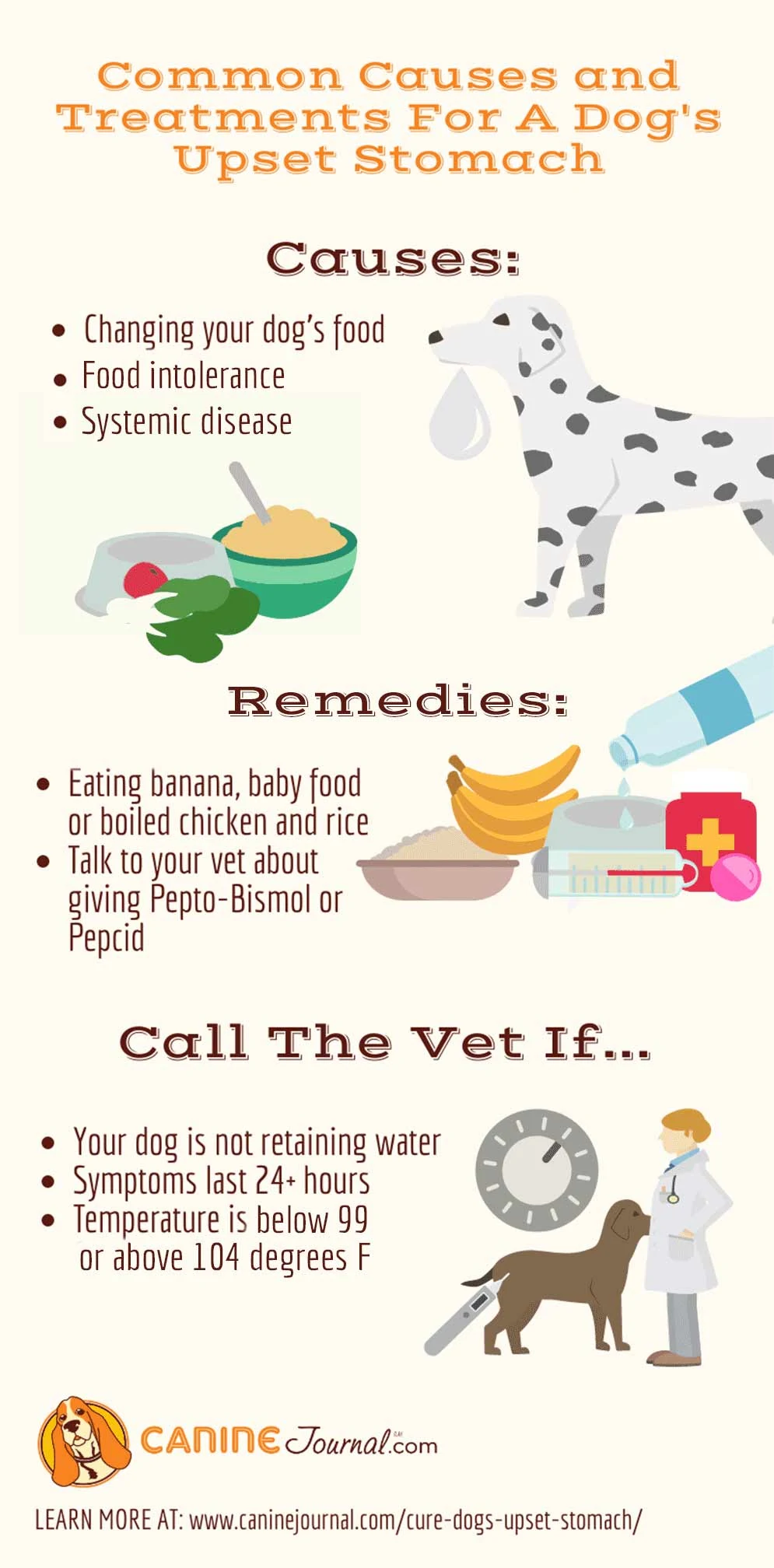
An upset stomach in dogs is a common concern for pet owners, characterized by a disruption in their gastrointestinal tract. While often a temporary issue, it can sometimes indicate a more serious underlying health problem. This guide aims to provide comprehensive information on the causes, symptoms, diagnosis, treatment, and prevention of upset stomachs in dogs, drawing on expert veterinary advice.
What Constitutes an Upset Stomach in Dogs?
An upset stomach, medically termed gastroenteritis when inflammation or irritation of the stomach or intestinal tract is present, arises from an abnormality within the digestive system. This system includes the esophagus, stomach, liver, gallbladder, pancreas, intestines, rectum, and anus. Symptoms of an upset stomach are typically transient, resolving within a day or two. However, persistent symptoms lasting longer than 48 hours necessitate veterinary attention, as they may signal a more significant health concern. In severe cases, such as hemorrhagic gastroenteritis, characterized by blood in vomit or stool, immediate veterinary intervention is crucial, as untreated conditions can be fatal.
Recognizing the Symptoms of a Dog’s Upset Stomach
Common indicators of an upset stomach in dogs include:
- Vomiting
- Diarrhea
- Loss of appetite
- Lethargy
- Abdominal pain (indicated by a hunched posture or reluctance to be touched)
- Excessive drooling
- Belching or flatulence
Exploring the Diverse Causes of Upset Stomachs in Dogs
The reasons behind an upset stomach in dogs are numerous and varied, ranging from dietary indiscretions to serious systemic diseases. Puppies and senior dogs are particularly vulnerable due to weaker immune systems. Common causes include:
- Bacterial or viral infections: Pathogens can directly irritate the digestive tract.
- Parasites: Intestinal worms can cause significant gastrointestinal distress.
- Medications: Certain drugs can have side effects impacting the stomach.
- Dietary Factors:
- Sudden changes in food or treats.
- Ingesting table scraps or inappropriate human foods. Table scraps and human food can be particularly problematic.
- Eating too quickly.
- Foreign Material Ingestion: Swallowing non-food items can lead to blockages or irritation.
- Toxin Ingestion: Accidental consumption of poisons, household chemicals, or certain plants. Toxin ingestion requires immediate veterinary care.
- Underlying Diseases: Conditions affecting the liver or kidneys, such as liver disease or kidney disease, can manifest with gastrointestinal symptoms.
- Gastrointestinal Issues: Ulcers in the stomach or intestines, inflammatory bowel disease, or pancreatitis are significant causes.
- Food Allergies or Sensitivities: Dogs can develop adverse reactions to specific ingredients. Food allergies require careful dietary management.
- Cancer: Various forms of cancer can affect the digestive system. Cancer in dogs needs prompt diagnosis and treatment.
- Heatstroke: Overheating can lead to systemic distress, including gastrointestinal upset. Heatstroke is a medical emergency.
- Stress: Emotional distress can also manifest physically with digestive symptoms. Stress management is important.
Veterinary Diagnosis: Uncovering the Root Cause
When a dog presents with an upset stomach, a veterinarian will conduct a thorough physical examination and review the pet’s medical history. Honesty regarding any new foods, treats, potential toxins, or medications ingested is vital. Bringing a fresh stool sample for parasite testing is often recommended, alongside any packaging from suspected toxic substances.
Diagnostic tests may include:
- Blood work: A complete blood count (CBC) and chemistry panel help assess overall health and identify organ dysfunction.
- Fecal screening: To detect abnormal bacteria or parasites.
- Urinalysis: To evaluate kidney function and detect other issues.
- Abdominal X-rays or Ultrasound: To visualize internal organs, check for foreign objects, or assess structural abnormalities.
Further, more specific tests might be performed based on initial findings, such as testing for parvovirus, pancreatitis, or salmonellosis. Advanced diagnostics like endoscopy, exploratory surgery, or a biopsy of the GI tract may be necessary if symptoms persist and initial tests are inconclusive.
Tailoring Treatment for Upset Stomachs in Dogs
Treatment strategies are contingent on the duration and underlying cause of the upset stomach. For mild cases lasting less than 48 hours, with no blood in vomit or stool, and the dog remains active and eating, at-home management may be sufficient. This can involve feeding small amounts of a bland diet, such as boiled chicken and white rice. Commercial gastrointestinal diets, like Blue Buffalo Natural Veterinary Diet Gastrointestinal Support, can also be beneficial. Adding fiber through canned 100% pumpkin puree or probiotics may help.
For persistent symptoms or more severe signs, veterinary treatment is essential. This can range from oral medications to intensive care, including:
- IV fluids: To combat dehydration.
- Antibiotics: For bacterial infections or diarrhea.
- Antinausea medication: Such as Cerenia, to control vomiting.
- Probiotics and fiber supplementation: To support gut health.
- Pain medication: For discomfort management.
- Plasma or blood transfusions: In severe cases.
- Deworming or antiparasitic medications: To address parasitic infections. Deworming is crucial for parasite control.
- Veterinary diets: Such as a hydrolyzed or novel protein diet for suspected food allergies.
In some instances, a period of fasting may be recommended to rest the digestive system, or a feeding tube might be necessary. Surgical removal of foreign objects is required for obstructions. For toxin ingestion, veterinarians may induce vomiting or administer activated charcoal.
Recovery and Long-Term Management Strategies
Recovery times vary from a few days to several weeks, depending on the cause. Chronic conditions like inflammatory bowel disease require lifelong management involving medication, probiotics, fiber, and specialized gastrointestinal diets. During recovery, ensure ample rest, gentle exercise, and consider a slow feeder bowl if the dog eats too quickly.
Preventive Measures for Upset Stomachs
Preventing upset stomachs involves careful feeding practices. Feed only the recommended portion of regular dog food and avoid giving table scraps, especially high-fat or toxic foods. When changing diets, consult your veterinarian and transition gradually over seven to 10 days. If your dog frequents dog parks or daycares, consider wiping their paws before they lick them to minimize ingestion of microbes.
Upset stomachs are a common but often manageable issue in dogs. While some cases resolve with home care, others require prompt veterinary diagnosis and treatment. Consulting with your veterinarian is always the best course of action to ensure your canine companion receives the appropriate care to feel better.
Disclaimer: This information is for educational purposes only and does not constitute veterinary advice. Always consult with a qualified veterinarian for any health concerns or before making any decisions related to your pet’s health or treatment.
