
It can be a stressful situation when you realize you’ve run out of your dog’s regular food. Whether it was an oversight in your shopping or the usual brand is out of stock, knowing what safe alternatives to offer is crucial for your canine companion’s well-being. This guide provides a list of safe, readily available ingredients that can help tide your dog over until you can replenish their usual diet. Remember, these are emergency solutions and not a replacement for a balanced, complete dog food. Always prioritize low-salt, low-fat options and be aware of any specific dietary needs or allergies your dog may have.
Safe Emergency Meal Options for Your Dog
When faced with an empty dog food bag, a quick and nutritious meal can be prepared using common household ingredients. The key is to stick to plain, unseasoned, and additive-free options. Here are some safe choices:
- Cooked Vegetables: Plain mashed or chopped cooked potato, sweet potato, swede, broccoli, carrots, peas, green beans, parsnips, cauliflower, and cooked sweetcorn are all good options.
- Lean Meats: Ensure any meat is cooked, boneless, unsalted, and lean. Chicken, beef, or turkey are suitable.
- Fruits: In moderation, fruits like bananas, blueberries, strawberries, and apples (core and seeds removed) can be offered.
- Other Safe Options: Additive-free cooked, tinned, or pureed pumpkin is beneficial. Plain, cooked porridge made with water can also be given. For a little extra flavor or to entice a picky eater, a small amount of onion-free gravy or xylitol-free peanut butter can be used sparingly.
Combining several of these ingredients can help satisfy your dog’s hunger and provide essential nutrients. For instance, a mix of cooked chicken and mashed sweet potato offers protein and carbohydrates. If your dog has an upset stomach, a vet might even recommend a small portion of plain, cooked white rice along with plain, unseasoned cooked chicken.
Can Dogs Eat Cat Food?
While it might seem like a quick fix, feeding your dog cat food is not recommended. Cat food is formulated with the specific nutritional needs of carnivores in mind. Dogs, being omnivores, require a different balance of nutrients. Although a small, accidental taste of cat food is unlikely to cause serious harm, feeding it as a meal can lead to digestive issues like diarrhea and vomiting. In more severe cases, it can even trigger pancreatitis, a dangerous inflammation of the pancreas. What foods must dogs never eat includes many ingredients that might be found in cat food but are unsuitable for dogs.
Can Dogs Eat Eggs?
Cooked or boiled eggs are generally safe for dogs and can be a good source of protein. However, it’s crucial that eggs are plain, fully cooked, and free from eggshells. Avoid adding any seasonings, butter, or oils. Scrambled, boiled, dry-fried, poached, or baked eggs (without harmful additives) are acceptable options. Raw eggs should be avoided due to the risk of bacterial contamination and potential nutritional deficiencies.
Foods to Strictly Avoid
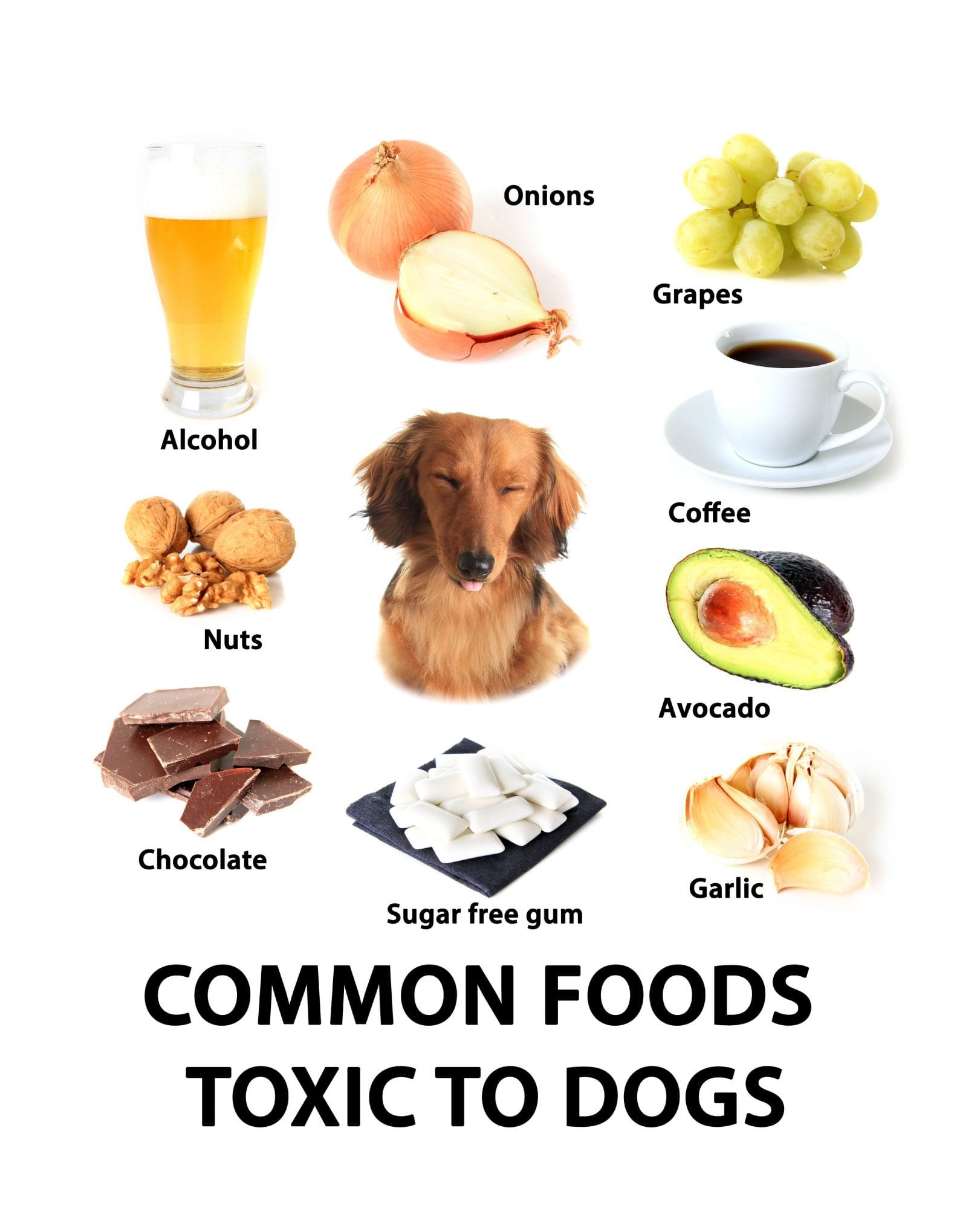
It’s just as important to know what not to feed your dog during these emergency situations. Many common human foods are toxic or harmful to dogs. Always avoid:
- High-Fat and Processed Foods: Fatty meats, meat skin, crisps, crackers, cakes, pies, pastries, sweets, sauces, and dairy products can cause digestive upset or more serious health problems.
- Toxic Ingredients: Onions, garlic, chives, grapes, raisins, sultanas, macadamia nuts, avocado, and xylitol are particularly dangerous.
- Choking and Blockage Hazards: Cooked bones and corn on the cob can splinter or cause intestinal blockages.
- Seasonings and Sweeteners: Salt, sugar, alcohol, caffeine, and artificial sweeteners should never be given to dogs.
Understanding what can you give your dog to stop eating poop highlights the importance of a balanced diet and avoiding non-food items. Similarly, knowing what foods can you give your dog in general can help you make better emergency choices. Always be mindful of quantities and return to your dog’s regular, balanced food as soon as possible. If you have any concerns about your dog’s diet or health, consulting with a veterinarian is always the best course of action. For further guidance on general feeding, consider resources like what can i give my dog to make her eat or what should i not feed my puppy to ensure you’re providing the best care.
References
- DogCareStory.com – Various articles on dog nutrition and safety.
