
When your canine companion experiences gastrointestinal distress, their digestive system needs gentle support. A bland diet is specifically designed to be easily digestible, helping to soothe an upset stomach and aid in recovery. This guide will explore what constitutes a bland diet for dogs, the benefits of commercially available options versus homemade preparations, and how to determine the best approach for your furry friend’s sensitive stomach.
A bland diet serves as a palatable and easily digestible food option for dogs who are not feeling well. The digestive system requires nutrients to combat symptoms of stomach upset, and bland diets ensure that sick pups can still receive nourishment. These diets can be prepared at home or purchased commercially as kibble or wet food. Bland diets for dogs suffering from gastroenteritis should possess certain attributes, depending on the specific symptoms or underlying diagnosis.
Key Attributes of a Bland Diet for Dogs
A well-formulated bland diet prioritizes digestibility, appropriate fat content, sufficient fiber, and sometimes, hypoallergenic or calorically dense properties to meet a dog’s specific needs during recovery.
Highly Digestible Ingredients
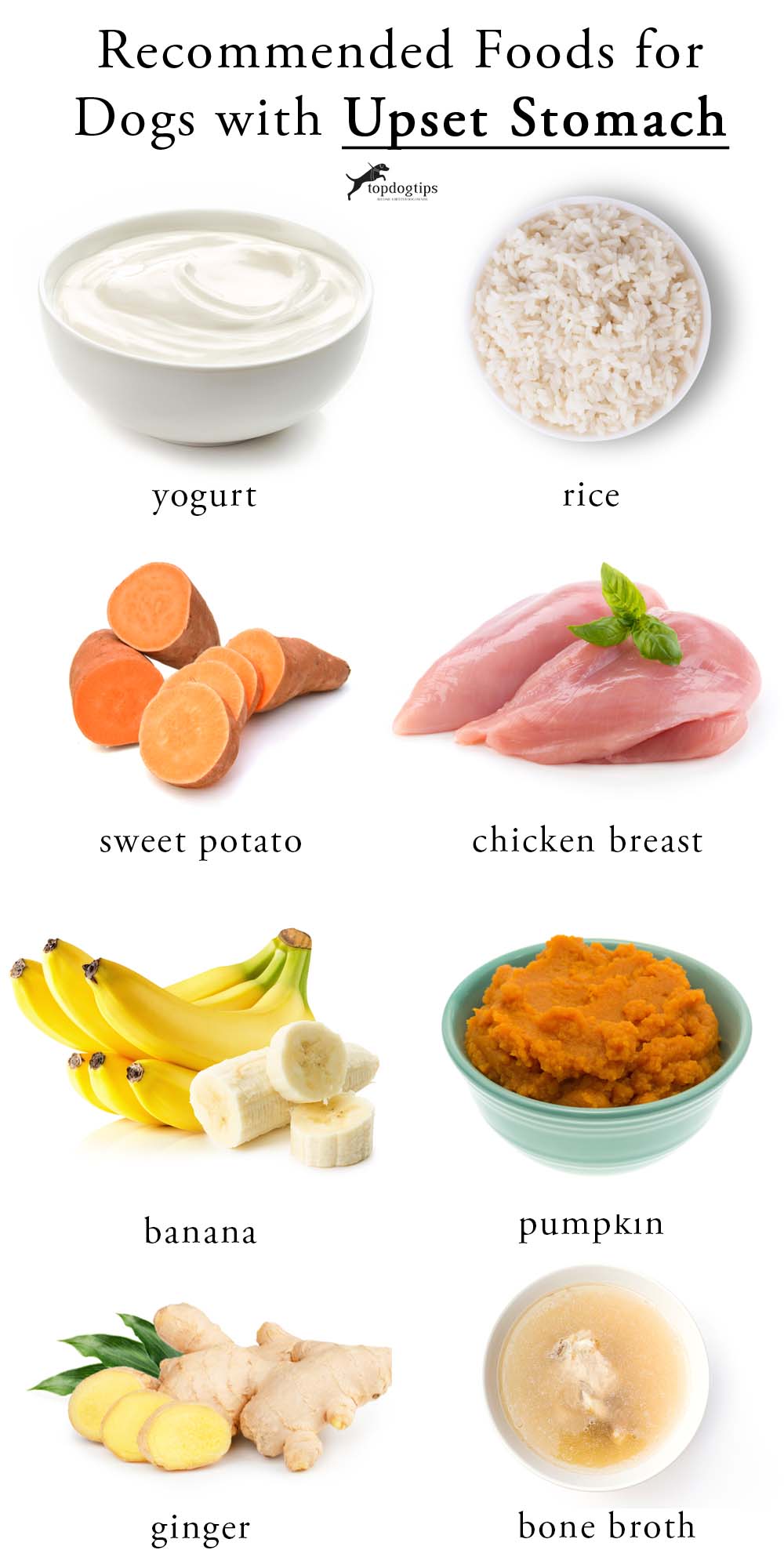
Highly digestible foods facilitate the easy absorption of essential nutrients. Opting for high-quality ingredients and avoiding over-processed foods is crucial. Even kibble can be highly digestible if it is specifically labeled for dogs with gastroenteritis, such as Hills® i/d Digestive Care or Royal Canin® Gastrointestinal. Common lean proteins like chicken, turkey, cottage cheese, and lean ground beef are often well-tolerated by dogs with an upset stomach. These are generally easier to digest than proteins the dog’s system may not be accustomed to. Carbohydrates such as plain white rice, potato, brown rice, barley, or whole wheat pasta are frequently incorporated. These carbohydrates help add bulk to the diet and can assist in firming up stools in dogs experiencing diarrhea. While not always necessary, some fresh vegetables, like pumpkin, can provide beneficial fiber. It is paramount that all ingredients in a homemade bland diet are free from added sodium or seasoning.
Low-Fat Content
Low-fat foods are particularly beneficial for dogs dealing with an upset stomach due to conditions like pancreatitis or chronic gastrointestinal disease. Once a dog shows a positive response to these low-fat diets, continuing them can help prevent relapses.
Adequate Fiber
High-fiber foods aid the digestive system by promoting regular movement within the gastrointestinal tract. These are excellent for dogs experiencing diarrhea or other related issues.
Hypoallergenic or Novel Protein Diets
For dogs whose stomach upset stems from a food allergy, hypoallergenic or novel protein diets can be effective. These diets introduce a new protein source that the dog’s immune system has not previously encountered, often utilizing less common meats like rabbit or venison. Hydrolyzed diets, where proteins are broken down into smaller components, are also an option. Examples include Hills d/d and Royal Canin Selective Protein limited ingredient diets.
Calorically Dense Options
Calorically dense, or high-energy, foods are vital for dogs recovering from significant illness, surgery, or any condition that impacts their appetite. Canned food diets such as Hills a/d Urgent Care or Royal Canin Recovery are designed so that a small volume provides the necessary energy for the day, which can help mitigate symptoms like vomiting.
Veterinary Prescribed Diets vs. Homemade Bland Diets
Historically, homemade diets like chicken and rice were the go-to for canine gastrointestinal issues. However, advancements in veterinary nutrition have led to the development of excellent commercial bland diets. While a homemade chicken and rice diet is still an option, commercially prepared prescription diets often offer a more complete and balanced nutritional profile, including essential vitamins and minerals. These veterinary diets are formulated for blandness and can be safely fed long-term for chronic gastrointestinal issues, potentially for a dog’s entire life. In contrast, prolonged feeding of homemade diets can lead to nutritional deficiencies and potentially create food aversions when the dog eventually transitions back to their regular food. For short-term use (days to weeks) or to encourage appetite, homemade bland diets are safe and viable options, provided they are administered under veterinary guidance.
What Constitutes the Best Diet for Dogs with Sensitive Stomachs?
Dogs with sensitive stomachs, often not linked to a specific medical condition, may experience frequent vomiting, diarrhea, or a reduced appetite after consuming something new or inappropriate, such as ingesting trash. Sensitive stomachs are common in puppies and senior dogs due to potentially weaker immune systems but can affect dogs of any age. The most beneficial dog foods for sensitive stomachs typically contain highly digestible proteins and carbohydrates, complemented by added fiber and probiotics to support gut health.
Feeding Your Dog During a Bland Diet Period
Encouraging a dog with an upset stomach to eat can sometimes be challenging. To make meals more enticing, consider these methods: hand-feeding, providing a quiet feeding environment, soaking the food in water, syringe-feeding, adding low-fat, low-sodium broth, or incorporating a lean meal topper, pumpkin, or probiotics. Always consult your veterinarian before adding anything to your dog’s food, as even beneficial additions can sometimes cause further upset. Your vet might also suggest feeding smaller, more frequent meals throughout the day. When preparing a homemade bland diet, discuss appropriate portion sizes with your veterinarian.
Duration of a Bland Diet for Dogs
The length of time a dog needs to be on a bland diet depends on the underlying cause of their gastrointestinal upset and their recovery speed. If symptoms resolve quickly, usually within 48 hours, they can typically return to their regular diet. If symptoms persist beyond 48 hours, veterinary consultation is recommended. Your vet may advise continuing the bland diet for a few days after symptoms disappear. For diagnosed underlying medical conditions, the bland diet will likely be a long-term or lifelong necessity.
Additional Support for Dogs with Upset Stomachs
If your dog’s symptoms are severe or they are refusing to eat, hospitalization for supportive care, including intravenous fluids and anti-nausea medication, may be beneficial. Offering probiotics can help restore the natural balance of beneficial bacteria in the digestive system, which is often depleted during bouts of diarrhea. A fiber supplement can also help improve stool consistency. Ensure your dog remains adequately hydrated and consider keeping a food journal to track intake and symptoms, which can be invaluable information for your veterinarian. It is crucial to limit treats and table scraps during this period, as they can exacerbate gastrointestinal upset. With time, attentive care, and nutritional support via a bland diet, your dog should recover and feel better soon.
