
Giving your dog bones can offer a variety of nutritional, health, and behavioral benefits. Bones are a natural source of essential minerals, vitamins, and amino and fatty acids that contribute to your dog’s overall well-being. Understanding the benefits and risks associated with feeding bones is crucial for responsible pet ownership.
Nutritional Powerhouse: What Bones Offer Your Dog
Bones are packed with nutrients vital for a dog’s health. They provide:
- Protein: Essential amino acids found in bones support healthy skin and fur, muscle development, and tissue repair.
- Calcium Phosphate: Crucial for bone growth, this mineral aids the skeletal system in regeneration and adaptation.
- Magnesium: This mineral supports muscle function and is particularly important for maintaining a healthy heart.
- Phosphorus: Essential for bone structure, cell structure, and energy production within cells.
- Marrow: Rich in collagen, iron, and vitamin B, marrow contributes to healthy joints, skin, coat, digestion, and provides energy for an active life.
- Vitamin D and Glucosamine: These work together to support a healthy digestive system, helping to prevent issues like leaky gut and poor gut function.
Health Benefits of Bones for Canine Companions
Beyond nutrition, bones play a significant role in maintaining your dog’s physical health:
- Healthy Gums and Teeth: For dogs that dislike teeth brushing, chewing on raw meaty bones acts as a natural floss and cleaner. Ripping off pieces of gristle and cartilage helps to clean their teeth effectively.
- Digestive Cleansing: Raw bone has a beneficial cleansing effect on the digestive tract. It encourages healthy fecal movements, which in turn support the proper function of anal glands.
- Jaw Workout: The act of chewing and gnawing on raw bones provides excellent natural exercise for your dog’s jaw muscles.
Behavioral Advantages of Bone Chewing
Chewing is an innate behavior for dogs, and allowing them to express this natural instinct is vital for their mental well-being.
- Mental Stimulation: Engaging in chewing releases endorphins, which have a calming effect on dogs. This heightened sense of pleasure helps them feel happy and can reduce anxiety.
Can Dogs Digest Bones?
Dogs accustomed to a raw diet often digest small bone fragments more easily due to a lower stomach acid pH, which is more conducive to bone digestion. However, most dogs can struggle with larger bone pieces, which may lead to constipation or impaction if they build up in the intestine.
The Crucial Difference: Cooked vs. Raw Bones
Never give dogs cooked bones. The cooking process alters the bone’s consistency, making it brittle and prone to splintering. This can cause serious injury to your dog’s mouth, throat, and intestines. Cooking also diminishes the nutritional value and makes bones harder to digest, increasing the risk of blockages. If you suspect your dog has ingested a cooked bone, contact your veterinarian immediately.
Always give dogs raw bones with meat attached. While there’s a small risk of salmonella with raw bones, freezing them for a couple of days can mitigate this risk and inhibit bacterial growth. Sourcing meat from reputable UK suppliers further minimizes the risk of parasites.
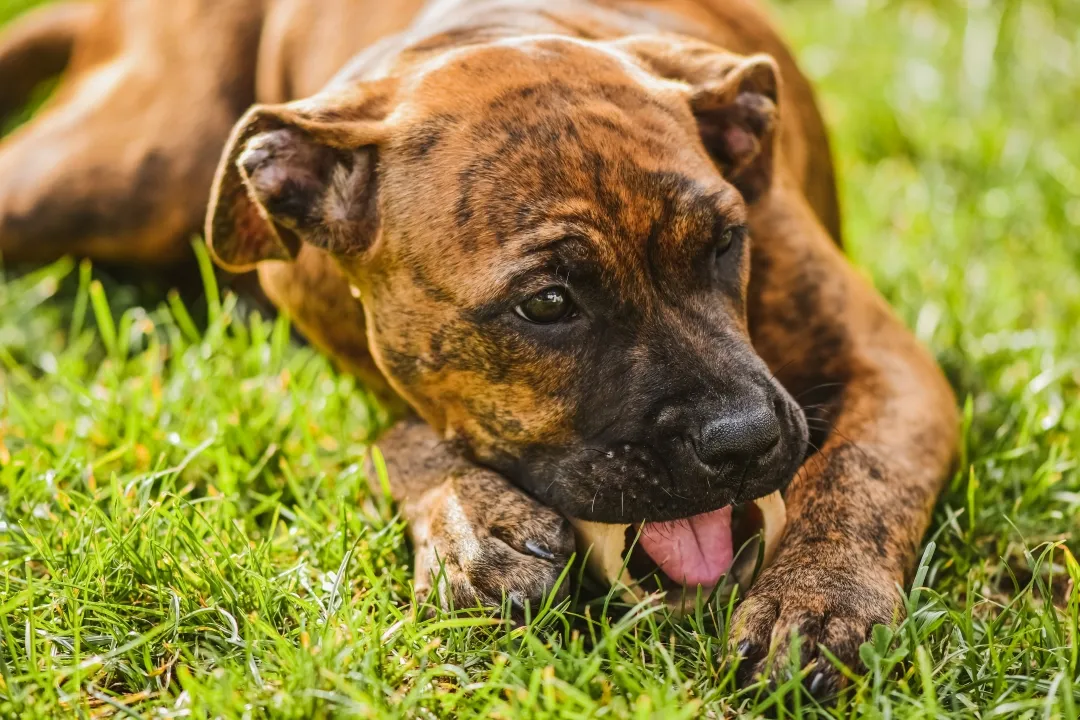 Dog is eating a bone
Safely Feeding Bones to Your Dog
To ensure a safe bone-feeding experience, always:
- Supervise: Never leave your dog unattended while they are chewing on bones.
- Choose Raw and Meaty: Opt for fresh, raw bones that are covered in flesh. Avoid shop-bought or leftover cooked bones, as they can easily shatter.
- Select the Right Size: Ensure the bone is appropriate for your dog’s size and breed.
Can You Leave a Dog Alone with Bones?
No, never leave your dog alone with a bone. Depending on the bone’s size, they could swallow it whole or break off a piece that gets lodged. If a piece of the bone starts to break away or becomes too small, be prepared to take it from your dog. Offering a high-value treat in exchange can help prevent resource guarding. If the bone is still in good condition, wrap it and refrigerate it for another chew session in a couple of days.
When Can Puppies Start Eating Bones?
Once puppies begin developing teeth, they can be introduced to soft, chewable bones like chicken wings or the necks of chickens and ducks. Initially, they may just mouth these bones, still deriving benefits for their eye-mouth coordination and learning how to chew. As they approach six months and their adult teeth develop, more rigid bones can be introduced. However, extremely hard bones, such as a cow’s leg bone, can damage teeth and gums.
Safe Bone Options for Different Dog Sizes
- Small dogs and puppies: Chicken necks, Duck feet, Chicken wings.
- Medium dogs: Duck necks, Chicken thighs, Turkey wings, Chicken carcass.
- Large dogs: Lamb ribs, Lamb neck pieces, Venison ribs.
- Extra-large dogs: Venison neck, Turkey neck, Chicken/Duck carcass, Lamb ribs.
Bones to Avoid
Certain bones pose significant risks to dogs:
- Weight-bearing bones: Cow and pig leg bones are extremely hard and designed to support immense weight, potentially breaking a dog’s teeth.
- Bone marrow rings: While nutritious, the hard ring can get stuck in a small dog’s teeth or lead to dental damage as larger dogs try to break them.
- Sharp-edged bones: Bones cut with sharp blades can have jagged edges that may injure your dog’s mouth.
Understanding the Risks of Feeding Bones
Cooked bones and small raw bones can be choking hazards. Always select a bone size appropriate for your dog. Extra-hard bones can fracture teeth and cause oral damage.
Some dogs may experience dry, crumbly stools or constipation due to the high calcium content. Increasing insoluble fiber through steamed leafy vegetables or pureed pumpkin can help. If constipation is a known issue, consider replacing some of their regular food with plain mince on bone-feeding days. Vomiting bile containing bone fragments can occur if a dog over-digests. In such cases, opt for smaller bones or limit chewing time. For dogs with food sensitivities, ensure the ground bone in their meal comes from the same animal as the meat.
What to Do If Your Dog Chokes on a Bone
If your dog’s airway is partially blocked, they may retch, pace, paw at their mouth, or exhibit blue gums and tongue. A fully blocked airway will prevent them from making noise.
To help a choking dog:
- Gently try to remove any visible obstruction from the back of their throat with your fingers, but only if your dog is responsive, as they may bite if agitated.
- For objects lodged further back, perform the Heimlich maneuver:
- On their back: Apply quick, strong thrusts to the widest part of the chest. Check the throat for the object.
- For larger dogs: Position yourself behind the dog, lift their front legs off the ground, make a fist, and push firmly up and forward just behind the rib cage.
If the object doesn’t dislodge, seek veterinary attention immediately.
Adding Bones to Your Dog’s Raw Food Diet
Commercial raw food diets, like those from Bella & Duke, are carefully balanced with meat, offal, bone, and superfoods, eliminating the need to add extra bone. However, bones can still be given as a beneficial chew or treat.
It’s recommended that bone constitutes about 10% of a dog’s raw food diet. Whole bones with meat attached can make up around 30% of their intake. Bella & Duke’s meals incorporate ground animal bones, with chicken and duck meals using minced whole birds, providing essential calcium, phosphorus, and other vital nutrients.
Bone Alternatives for Dogs
If bones are not suitable for your dog, consider bone broth. You can make it from leftover bones or purchase ready-made options. Bone broth is a nutrient-rich topper that supports bone structure and the immune system. For further information on dog nutrition and safe food choices, resources like what human food is good for dogs to eat and what meat can t dogs have can provide valuable insights. You might also explore what cooked vegetables are good for dogs to supplement their diet.
