
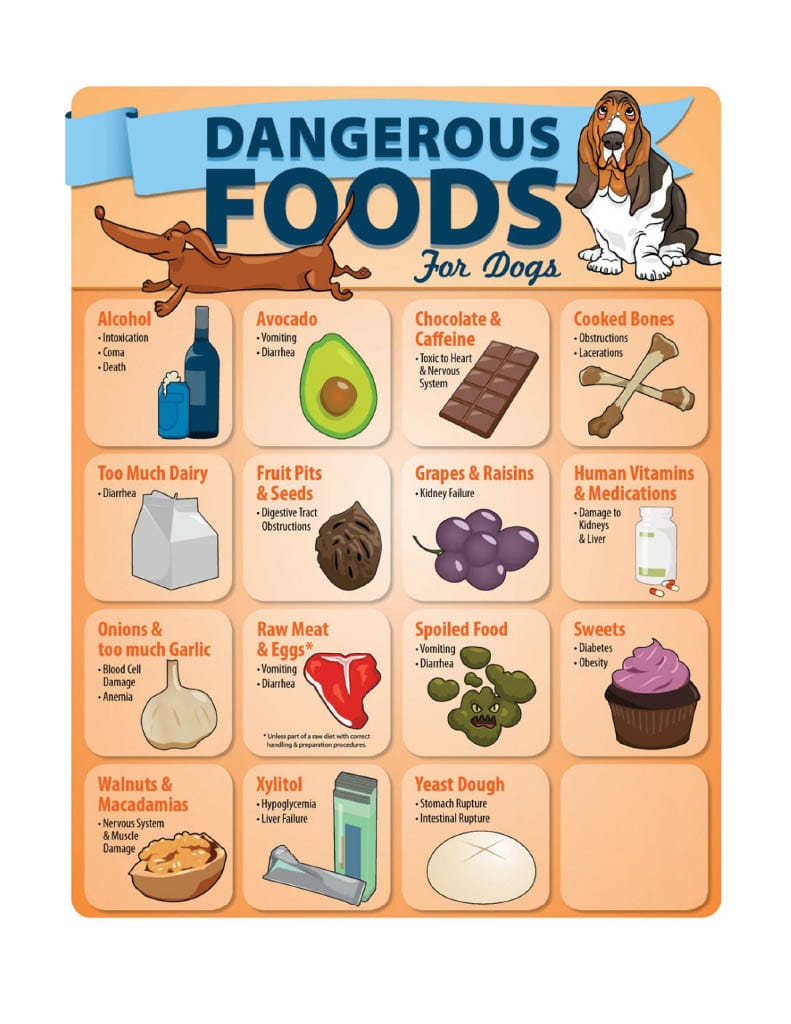
As a loving pet owner, you might find yourself tempted to share your meals with your canine companion. While some human foods are safe for dogs in moderation, many others can pose serious health risks, ranging from mild digestive upset to life-threatening conditions. It’s crucial to understand which common foods should be kept strictly away from your dog’s reach to ensure their well-being.
Foods That Are Toxic for Dogs
If your dog has ingested any of the following toxic items, immediate veterinary attention is necessary.
Chocolate, Coffee, and Caffeine
These products contain methylxanthines, which are highly toxic to dogs. Ingesting them can lead to a range of severe symptoms, including vomiting, diarrhea, hyperactivity, abnormal heart rhythms, tremors, seizures, and even death. The darker the chocolate, the higher the concentration of methylxanthines, making baking chocolate particularly dangerous. If your dog eats chocolate, coffee, or any caffeine-containing product, contact your veterinarian immediately.
Xylitol
This artificial sweetener, commonly found in sugar-free gum, candies, toothpaste, and some baked goods, is extremely toxic to dogs. Xylitol can trigger a rapid release of insulin, leading to a dangerous drop in blood sugar (hypoglycemia) and potential liver failure. Symptoms include vomiting, seizures, lethargy, and loss of coordination.
Macadamia Nuts
While a delightful snack for humans, macadamia nuts can cause significant distress in dogs. Even a small amount can result in weakness, vomiting, tremors, depression, and an elevated body temperature. The exact toxic component is still unknown, making it best to avoid them entirely.
Grapes and Raisins
Grapes and raisins are notorious for their ability to cause acute kidney failure in dogs, a condition that can be fatal. The specific toxin responsible has not been identified, and unfortunately, some dogs who have eaten grapes safely in the past may react severely upon subsequent exposure. It is safest to consider all grapes and raisins toxic.
Garlic, Onions, and Chives
Belonging to the Allium family, garlic, onions, chives, and leeks contain compounds that can damage a dog’s red blood cells. This damage can lead to a type of anemia known as Heinz body anemia, characterized by weakness, intolerance to exercise, vomiting, diarrhea, abnormal heart and respiratory rates, red-colored urine, collapse, and even death. While cats are more sensitive, dogs can also be severely affected.
Alcohol
Alcoholic beverages and products containing alcohol are highly dangerous for dogs. Even small amounts can cause vomiting, diarrhea, difficulty breathing, loss of coordination, tremors, coma, and death. It’s essential to keep all alcoholic substances well out of your dog’s reach.
Yeast Dough
While fully baked bread is generally safe, raw yeast dough can be extremely hazardous. The yeast ferments in the dog’s stomach, producing large amounts of gas that can lead to painful bloating and a life-threatening condition called gastric dilatation-volvulus (GDV), or bloat. Furthermore, the fermentation process also produces ethanol, which can cause alcohol poisoning.
Other Foods That Are Dangerous for Dogs
Beyond outright toxins, certain human foods can cause health problems for dogs, even if they aren’t considered poisonous. These should also be avoided or given with extreme caution.
Milk and Dairy Products
Many dogs are lactose intolerant, meaning they lack the enzyme lactase needed to digest the sugar in dairy products. Consuming milk and other dairy items can lead to gastrointestinal upset, including vomiting and diarrhea. High-fat dairy products can also trigger pancreatitis, a painful and potentially fatal inflammation of the pancreas.
Salt and Salty Snacks
While a small amount of salt is unlikely to harm most dogs, excessive salt intake can be toxic. It can lead to increased thirst and urination, vomiting, diarrhea, and depression. In severe cases, it can cause tremors, seizures, and death, especially in dogs with pre-existing heart or kidney conditions, or those prone to high blood pressure.
Raw Meat, Raw Eggs, and Bones
Feeding raw meat and eggs carries a risk of bacterial contamination with pathogens like Salmonella and E. coli, which can make both dogs and humans sick. Raw eggs also contain avidin, an enzyme that can interfere with the absorption of biotin, a B vitamin, potentially leading to skin and coat problems. Bones, while seemingly natural, can splinter and cause choking, intestinal blockages, or dangerous perforations of the digestive tract.
Citrus
The essential oils found in citrus fruits, particularly in the peels, seeds, and leaves, can cause gastrointestinal irritation and central nervous system depression in dogs if consumed in large quantities. While an occasional small piece of orange or lemon is unlikely to cause harm, they should not be a regular part of your dog’s diet.
Coconut and Coconut Oil
Small amounts of coconut products are generally not considered seriously harmful, but they can cause digestive upset and diarrhea due to their fat content. Coconut water is high in potassium, which could be problematic for dogs with heart or kidney issues.
Nuts
Many nuts are high in fat and oils, which can lead to vomiting, diarrhea, and even pancreatitis. While some nuts are outright toxic (like macadamia nuts and black walnuts), others like almonds and pecans should be avoided due to their high fat content. Any nuts fed to dogs should be done so sparingly and with thorough research into their safety.
What Foods Can Dogs Eat?
When sharing human food with your dog, always do so in moderation, ensuring it constitutes no more than 10% of their daily caloric intake. It’s also wise to consult your veterinarian before introducing new foods. Some generally safe options include:
- Cooked lean meats (chicken, turkey, beef)
- Certain cooked vegetables (carrots, green beans, pumpkin)
- Some fruits (apples without seeds, blueberries, watermelon without seeds)
- Plain rice or oatmeal
Remember that a high-quality commercial dog food is specifically formulated to provide complete and balanced nutrition for your dog. Over-reliance on human foods can disrupt this balance and lead to nutritional deficiencies. Always prioritize your dog’s health and safety by being mindful of what they consume.
