
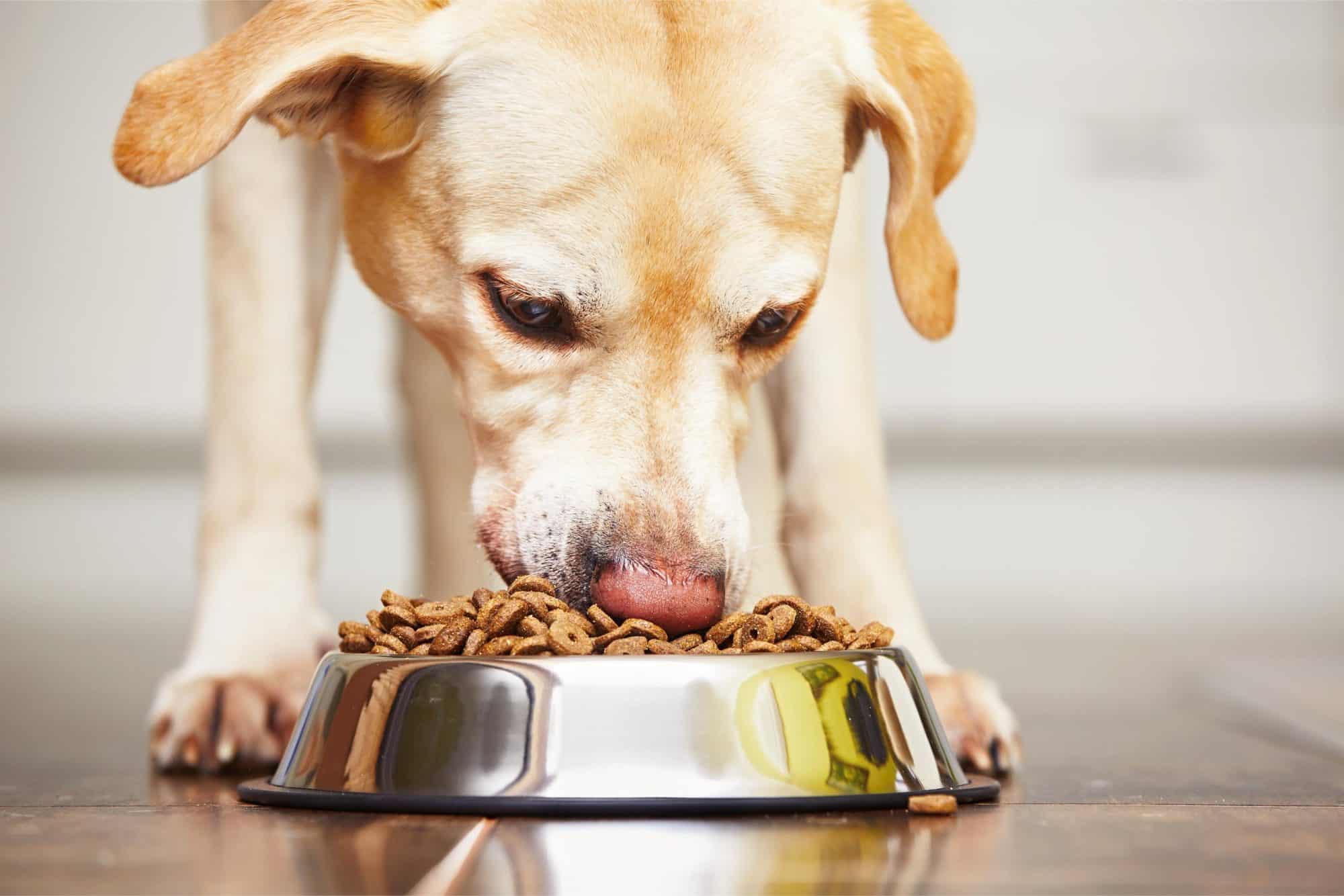
Understanding what are the foods that dogs should not eat is crucial for any responsible pet owner. While the bond between humans and dogs often leads to a desire to share our meals, it’s imperative to recognize that our dietary needs and sensitivities differ significantly. Certain foods that are harmless or even beneficial to us can be incredibly toxic to our canine companions. This article delves into the intricate world of canine nutrition, outlining the specific foods that should be avoided and exploring the underlying reasons why these seemingly simple precautions are essential for guaranteeing the long-term health and well-being of our beloved pets.
We will explore not only the specific foods that are harmful but also the cultural implications of feeding habits and responsible pet ownership practices, aiming to establish a deeper understanding of the unique dietary requirements of our furry friends, fostering a stronger, healthier, and more compassionate human-animal bond.
Introduction to Canine Nutrition
The relationship between humans and dogs is a unique and enduring one that has evolved over millennia. Understanding the nuances of canine nutrition is not just a matter of keeping our furry companions healthy, but also a demonstration of the deep respect and connection we share with them. For many of us, dogs are integral members of our families, their loyalty and companionship enriching our lives in countless ways. However, this bond can lead to unintentional harm if we are not fully aware of the specific dietary needs of our canine friends.
Importance of Understanding Dog Diets

Providing a balanced and appropriate diet is the foundation of a dog’s overall health and well-being. Just like humans, dogs require a specific balance of macronutrients (proteins, fats, and carbohydrates) and micronutrients (vitamins and minerals) to support their growth, development, and overall bodily functions. A healthy diet translates to a happy and energetic pup, contributing to a strong immune system, healthy skin and coat, and robust organ function. Conversely, a diet comprised of unhealthy or inappropriate foods can put our furry friends at risk, leading to a range of health issues, from mild digestive upset to severe organ damage and even death.
Understanding the intricacies of dog digestion is critical to choosing the right food. Dogs and humans have evolved differently, resulting in distinct digestive systems and nutritional needs. For example, certain enzymes that are present in human digestive systems are absent in dogs. These enzymes are responsible for the breakdown and digestion of specific components of human food, making those components difficult for a dog to digest. Their digestive system can struggle to process complex carbohydrates, resulting in digestive discomfort and, in severe cases, medical complications. The ability to fully incorporate nutrients, process toxins, and eliminate waste products is significantly impacted by these differences. There is a clear distinction between how a dog processes nutrients compared to how a human does. It’s essential to keep this in mind when deciding what to feed our dogs.
The Difference Between Human and Dog Digestion – what are the foods that dogs should not eat
The digestive systems of dogs and humans differ significantly, making what’s healthy for one species potentially harmful for the other. The differences stem from their evolutionary paths, with dogs developing digestive systems optimized for a meat-based diet, whereas humans are omnivores.
The stomach acidity of a dog is higher than in humans, which helps them digest raw meat and other tougher food items. However, this higher acidity can make some human foods, such as processed ingredients with refined carbs and sugary components, difficult to cope with. The length of their digestive tract is also optimized for breaking down meat products, leading to a more rapid digestion experience. Whereas humans can take hours to fully digest a meal, a dog can process it within a couple of hours, which can lead to potential complications if they aren’t tailored to properly process the specific foods that we provide.
Another notable difference lies in the presence of enzymes. Certain enzymes necessary to break down food efficiently are either absent or present in lesser quantities in the canine digestive system. This can cause digestive disturbances, as they may not be equipped to process some foods that humans can. In instances where a dog has difficulty processing nutritional components, they either won’t be able to fully reap the advantages or potentially experience detrimental complications.
Furthermore, certain plant-based components in human food can be harmful or even toxic to dogs. For example, many human foods contain legumes or beans that can generate gases and lead to intestinal issues in dogs. It is essential to choose foods that have minimal to no components that a dog’s system can have a hard time processing. They are not omnivores, and their digestion is not as accommodating as a human’s when it comes to more complex nutrients.
Understanding these differences is crucial for ensuring a long and healthy life for our furry companions. We must choose foods that are nutritionally tailored to their specific requirements, providing them with the necessary balance of nutrients and reducing the risk of exposure to potentially harmful or difficult-to-digest components. It is important to constantly research new aspects of canine nutrition to help improve our understanding of the foods that are best suited for your dog.
Common Foods That Are Toxic to Dogs
Many common human foods that seem harmless pose a serious threat to dogs. The unsuspecting nature of dogs and their tendency to readily accept treats from their human companions can lead to accidental poisoning if pet owners are not mindful of the potential dangers present in everyday food items. Some foods contain compounds that can disrupt cellular functions in dogs leading to various reactions within the body.
Chocolate: A Sweet Poison
Chocolate, a treat cherished by many humans, is a significant danger to dogs. It contains two substances, theobromine and caffeine, that dogs cannot metabolize effectively. Theobromine, a methylxanthine, is a chemical compound found in cacao beans that acts as a stimulant. The caffeine also contributes to the stimulant effects and can cause agitation, anxiety, and restlessness.
The toxicity levels of chocolate vary by type. Dark chocolate, often containing a higher percentage of cocoa solids, possesses the most significant risk, closely followed by semi-sweet chocolate and milk chocolate. The amount of chocolate that’s considered toxic depends on the size and breed of the dog, with smaller breeds generally being more susceptible to the adverse effects.
The effects of chocolate poisoning can range from mild to severe, depending on the quantity consumed. Mild symptoms might include restlessness, increased thirst, vomiting, and diarrhea. More severe cases can involve hyperactivity, tremors, seizures, an elevated heart rate, and ultimately, potential heart failure or death.
The severity of the condition greatly depends on the concentration of theobromine and caffeine in the chocolate, the amount that the dog has ingested, and the overall health of the animal. Even a seemingly small bite of some chocolate can lead to a health scare in smaller dogs. Always ensure that chocolate products of any type are out of reach for your canine friends. Educate your family and anyone who interacts with your dog to be aware of this specific hazard. While chocolate is a delightful treat for humans, it can be harmful to dogs. It’s important to keep it away from them to prevent accidental poisonings.
Onions and Garlic: Hidden Dangers in Flavoring
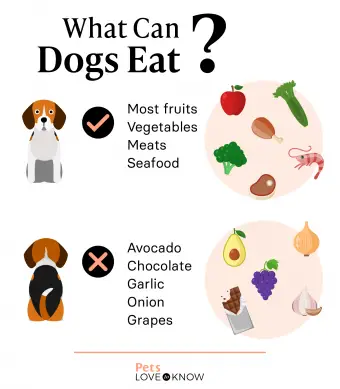
Onions and garlic are common ingredients in many cuisines, adding a distinct flavor to various dishes. However, these seemingly innocuous vegetables are harmful to dogs, due to the presence of compounds like N-propyl disulfide and thiosulphate. These compounds damage red blood cells in dogs, leading to a condition known as hemolytic anemia.
When dogs consume onions or garlic, their red blood cells are destroyed more quickly than they can be replaced, leading to anemia. This can result in a diminished ability to transport oxygen throughout the body, leading to tiredness, lethargy, and increased risk of infections. Other symptoms include pale gums, loss of appetite, panting, racing heart, dark-colored urine, and decreased energy.
The risk posed by onions and garlic depends on the quantity ingested and the size of the dog. Larger dogs may be more tolerant of small amounts, while smaller dogs are more vulnerable to the toxic effects. It’s advisable to avoid feeding any portion of onion and garlic to your dog. It’s also crucial to pay attention to the ingredients in various commercially prepared foods, as onions and garlic can be hidden in sauces, seasonings, or other ingredients. Many human foods contain these components that can be toxic to dogs.
The damage that these compounds cause can be cumulative over time. Meaning that small amounts may not cause immediate reactions, but if consistently consumed over time, the damage to the dog’s red blood cells will add up, increasing the potential for more harmful outcomes. Be mindful of any food you share with your dog and avoid all forms of these foods. Keep them as far away from your dog as possible to prevent any accidental consumption.
Grapes and Raisins: Unexpected Kidney Risks

Grapes and raisins, commonly used in snacks, desserts, and baked goods, can cause acute kidney failure in dogs. The exact toxin responsible for the harm is still being studied by scientists, but whatever the chemical is it’s extremely harmful to dogs. What makes this potentially lethal effect dangerous is that the dogs can be relatively fine up to a few days after having eaten the grapes or raisins but then rapidly deteriorate to the point of kidney failure.
The specific mechanism by which grapes and raisins lead to kidney failure is not fully understood, however, the symptoms of toxicity can appear suddenly and include vomiting, diarrhea, lethargy, abdominal pain, and increased thirst or urination. In severe cases, it can also lead to decreased urine production, tremors, and seizures.
The severity and appearance of symptoms vary from dog to dog. While some dogs may experience mild effects after ingesting a small amount of grapes or raisins, others may develop severe kidney injuries from relatively small quantities. Even a dog that feels relatively healthy can still develop acute kidney failure. It’s never worth the risk. It’s always better to refrain from feeding dogs any amount of grapes or raisins and err on the side of caution. There is no established treatment to reverse kidney failure caused by these foods.
It’s wise to keep grape-related products (like jelly, jam, or juice) out of reach of your dogs at all times. When baking or preparing meals, be particularly vigilant not to accidentally include grapes or raisins in the process. Remember, even a tiny amount can cause significant issues. If you suspect your dog has ingested grapes or raisins, seek emergency veterinary care immediately.
Avocado: Nutritional Benefits vs. Toxicity

Avocado is a nutrient-rich food that offers many benefits for humans. However, it’s a toxic food for dogs. Avocado contains a substance called persin, a fungicidal toxin that affects the dog’s heart and lungs.
The flesh, the pit, and the skin, all contain this component, and even small quantities can lead to vomiting and diarrhea in dogs. Interestingly, while the pit is typically the biggest danger, the skin and the flesh that has not become brown or ripe still contain persin. Therefore, all parts of the avocado should be kept away from dogs.
The exact effects of persin on dogs vary, but it is known to cause vomiting, diarrhea, and respiratory distress. In severe cases, it can lead to fluid buildup in the dog’s chest or abdomen, making the dog’s physical condition rapidly deteriorate. The pit of the avocado can also cause gastrointestinal distress and blockage if swallowed.
Ensure that your dog doesn’t gain access to any part of an avocado, especially if it is ripe and becoming brown on the outside. While this may seem like a minor issue, the toxicity of this seemingly harmless fruit can lead to serious health problems. Educate your family on the health risks of this plant and ensure that they don’t feed parts of the avocado to the dog.
Everyday Items to Avoid
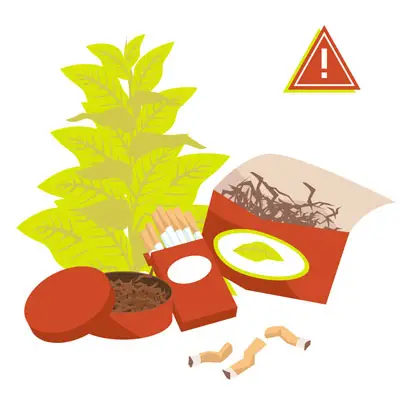
Beyond commonly recognized food items, certain everyday products used in the home can also pose risks to dogs, if ingested. It is important to educate yourself on the items that you use and keep them far from the reach of your canine companion.
Xylitol: The Sweetener That Can Kill
Xylitol is a sugar alcohol commonly used as a natural sweetener in sugar-free products like gum, candy, baked goods, and toothpaste. The human body can safely process xylitol, but to dogs it’s a very dangerous ingredient.
Xylitol causes a rapid rise in insulin levels in dogs, leading to a dangerous drop in blood sugar levels called hypoglycemia. This can result in liver failure, seizures, weakness, and potentially even death. Symptoms of xylitol poisoning can appear quickly, often within 30 minutes of consumption.
Xylitol is extremely dangerous for dogs, and even a small amount can be lethal. If your dog is known to chew on anything, it is advisable to avoid using this artificial sweetener in your household. It is best to have no products that contain the sweetener in your home. Keep a close watch on your dog around products that have this ingredient. It is easy to forget to keep this away from dogs, so it is good to be extra cautious. You should always be on your guard to protect your dog.
Macadamia Nuts: A Nutty Hazard
Macadamia nuts might seem like a tempting treat to share with your dog, but they can be incredibly toxic. The compounds in these nuts that are toxic to dogs are unknown, but whatever they are, they cause significant dangers to dogs. The onset of symptoms is typically rapid, with a dog showing signs of weakness, tremors, vomiting, and hyperthermia within 12 hours after consumption.
The exact effects can vary, but they usually result in a combination of vomiting, hyperthermia, tremors, muscle weakness, and paralysis. The severity of the symptoms is influenced by the quantity of macadamia nuts consumed and the size of the dog.
Symptoms can set in as early as 12 hours after consumption and can last for several days. It’s advisable to strictly avoid feeding macadamia nuts to your dogs and to make sure that they do not have access to them. Many of the symptoms are fairly alarming, so it’s important to be able to identify them and seek help if the dog consumes a macadamia nut.
Alcohol: Even Small Amounts Can Be Dangerous
Alcohol, even in small quantities, can be harmful to dogs. The effects can be similar to what it does to human, but it’s even more significant to dogs. They lack the necessary enzymes, and this makes them incredibly vulnerable to the toxic effects. It can also lead to vomiting, diarrhea, trouble breathing, and even death.
Alcohol can cause a range of problems, including depression of the central nervous system, vomiting, difficulty breathing, coordination problems, tremors, and even death. The consequences are far more severe in dogs than in human adults, so it is important to never allow your dog to consume alcohol. It’s easy to forget but it’s important to keep alcoholic drinks away from the reach of your dog. Remind your family to also keep their drinks away from your dog, especially at parties or social gatherings.
Caffeine: Beyond Coffee and Tea
Caffeine, another stimulant that can impact cellular activity, is present in many beverages, and foods like coffee, tea, chocolate, and energy drinks, and is toxic for dogs. It can also be found in some pain relievers or other medications. Caffeine works by blocking the adenosine receptors in the brain. Caffeine can induce anxiety, agitation, hyperactivity, and potential heart conditions, especially when it affects the heart rate.
Caffeine can cause vomiting, diarrhea, panting, agitation, and hyperactivity. The more that a dog ingests, the more severe the symptoms are. The symptoms can also vary, depending on the specific breed and size of the dog. Smaller breeds have a higher potential for issues. Caffeine can also affect the dog’s cardiovascular system, including an elevated heart rate, tremors, and difficulty breathing.
It is important to be particularly mindful of the caffeine content of all drinks and foods, and to ensure your dog is not able to access anything containing caffeine. Keep in mind energy drinks and other similar drinks. Many households have a habit of having these drinks on hand. Educate yourself and those around you on the dangers to dogs.
Foods That Can Cause Long-Term Health Issues
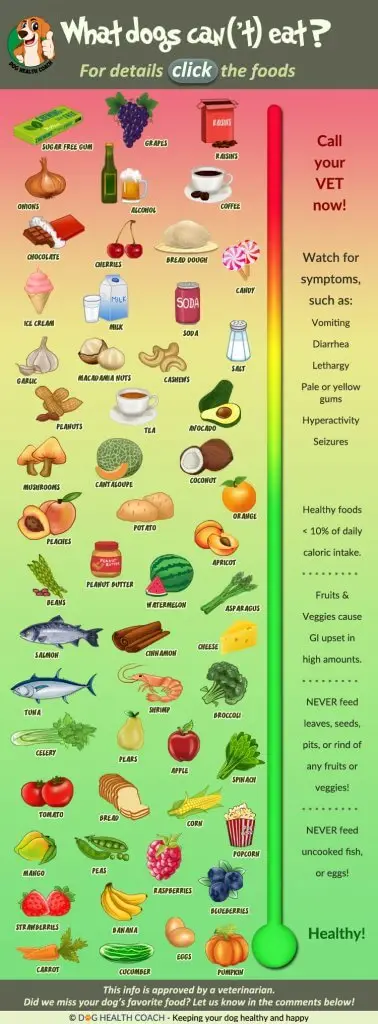
While some foods can cause immediate and acute reactions, others can contribute to gradual and more subtle changes in a dog’s health over time. Understanding these factors will empower us to make more informed decisions about the dietary components we expose our dogs to.
Processed Foods: Preservatives and Additives to Watch Out For
Processed foods, especially those with a high concentration of preservatives and artificial additives, can result in a multitude of health issues in dogs. Many of these products have artificial colors, flavors, and other chemical-based ingredients that can lead to a longer list of problems to dogs.
Preservatives and additives can lead to a wide range of adverse effects in dogs, including digestive upset, food allergies, hyperactivity, and even long-term organ damage. The immune systems of these animals are less capable of dealing with artificial compounds, and this can lead to inflammation, irritation, and skin problems. Keep in mind that many human-grade ingredients are processed in such a way that can make them harmful to dogs. It’s wise to pay close attention to the ingredients when you are selecting dog-related foods. It’s also important to remember that many of these processed products are designed to be appealing to humans and not for canine dietary needs. Many ingredients are designed to make foods last longer on the store shelves and to have a longer shelf life, but they can be harmful to dogs. As a responsible pet owner, you should always research any ingredient that you are not fully aware of. You can use online resources to be able to verify your information to keep your dog healthy.
Fatty Foods: The Risk of Pancreatitis
Fatty foods in large portions, like pork and fatty cuts of beef, increase the risk of pancreatitis, a serious inflammatory condition of the pancreas. Pancreatitis can cause extreme abdominal pain, fever, vomiting, and lethargy. Be aware that the fatty proteins and the fats that are present in these foods can induce pancreatitis.
The pancreas plays a key role in digestion and produces enzymes that help to break down nutrients. When pancreatitis occurs, these enzymes are prematurely released within the body itself, leading to inflammation and damage to the pancreas itself. This can be an extremely painful experience for a dog and can possibly lead to death if not treated properly.
The propensity for a dog to develop pancreatitis can vary based on several factors, including genetics and the dog’s breed. It’s also worth noting that repeated exposure to high-fat meals can increase the likelihood of pancreatitis developing in the future. Some dogs may only have to consume a small amount of fatty foods for a severe reaction to happen. It is best to restrict any foods that are especially high in fat.
Corn on the Cob: Digestive Tract Hazards
Corn on the cob is a common treat for many people to consume, but it’s not wise to share it with your dog. The harder kernels can be a challenge for a dog to digest, which can lead to intestinal blockage if it’s not broken in smaller pieces.
While the occasional bite of cooked corn may not pose significant issues for most dogs, consuming the whole corn cob can lead to serious complications. The corn cob’s dense structure can get lodged in the intestines, causing a blockage that can prevent waste materials from passing through the digestive tract.
If a dog does consume a corn cob or a portion of a corn cob, it’s advisable to monitor their condition closely. Symptoms of corn cob obstruction can include vomiting, lethargy, abdominal pain, and a decreased appetite. You should also be able to see or feel that there is a hard substance in the stomach of the dog.
Seek emergency veterinary attention immediately if you suspect that your dog has ingested a corn cob. Prompt intervention to remove the corn cob can prevent the development of further complications.
Special Considerations for Specific Breeds
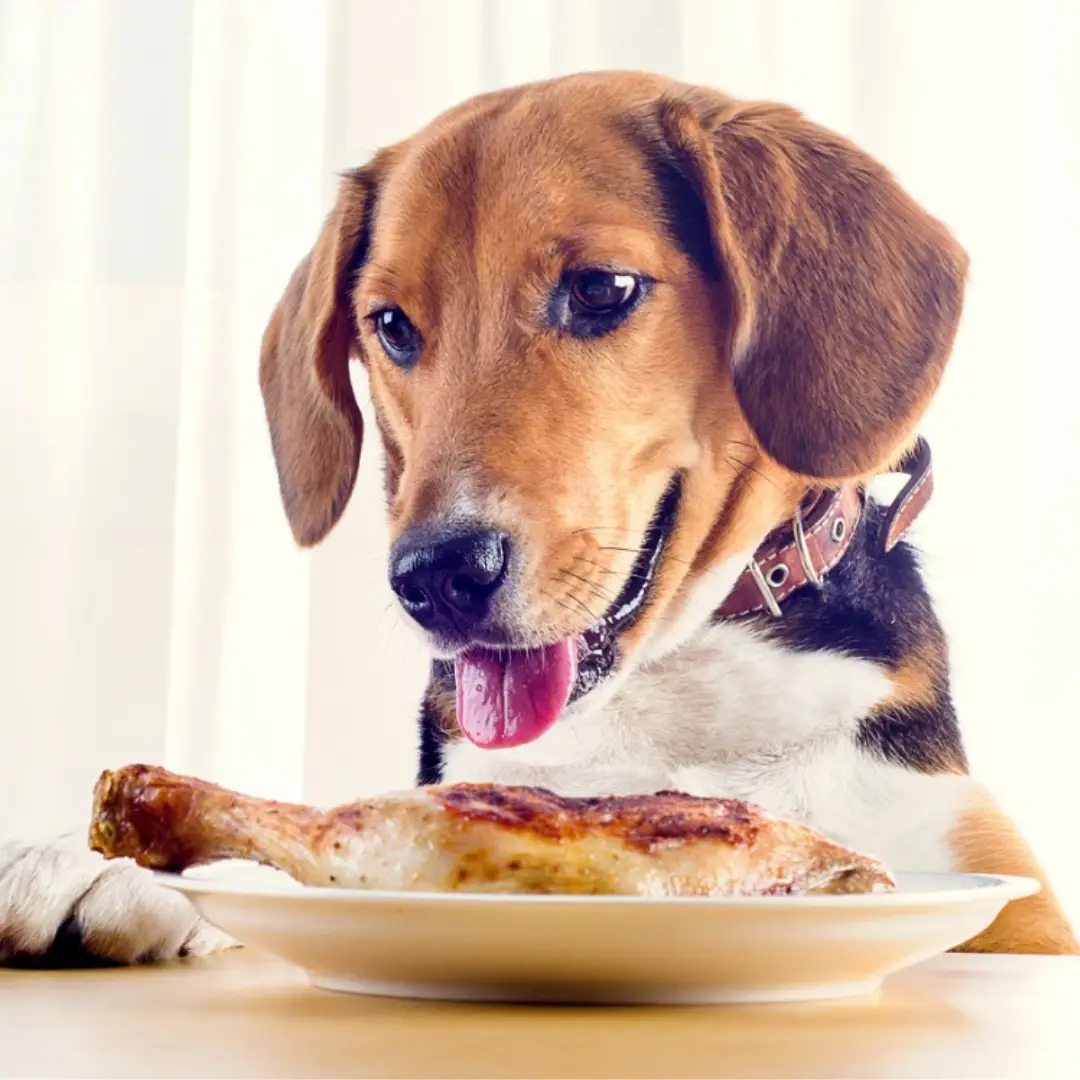
Different dog breeds have diverse genetic predispositions and unique dietary requirements and health considerations. The best way to learn about your dog’s specific dietary needs is through working with a vet or a dog nutritionist.
Small Breeds and Food Sensitivities
Small breeds of dogs tend to be more prone to food sensitivities. It’s important to choose dog food that is less likely to lead to reactions or symptoms. These issues are fairly common in small dogs due to their small size and relatively sensitive digestive systems.
Small breeds have a higher body surface area to weight ratio, making them more susceptible to changes in body temperature. This can lead to complications based on things like temperature changes, especially during the winter. Their ability to produce energy through the absorption of food is also notably different from larger breeds. Therefore, a diet that is well-balanced and tailored to their needs is incredibly important.
Small dogs have shorter intestines, which means they process food much more rapidly than larger breeds. They also tend to eat smaller quantities of food more frequently. Their stomachs are often proportionately smaller, making it important to avoid overfeeding and to monitor their reactions to specific foods. The selection of specific foods should also be taken into consideration. It’s helpful to work with your veterinarian to find a healthy diet plan.
Large Breeds and Bloat Risks
Large breeds of dogs, as they have larger stomachs, are particularly vulnerable to bloat, a life-threatening condition that involves the expansion of the stomach with gas or air. Bloat is a sudden and severe issue. For a responsible owner, it’s always advisable to have an idea of what symptoms to watch out for. It’s a problem that can arise pretty quickly, meaning that the window for successfully treating it is fairly small. This condition is dangerous because if the stomach continues to expand it will start restricting the blood flow to the body.
Bloat can develop very suddenly and can be fatal. Signs to watch out for include retching, excessive drooling, and restlessness. The dog can also make efforts to vomit but not be able to because their stomach is inflated with air.
Large breeds are disproportionately affected by bloat because their stomachs are quite a bit larger than smaller dogs, and this increase in space means there is more potential for the stomach to twist, which can cause bloat. Dogs that are known to eat quickly or that eat large quantities at a time are more prone to having this issue. It’s also important to note that dogs that are affected by bloat are more likely to have it again in the future.
Identifying Symptoms of Food Poisoning

Food poisoning can manifest in dogs in various ways, and it’s important for pet owners to recognize the signs to seek veterinary help as soon as possible.
Recognizing Early Signs of Toxicity
The signs of food poisoning in dogs can range from mild to severe and depend on the specific toxic substance ingested and the quantity eaten. Early symptoms often include vomiting, diarrhea, lethargy, loss of appetite, excessive drooling, abdominal pain, and increased thirst or urination.
Early detection is particularly important with certain toxic food substances. For instance, if a dog has ingested grapes or raisins, early detection and treatment might be life-saving. Recognizing signs like increased thirst, vomiting, and/or diarrhea early on can significantly improve the dog’s outcome. Early detection is beneficial for making sure the problem does not develop into something more severe.
When to Seek Veterinary Care
Any sudden change in your dog’s behavior or health can be a sign of food poisoning, and it’s always advisable to consult with a veterinarian if you’re concerned, even if it’s not due to a specific food or toxic exposure. Sometimes it can be difficult to determine if the symptoms are due to food poisoning. It’s better to err on the side of caution and contact a vet.
You should also contact veterinary professionals immediately:
- If your dog has eaten something you know to be toxic to dogs.
- If you see any unusual symptoms, such as vomiting, diarrhea, excessive panting, or lethargy. You don’t want to sit around and wait to see if they get worse. Contact a vet as soon as you see something potentially harmful.
- If your dog is having seizures or appears to be in acute distress. You should always seek attention immediately if you suspect your dog is in critical condition.
Cultural Attitudes Towards Feeding Pets
The cultural perspectives on feeding pets vary widely across different societies, leading to varying practices concerning food sharing and the overall approach to pet care.
The Role of Table Scraps in Different Cultures
In some cultures, sharing food with pets is a common practice, and table scraps are considered a natural part of the human-animal bond. In a vast number of global cultures, dogs are regarded as family members. They are treated with deep respect and affection, and this can lead to the tendency to share food with the dog, as it’s a gesture of affection or friendship. The food sharing is almost viewed as being synonymous with the care that they have for their dog.
However, in other cultures, a stricter boundary is maintained between human and pet diets, and table scraps are viewed with more caution. In some cultures, dogs aren’t viewed as family members and therefore don’t receive the same level of care and attention. Many of these cultures are either rural or are related to agricultural practices and production. The dogs aren’t considered part of the family and therefore aren’t afforded the same level of care that other cultures may provide to their canine companions.
Ethical Implications of Sharing Human Food
The practice of sharing human food with pets brings up ethical considerations regarding responsible pet ownership and the well-being of animals. When we share food with our dog, it’s important to have a proper understanding of what we’re sharing, and how it could either be good or harmful to the dog.
It raises fundamental questions about the scope of responsible pet ownership and our duty to ensure the well-being of the animals we bring into our homes. Pet owners need to make a conscious decision and take responsibility for the well-being of their pet. Choosing healthy foods and being mindful of anything that could be harmful is a responsibility that every pet owner should fully adopt.
Promoting Safe Eating Habits for Dogs

Safe and responsible pet ownership includes making informed decisions about our dog’s dietary needs. This includes educating ourselves and our families on the possible dangers of specific foods, implementing strategies to minimize the risks, and providing suitable alternatives for treats and meals.
Educating Family Members on Dog Safety
It’s crucial to educate everyone in the household, including children, about the potentially toxic items that should be kept away from dogs. The importance of keeping the dog out of the kitchen or any area where food is being prepared cannot be overstated. When food is being cooked or when you are eating, make sure that the dog’s access to the foods is restricted.
This includes children being fully educated on the dangers of the different foods. Children often want to show their love and affection for their dogs and this can lead to them sharing food without being fully aware of the potential dangers related to the particular foods. The danger can be especially important when it comes to chocolate, as many children really enjoy it, and they may want to share some of the food with their dogs.
Creating a Dog-Friendly Kitchen Environment
Creating a dog-friendly kitchen fosters safety and helps you manage hazards more efficiently. The idea is to set standards and maintain them with consistency. It reduces the risk of your dog ingesting toxic foods unintentionally. Keep foods that are toxic to dogs stored in a secured location that dogs can’t access. Try to select storage containers that can be tough to open.
You can also invest in dog-proof trash cans, as dogs love to sort through trash and this can lead to unexpected issues. Dog-proof trash cans can help reduce the risk of the dog ingesting anything that has the potential to harm them. If you have children, supervise them in the presence of dogs, especially when they are around food. It’s important to teach children that they should not feel like they have to share every morsel of food with their canine companions.
Alternatives to Harmful Foods

Instead of sharing harmful foods, various healthy and safe alternative snacks and meal options are available for dogs.
Healthy Treat Options for Dogs
There is a very large number of treats that you can purchase at stores that are designed specifically to cater to the dietary needs of a dog. It’s also an easy way to provide your dog with nutrients, vitamins, and minerals that will help them grow, be healthier, and strengthen their immune system.
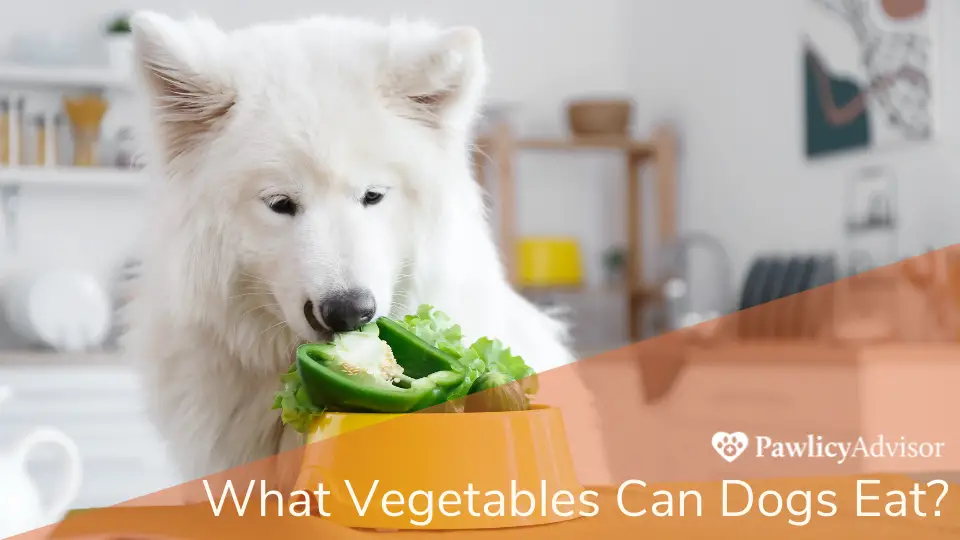
You can offer a vast number of fresh vegetables, which are generally not bad for dogs. This includes things like carrots, green beans, and broccoli. You can also look into things like sweet potato treats, which are often sold in pet stores but you can also make them yourself. Avoid feeding your dog anything that contains xylitol, preservatives, or artificial flavors.
Homemade Dog Food: Guidelines for Safety
If you are a careful and observant person, you can also prepare healthy meals at home to cater to your dog’s dietary needs. This is also a great way to save money, make sure you are aware of the ingredients, and keep the nutritional value of the food at the level that’s appropriate for your dog.
Consider the following aspects:
- Consult with your veterinarian or a certified veterinary nutritionist for specific recommendations tailored to your dog’s needs and health status.
- Use high-quality ingredients such as lean meats, whole grains, and vegetables. It’s important to use produce that hasn’t been treated with pesticides or toxins that can be toxic to dogs.
- Avoid any ingredient known to be toxic to dogs. This includes, but certainly is not limited to, chocolate, garlic, onions, grapes, avocados, and xylitol.
- Cook any meat or protein thoroughly to reduce the risk of bacterial infections and other diseases.
- Ensure the food is correctly stored and refrigerated to maintain freshness.
Conclusion
Ultimately, the joy of pet ownership comes with a responsibility that goes beyond simply feeding our pets. We must actively participate in educating ourselves on the foods that are harmful or toxic to dogs. This includes understanding the specific dietary needs of our canine friends, recognizing the symptoms of food poisoning, fostering a safe environment, and embracing educational activities and resources. This will enable us to ensure their well-being, preventing a multitude of health complications and strengthening the human-animal bond. By establishing a collaborative effort that involves education, awareness, and mindfulness, we create an environment where canine health and safety are priorities. It fosters a better relationship between humans and pets and promotes a more educated and caring society.
x20;

By establishing a collaborative effort that involves education, awareness, and mindfulness, we create an environment where canine health and safety are priorities. It fosters a better relationship between humans and pets and promotes a more educated and caring society.
In the end, our dogs rely on us for their well-being, and in return, they offer us companionship, loyalty, and love. This unique bond serves as a reminder of the impact our choices have not only on our pets’ immediate happiness and health but also on their long-term quality of life. Understanding what foods pose risks and making informed decisions to avoid them reflects our commitment to fostering a safe place for our furry companions.
As responsible pet owners, it is imperative to stay updated on the latest information regarding canine nutrition and to be vigilant in creating environments free from potential hazards. Engaging with veterinarians, reading reputable resources, and participating in community discussions about dog care can further enhance our understanding and lead to better outcomes for our pets.
Every meal is an opportunity to nourish our pets and keep them healthy, which ultimately enriches our lives together. Make it a habit to affirm best practices for feeding your dog while embracing alternative options that support their overall health. This proactive approach not only safeguards against dietary risks but also honors the incredible bond we share with our pets. So let us continue to learn, adapt, and commit to being the advocates for our four-legged friends they deserve.
