
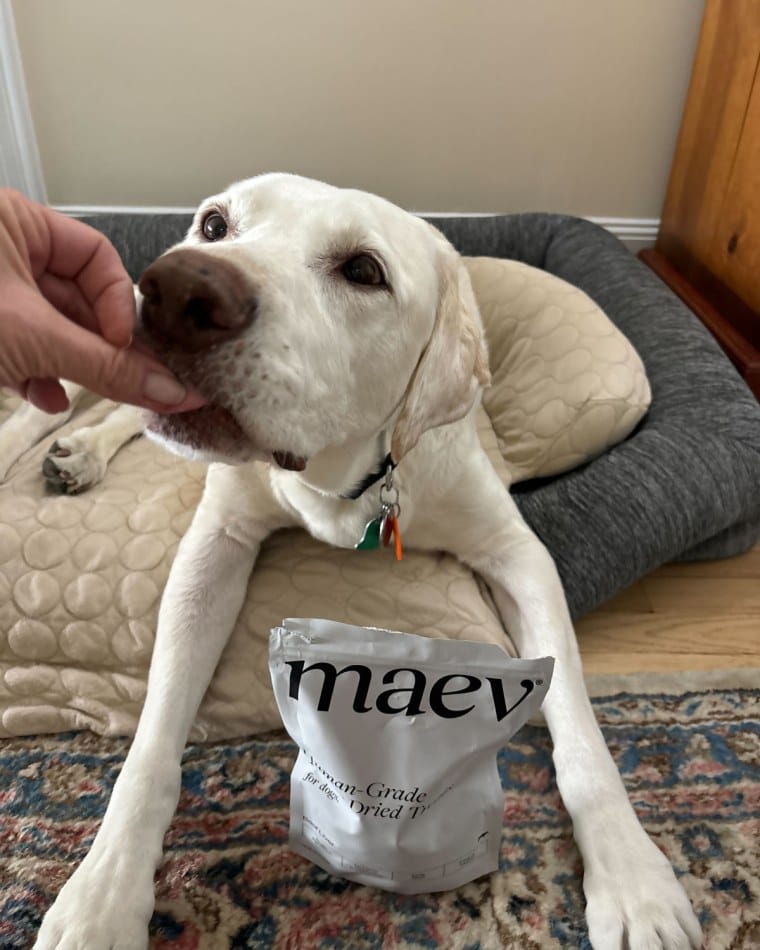
Finding the perfect training treats for your canine companion is key to a successful and enjoyable training experience. Whether you’re teaching basic obedience or advanced tricks, the right treat can make all the difference, keeping your dog motivated and engaged. But with so many options available, how do you choose the best ones? This guide delves into what makes a training treat effective, explores different types, and offers tips for selecting and using them wisely.
The effectiveness of a training treat lies in its high-value appeal to your dog. High-value treats are those that your dog finds incredibly delicious and motivating, making them more eager to work for them. This typically means treats that are:
- Highly Palatable: They should smell and taste great to your dog.
- Small and Bite-Sized: Easy for your dog to consume quickly so training isn’t interrupted, and small enough to avoid overfeeding.
- Soft and Chewy: Easier to eat on the go and generally more appealing than hard biscuits during training sessions.
- Nutrient-Dense (but Low Calorie): You’ll be using many treats, so they should offer some nutritional benefit without excessive calories.
Understanding these characteristics helps narrow down your choices. When you’re looking for treats that can keep up with rigorous training, consider options that are specifically designed for this purpose. For instance, many owners find that specialized training treats for large dogs offer the right balance of size and palatability for their bigger pups.
Why High-Value Treats Matter in Dog Training
High-value treats are more than just rewards; they are powerful communication tools. In the world of dog training, positive reinforcement is paramount. This method relies on rewarding desired behaviors to increase their frequency. When a dog performs a task correctly—like sitting when asked, coming when called, or mastering a new trick—a high-value treat acts as an immediate and strong positive consequence.
This immediate reward helps the dog form a clear association between their action and the positive outcome. Over time, this strengthens the desired behavior. Conversely, using low-value treats, like dry kibble, might not provide enough motivation, especially in distracting environments or when teaching more complex behaviors. Imagine trying to focus on a difficult task with only a bland cracker for motivation – it’s much harder than if you were offered something truly delectable. This is why investing in good training treats is a worthwhile endeavor for any dog owner serious about training.
Types of Dog Training Treats
The market is flooded with options, but training treats generally fall into a few categories:
- Commercial Training Treats: These are specifically formulated for training. They are often small, soft, and come in a variety of flavors. Look for those with simple ingredient lists and minimal fillers. Many brands offer grain-free options, catering to dogs with sensitivities. Exploring dog training treats grain free can be a good starting point if your dog has dietary restrictions.
- Freeze-Dried Liver or Meat: Pure freeze-dried meat products, like chicken, beef, or liver, are incredibly high in value for most dogs due to their intense flavor and aroma. They can be easily broken into small pieces.
- Small Pieces of Cooked Meat or Cheese: Simple, human-grade options like tiny bits of cooked chicken, turkey, or small cubes of cheese can be highly motivating. Ensure these are given in moderation due to fat content.
- Specialty Training Treats: This category includes treats designed for specific needs, such as dental health, joint support, or for puppies and seniors.
When considering bulk purchases, bulk training treats for dogs can be cost-effective, but ensure you store them properly to maintain freshness.
The Role of Texture and Size
The texture and size of a training treat are crucial for efficient training. Treats that are too hard or too large will slow down your training sessions. Your dog will spend more time chewing, and the reinforcement interval will be longer, potentially diminishing the impact of the reward. Soft, chewy treats are generally preferred because they can be gobbled up quickly, allowing for rapid reinforcement of successive approximations of a behavior.
For instance, when teaching a new, complex behavior, you might reward small steps (successive approximations) in quick succession. Small treats are ideal for this, as you can deliver many rewards without the dog becoming full or bored. If you’re using larger treats, you can always break them into smaller pieces.
Factors to Consider When Choosing Treats
Beyond palatability and texture, several other factors should guide your choice:
- Ingredient Quality: Opt for treats with whole food ingredients. Avoid artificial colors, flavors, and preservatives, as well as excessive fillers like corn, wheat, or soy, especially if your dog has sensitivities. Checking for best healthy dog treats for training can lead you to brands prioritizing nutrition.
- Dietary Restrictions and Allergies: Many dogs suffer from allergies or sensitivities to common ingredients like grains, chicken, or certain proteins. Always check the ingredient list and choose options that are safe for your individual dog.
- Calorie Content: Training often involves giving numerous treats. It’s essential to select low-calorie options to prevent weight gain. Consider treats that are around 5-10 calories or less per piece. You can also factor training treats into your dog’s daily food allowance to maintain a healthy weight.
- Purpose of Training: For basic obedience in a quiet environment, standard commercial treats might suffice. However, for highly distracting environments or advanced training, you’ll likely need higher-value treats that truly capture your dog’s attention.
Understanding Your Dog’s Preferences
Every dog is an individual, and their taste preferences can vary widely. What one dog finds irresistible, another might turn its nose up at. Observing your dog’s reaction to different treats is the best way to determine their favorites. Sometimes, a simple, readily available option like small pieces of cooked chicken or cheese might be more motivating than expensive commercial treats.
“It’s fascinating how a dog’s focus can sharpen dramatically with the introduction of a truly special treat. It’s not just about the food; it’s about the excitement and motivation it brings to the learning process.” – Dr. Emily Carter, Canine Behaviorist
Experimenting with various flavors and textures will help you discover your dog’s ultimate training motivators. This exploration can also be a fun bonding activity.
DIY Training Treats: A Creative Option
If you’re feeling adventurous or have a dog with very specific dietary needs, making your own training treats can be a rewarding experience. DIY dog treats for training allows you complete control over ingredients, ensuring they are healthy, safe, and appealing to your dog.
Here are a few simple ideas:
- Peanut Butter & Oats: Mix oat flour, unsweetened peanut butter, and a little water. Roll into small balls or cut into shapes and bake until firm.
- Sweet Potato Chews: Bake or dehydrate thin slices of sweet potato until they are chewy but not brittle.
- Liver or Meat Pâté: Cooked liver or lean meat can be blended with a bit of water or broth and then frozen in ice cube trays for small, lickable treats.
Always ensure ingredients are dog-safe (e.g., no xylitol in peanut butter) and introduce new homemade treats gradually to monitor for any digestive upset.
How to Use Training Treats Effectively
Simply having the best treats isn’t enough; how you use them significantly impacts training success.
- Timing is Crucial: Deliver the treat immediately after the desired behavior occurs. This helps your dog connect the treat with the specific action.
- Use Sparingly for Known Cues: Once a behavior is well-learned and reliable, you can start phasing out treats for every instance. Instead, use intermittent reinforcement – rewarding sometimes, but not always. This actually strengthens the behavior and makes it more resistant to extinction.
- Fade Treats Gradually: As your dog becomes proficient, transition to less frequent treat rewards, verbal praise, or a favorite toy as reinforcement. The goal is for the dog to perform the behavior because they understand and want to, not just for the immediate edible reward.
- Keep Them Accessible: During training sessions, keep treats in a treat pouch or your pocket so you can deliver them quickly without fumbling.
- Vary Your Rewards: Don’t rely solely on treats. Mix in praise, petting, and play. This keeps training engaging and reinforces that good behavior earns various positive outcomes.
- Manage the Amount: Be mindful of the total number of calories consumed from treats to prevent obesity.
Frequently Asked Questions About Dog Training Treats
Q1: How many treats should I give my dog during a training session?
A1: It depends on the session’s length and intensity, but a general guideline is to keep treats to no more than 10% of your dog’s total daily caloric intake. Break treats into very small pieces to extend the session and avoid overfeeding.
Q2: What are considered “high-value” treats for most dogs?
A2: High-value treats are typically moist, smelly, and intensely flavored. Examples include small pieces of cheese, cooked chicken or hot dogs, commercial training treats with strong meat flavors, and freeze-dried liver.
Q3: Can I use my dog’s regular kibble as training treats?
A3: You can use kibble for very basic training in low-distraction environments, especially for puppies. However, for more challenging training or in distracting settings, higher-value treats are usually necessary to capture and hold your dog’s attention.
Q4: My dog is a picky eater. What treats should I try?
A4: If your dog is picky, try a variety of textures and flavors. Experiment with different commercial brands, freeze-dried meats, or small pieces of human foods like cheese or cooked chicken. You might also consider single-ingredient treats or homemade options to pinpoint their preferences.
Q5: Are there any treats I should absolutely avoid for training?
A5: Avoid treats with artificial additives, excessive fillers, or high sugar content. Also, steer clear of toxic human foods like chocolate, grapes, onions, garlic, and artificial sweeteners like xylitol. Always ensure treats are appropriate for your dog’s age and health status.
Q6: How should I store training treats?
A6: Soft and semi-moist treats should typically be refrigerated in an airtight container to prevent mold and spoilage. Hard treats can usually be stored at room temperature in a sealed container. Always check the manufacturer’s recommendations for storage.
Conclusion: Rewarding Your Training Journey
The journey of training your dog is one of patience, consistency, and positive reinforcement. Choosing the best training treats is a crucial step in this process, directly impacting your dog’s motivation and eagerness to learn. By understanding what makes a treat high-value, considering quality ingredients, and employing effective treat delivery strategies, you can significantly enhance your training outcomes.
Whether you opt for convenient commercial options, potent freeze-dried meats, or a simple piece of cheese, the key is to find what truly excites your dog. Remember to keep treats small, low-calorie, and always deliver them with a clear and timely reward. Happy training!
