
As a loving dog owner, you’re always looking for ways to ensure your furry friend lives a long, healthy, and happy life. A crucial part of this commitment is providing them with optimal nutrition. While commercial dog food forms the cornerstone of their diet, many human foods can offer significant nutritional benefits and act as healthy, delicious treats. Knowing What Are The Best Foods For Dogs To Eat goes beyond just their daily kibble, opening up a world of wholesome supplements to their diet.
Incorporating fresh, natural ingredients can boost your dog’s health, providing essential vitamins, minerals, and fiber. However, it’s equally important to understand which human foods are safe and how to prepare them correctly. Some foods that are perfectly fine for us can be toxic to dogs, and even safe foods require specific preparation to avoid choking hazards or digestive upset. This guide will walk you through a list of excellent human foods you can safely share with your canine companion, helping you make informed decisions about their diet. what meat to not feed dogs is just as important as knowing what to include, ensuring your dog stays healthy and happy.
Fruits Your Dog Can Enjoy
Fruits offer a wealth of vitamins, antioxidants, and fiber. Always wash them thoroughly and remove any seeds, pits, or rinds that could be toxic or pose a choking hazard.
1. Apples
Fresh apples are a fantastic, crunchy snack for dogs, provided you always remove the seeds, which contain small amounts of cyanide. This popular fruit is a good source of vitamins A and C, along with beneficial fiber, which plays a vital role in supporting digestive health. Vitamin A contributes to a strong immune system, aids in healthy bone growth, and promotes skin vitality, while also helping to maintain good vision. Vitamin C, on the other hand, is known for its ability to reduce inflammation, boost immunity, and support healthy cardiovascular function in dogs.
2. Bananas
Bananas are a wonderfully tasty and easily digestible treat, particularly well-suited for older dogs or those with sensitive teeth due to their soft texture. This tropical fruit is packed with numerous health benefits that can contribute to your dog’s overall well-being. They are known for helping to reduce blood pressure and promoting excellent heart health. Beyond these advantages, bananas are rich in fiber, which aids digestion; folate (vitamin B9), essential for healthy cell growth; lectin, which can improve blood sugar and intestinal health; potassium, crucial for fluid balance and kidney function; tryptophan, an amino acid important for regulating sleep, appetite, mood, and pain; and vitamin C, a powerful immune booster.
3. Blueberries
These small, deep-purple berries are not only a delightful treat for humans but also a safe and nutritious option for dogs. Blueberries are celebrated for being a rich source of essential vitamins and potent antioxidants, including vitamins C, K, and A. These antioxidants are vital in combating oxidative stress and may significantly reduce the likelihood of various diseases, disorders, and age-related health issues in your canine companion. They make an excellent, low-calorie snack.
4. Mango
Don’t keep this delicious tropical fruit to yourself; mangoes are high in fiber and a treasure trove of vitamins, including A, B6, C, and E, making them a fantastic sweet treat for both you and your dog. However, it’s crucial to always remove the pit and peel before offering mango to your canine friend, as both parts could potentially cause illness or act as a choking hazard. Additionally, while beneficial in moderation, consuming too much mango could lead to stomach issues, so this is one item on the list best given in small, controlled amounts.
5. Watermelon
Anyone who has enjoyed a bite of watermelon on a hot day knows it’s a delicious way to stay hydrated. This refreshing fruit serves the same purpose for your dog, being an excellent source of hydration, especially during warmer months. Beyond its high water content, watermelon also provides a good supply of vitamins A, C, and B6. Before sharing this juicy treat with your dog, always remember to remove all seeds and the rind, as these can cause digestive upset or become choking hazards.
Wholesome Vegetables for Canines
Vegetables are powerhouses of nutrients, offering fiber, vitamins, and minerals. Always serve them plain, without seasonings, and cut into appropriate sizes.
6. Carrots
Carrots are an excellent and crunchy treat that many dogs adore. Their firm texture can actually help clean your dog’s teeth by scraping away plaque as they chew. This vibrant orange root vegetable is also a good source of vitamin A, which is crucial for vision, immune function, and skin health. For teething puppies, cold or even frozen carrots can be particularly helpful, offering a soothing item to chew on while easing discomfort. However, for all dogs, especially younger ones, it’s important to cut carrots into small, manageable pieces to prevent them from becoming a choking hazard.
7. Cauliflower (Unseasoned)
Cauliflower is a surprisingly nutritious vegetable that can be a great supplement to your dog’s regular diet. It’s low in calories and packed with a variety of beneficial nutrients, including fiber, antioxidants, folate, pantothenic acid, potassium, magnesium, manganese, phosphorus, choline, sulforaphane, and vitamins C, K, and B6. Despite its many health benefits, it’s worth noting that cauliflower can sometimes make your dog gassy, so it’s best to offer this treat in small, restricted amounts. It is safe to share with your pup whether raw or cooked, just make sure it remains completely unseasoned.
8. Celery
If you’re looking for a low-calorie treat for a pup watching their weight, celery could be an ideal choice. This crunchy vegetable is naturally low in fat and serves as a good source of fiber, along with vitamins A, C, and K. Celery is also rich in folate, potassium, and manganese, all of which contribute to a healthy metabolism. An added bonus: it may even help freshen your pet’s breath. However, like carrots, celery can pose a choking hazard due to its fibrous strings and shape. To prevent any problems, always chop the veggie into bite-sized pieces, especially for smaller dogs.
9. Cucumbers
Similar to celery, cucumbers offer a refreshing and crunchy treat that many dogs enjoy. They are notably low in calories and completely free of sodium and fat, making them an excellent choice for dogs needing to manage their weight. However, just like celery, cucumbers can present a choking hazard, particularly for smaller dogs or those who eat too quickly. To ensure your four-legged family member can safely enjoy this healthy snack, always be sure to cut cucumbers into small, bite-sized pieces.
10. Green Beans
Green beans are considered one of the best foods on this list for dogs who are overweight or need to maintain a healthy weight, primarily because they are exceptionally low in calories and fat. This versatile vegetable is also a good source of fiber, which aids in digestion, and vitamin C, an important antioxidant. You have the flexibility to feed your dog cooked green beans, either steamed or boiled without seasoning, or you can offer them frozen beans, which many dogs enjoy as a crunchy, cooling snack, especially during warmer weather.
11. Pumpkin
Pumpkin is often hailed as a fantastic supplement to almost any dog’s diet, especially for digestive issues. It is incredibly rich in nutritional value, boasting vitamins A, C, and E, alongside essential minerals like iron and potassium. Its high soluble fiber content makes it exceptionally beneficial for your dog’s digestion, providing natural relief for common tummy issues such as diarrhea or constipation. Furthermore, pumpkin is rich in prebiotics, which play a crucial role in supporting a healthy gut microbiome. As it’s low in calories, it can be an excellent addition to your dog’s regular food. Always ensure that if you are buying canned pumpkin for your dog, it is pure pumpkin and not pumpkin pie filling, which often contains dangerous additives for dogs like spices and added sugars.
Healthy Proteins for Your Pooch
Lean proteins are essential for muscle development and overall health. Always ensure meat and fish are fully cooked and unseasoned, and remove all bones.
12. Beef (Cooked)
Beef stands as a highly nutritious protein source for dogs, providing all the essential amino acids crucial for their health, along with a wealth of vital vitamins and minerals. If you choose to incorporate beef into your dog’s diet, it is paramount to ensure it is fully cooked to eliminate any harmful bacteria that could cause illness. Additionally, opting for grass-fed cattle, if possible, can offer an even better source of beneficial fatty acids compared to beef from grain-fed cattle, contributing to your dog’s overall well-being. what human meat can dogs eat includes well-cooked beef as a healthy option.
13. Chicken (Cooked and Unseasoned)
Plain, boiled chicken and rice are a common recommendation from veterinarians for dogs experiencing an upset stomach, precisely because chicken is easily digestible, high in lean protein, and low in fat. It can be a great addition as a meat topper to your dog’s kibble, enhancing palatability and providing extra nutrients. However, it’s important to remember that dogs are omnivores and require a balanced diet beyond just meat; therefore, chicken should primarily be offered as a supplement or treat rather than their sole food source. Crucially, never give your dog chicken bones, especially cooked ones, as they can splinter easily and cause serious damage to your dog’s gastrointestinal (GI) tract. Understanding what meat should never be given to dogs is vital for their safety.
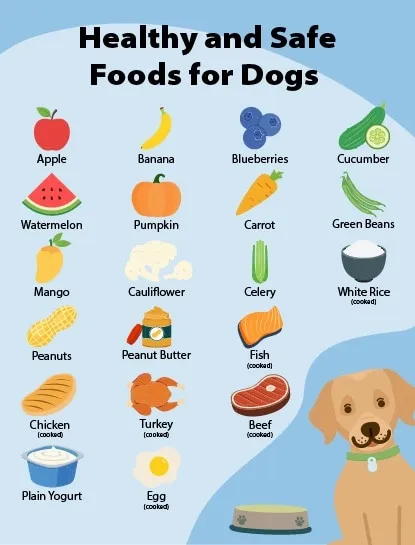 A happy dog looking intently at a colorful spread of healthy and safe human foods, including fruits, vegetables, and proteins.
14. Eggs (Cooked and Unseasoned)
Eggs are an excellent source of high-quality protein and are rich in numerous vitamins, including A, B (B12, biotin), D, and K. Beyond these, they provide other important nutrients such as selenium, calcium, and zinc, all of which contribute to a super healthy treat for your dog. It is crucial to make sure eggs are always thoroughly cooked before feeding them to your dog, as raw eggs can contain salmonella, posing a health risk. Your dog might enjoy scrambled eggs, or even a hard-boiled egg, as a nutritious complement to their regular diet.
15. Fish (Cooked and Unseasoned)
Fish, particularly varieties like salmon and sardines, are incredibly rich in high-quality protein and essential amino acids, making them a superb addition to your dog’s diet. They are also an excellent source of omega-3 fatty acids, which are beneficial for skin, coat, and joint health. A unique advantage of sardines is that their soft bones can be safely consumed, offering a valuable boost of calcium. However, for all other types of fish, it is paramount to remove all bones before feeding them to your dog to prevent choking or internal injury. Always fully cook fish and limit your dog’s intake to no more than two servings per week to maintain a balanced diet. It’s always a good idea to remember what is the one meat that dogs should never eat in general when considering human foods.
16. Turkey (Cooked and Unseasoned)
Much like chicken, turkey is a superb source of lean protein, making it a healthy option to include in your dog’s diet in moderation. When preparing turkey for your canine companion, it is essential to remove the skin, all bones, and any excess fat, as these components can be difficult to digest or pose serious health risks. Furthermore, any turkey you give your dog should always be fully cooked and completely unseasoned. This ensures that your dog receives the nutritional benefits of the meat without ingesting harmful spices, salts, or other additives that are not safe for them.
Other Beneficial Foods
Beyond fruits, vegetables, and lean meats, several other household staples can contribute to your dog’s healthy diet.
17. Peanuts (Unsalted) and Peanut Butter
Unsalted peanuts are generally considered a safe nut for dogs to eat. They provide good fats and protein, which are beneficial for energy and muscle maintenance. However, it’s important to offer them in moderation, as too much fat can lead to issues like weight gain or pancreatitis in dogs. Peanut butter offers additional benefits, being a source of vitamins B and E, as well as fiber, all of which are good for cardiovascular and digestive health. Crucially, when choosing peanut butter, always make sure that it does not contain xylitol, a common artificial sugar substitute that is highly toxic to dogs and can be life-threatening.
18. White Rice (Cooked)
Cooked white rice is a staple recommendation for dogs who may be experiencing an upset stomach and require a bland diet for a few days. Its easy digestibility helps to settle their system, and it can also aid in firming up loose stool. However, it’s important to note that rice can cause a spike in blood sugar levels. For this reason, dogs with diabetes should only consume small amounts, if any, and always under veterinary guidance. Your vet can provide tailored advice to help you determine the appropriate amount of rice, if any, that your dog should consume based on their individual health needs.
19. Yogurt (Plain)
While some dogs can have difficulty digesting dairy products due to lactose intolerance, plain yogurt can actually be a wonderfully healthy treat for many dogs. The probiotics found in plain yogurt can significantly help to strengthen your dog’s digestive system by promoting a healthy balance of gut bacteria. However, it is absolutely essential to ensure that any yogurt you offer your dog is completely plain, meaning it has no added sugar, artificial sweeteners (especially xylitol, which is toxic), or fruit flavorings, as these can be detrimental to your dog’s health.
Conclusion: Nourishing Your Canine Companion with Care
Ensuring your dog receives optimal nutrition is a cornerstone of responsible pet ownership, extending beyond just their daily kibble to include a variety of healthy human foods. By understanding what are the best foods for dogs to eat, you can enrich their diet with essential vitamins, minerals, fiber, and lean proteins from fruits, vegetables, and cooked meats. Always prioritize safety by preparing these foods correctly—removing seeds, pits, bones, and rinds, and serving everything plain and unseasoned.
Remember that while these human foods offer great supplemental nutrition, they should never replace a balanced commercial dog food diet. Moderation is key, and it’s always wise to introduce new foods gradually while observing your dog for any adverse reactions. For personalized dietary advice, especially if your dog has specific health conditions or dietary restrictions, consulting with your veterinarian is invaluable. They can help tailor a nutrition plan that keeps your beloved companion happy, healthy, and thriving for years to come.
Expert Reviewer
Dr. Kathy Wiederkehr (Wentworth), V.M.D.
Dr. Kathy Wiederkehr (Wentworth) has been practicing veterinary medicine at pet care facilities in California since 2001. Most recently, she served as medical director of the VCA PetPoint Medical Center and Resort in Irvine. She is a graduate of the University of Pennsylvania School of Veterinary Medicine and became board-certified as a diplomate in Canine and Feline Practice by the American Board of Veterinary Practitioners in 2010, demonstrating deep expertise and authority in canine and feline health.
Author Bio
Abbie Mood
Abbie Mood is a freelance writer with over 15 years of experience crafting compelling content. Her work has been featured in reputable publications such as the American Kennel Club, Marriott Bonvoy, Women’s Health Online, and Headspace, showcasing her versatile writing skills and ability to research and present information clearly.
