
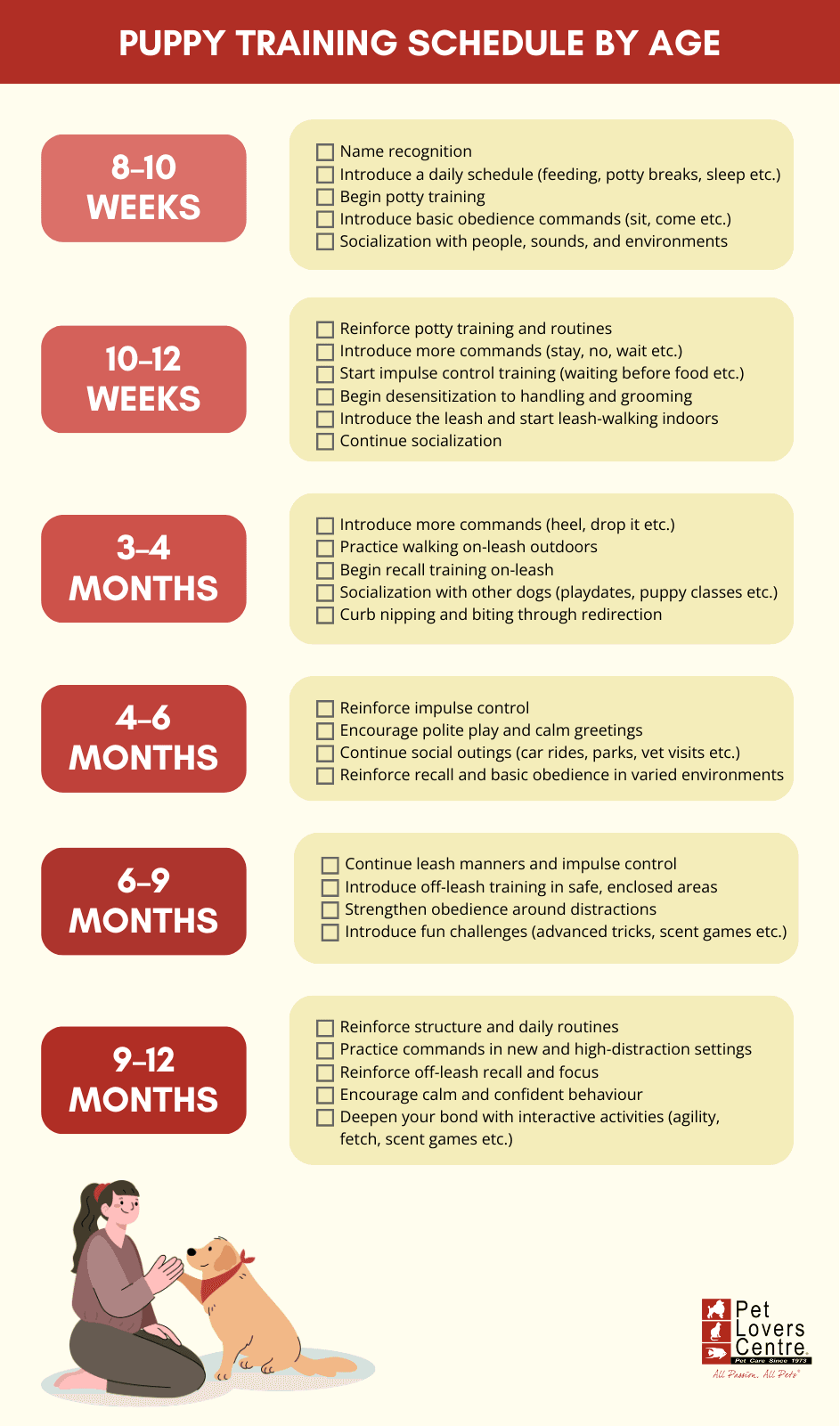
Potty training a dog is a significant milestone in your journey as a pet owner. Many new owners wonder, “What Age Should A Dog Be Potty Trained?” While there’s no single magic number, understanding the developmental stages of puppies and the principles of effective training can set you up for success. Generally, most puppies can begin potty training between 12 weeks and 6 months old, but consistency and patience are key, regardless of your dog’s age.
The process involves teaching your dog where to eliminate and establishing a routine that prevents accidents in the house. This guide will walk you through the developmental considerations, the training process itself, and how to handle common challenges, ensuring you can navigate this crucial stage with confidence.
Understanding Puppy Development and Potty Training Readiness
Puppies, much like human babies, need to develop physically and mentally before they can reliably control their bladder and bowels. Several factors indicate a puppy’s readiness for potty training:
- Bladder and Bowel Control: Younger puppies have very small bladders and limited muscle control, meaning they need frequent opportunities to go outside. As they grow, their muscles strengthen, allowing them to hold it for longer periods.
- Ability to Recognize Cues: A puppy needs to be able to recognize signals that they need to go, such as sniffing around, circling, or whining.
- Trainability: While all dogs can be trained, puppies around 12 weeks old are often more focused and receptive to learning new commands and routines.
It’s important to remember that even with good readiness, accidents will happen. These are learning opportunities, not failures. Trying to how do you potty train an older dog can sometimes be more challenging due to established habits, but it is absolutely possible with patience and the right approach.
The Foundation: Establishing a Consistent Potty Training Routine
Consistency is the cornerstone of successful potty training. A predictable routine helps your dog understand expectations and reduces the likelihood of accidents. Here’s how to build a solid foundation:
Frequent Potty Breaks: Take your puppy outside very frequently, especially:
- First thing in the morning.
- After waking up from naps.
- After playing.
- After eating or drinking.
- Right before bedtime.
- Every 1-2 hours for very young puppies (under 16 weeks).
Designated Potty Spot: Choose a specific area in your yard for your dog to eliminate. Always take them to this spot. The scent of previous successful eliminations can encourage them to go there again.
Positive Reinforcement: When your dog successfully eliminates in the designated spot, praise them enthusiastically and offer a small, high-value treat immediately. This positive association is crucial for them to understand they’ve done something good.
Supervision is Crucial: Keep a close eye on your puppy when they are indoors. If you can’t supervise them directly, consider using a crate or confining them to a small, puppy-proofed area. This prevents accidents and helps you catch them in the act.
Interrupting Accidents: If you catch your puppy having an accident, interrupt them with a sharp, startling noise (like a clap) and immediately take them outside to their potty spot. If they finish there, praise and reward them. Never punish your dog for an accident, especially if you find it after the fact. Punishment can lead to fear and hiding behaviors, making training more difficult.
Crate Training: A Powerful Potty Training Tool
Crate training can be an incredibly effective component of potty training. Dogs naturally avoid soiling their sleeping and resting areas. A crate, when used correctly, taps into this instinct.
- Size Matters: The crate should be large enough for your dog to stand up, turn around, and lie down comfortably, but not so large that they can designate one corner as a bathroom. If you have a large breed puppy, consider a crate with a divider to adjust the space as they grow.
- Introduction: Introduce the crate positively with treats and praise. It should be a safe den, not a place of punishment.
- Crate Schedule: Gradually increase the amount of time your dog spends in the crate. They should be taken out immediately upon release, especially after waking up or after a meal.
- Overnight: Many puppies can sleep through the night in their crate once they are a few months old and have a more established potty routine.
Addressing Common Potty Training Challenges
Even with the best intentions, challenges can arise. Understanding how to address them can save you frustration and keep your training on track.
Accidents in the House
- Clean Thoroughly: Use an enzymatic cleaner specifically designed for pet stains. These cleaners break down the odor molecules that attract dogs back to the same spot. Regular household cleaners may not be sufficient.
- Identify the Cause: Accidents can happen if the dog wasn’t taken out often enough, if they weren’t supervised, or if there’s an underlying medical issue.
Puppy Resists Going Outside
- Bad Weather: Some puppies dislike going out in rain, snow, or extreme temperatures. Try using an umbrella, a dog coat, or a covered potty area.
- Distractions: The outside world can be exciting! Minimize distractions initially by staying in a quiet area. As your dog improves, you can gradually introduce more stimulating environments.
- Fear: If your puppy is scared of something outside, work on desensitization and counter-conditioning in a positive way.
Stubbornness or Regression
- Reassess Routine: Go back to basics. Increase the frequency of potty breaks, ensure thorough supervision, and stick rigidly to the routine for a few days.
- Medical Check-up: If your dog is consistently having accidents despite consistent training, consult your veterinarian. Urinary tract infections, digestive issues, or other medical conditions can affect potty training. This is particularly important if your dog is trained dogs for sale nc, as their health history should be a primary concern.
Potty Training Adult Dogs
While we often focus on puppies, many people adopt adult dogs that may not be fully potty trained. The principles remain the same: consistency, positive reinforcement, and diligent supervision.
- Establish a Routine: Take your adult dog out on a very frequent schedule, similar to a young puppy, and gradually increase the intervals as they demonstrate reliability.
- Rule Out Medical Issues: An adult dog suddenly having accidents may have an underlying health problem, so a vet visit is paramount.
- Patience and Understanding: Adult dogs may have past experiences or habits that need to be unlearned. Be patient, celebrate successes, and manage the environment to prevent setbacks. If you’re looking into dog training evansville indiana, seeking professional help can be beneficial for older dogs with established habits.
The Benefits of a Well-Potty-Trained Dog
The effort invested in potty training pays off significantly. A well-trained dog is a joy to live with and can participate more fully in family life.
- Freedom and Trust: Your dog gains more freedom in the house, and you can trust them when you’re not directly supervising.
- Reduced Stress: No more constant worry about accidents or cleaning up messes.
- Stronger Bond: The training process itself strengthens the bond between you and your dog through positive interaction and clear communication.
- Opportunities for Training: Once potty training is established, you can move on to other training goals, like in-home dog training near me or advanced obedience.
Conclusion: Patience and Consistency Lead to Success
So, what age should a dog be potty trained? While 12 weeks to 6 months is a common window, the real answer lies in your dog’s individual development and your commitment to a consistent, positive training approach. Every dog learns at their own pace. Celebrate every small victory, remain patient through the setbacks, and you’ll soon have a house-trained companion. Whether you are in dog training springfield ma or any other location, the universal truths of dog training – consistency, positive reinforcement, and understanding – will guide you to success. Remember, the journey of understanding and training your dog is a story in itself, and successful potty training is a beautiful chapter.
