
As our beloved canine companions age, understanding the signs and stages of their senior years is crucial for providing them with the best possible care. While the exact moment a dog transitions from adult to senior isn’t a fixed date, it’s a period marked by gradual changes and an increased need for attention to their health and well-being. This guide explores when dogs are considered seniors, the factors influencing this stage, and how to best support your aging dog through their golden years.
Defining Seniority: It’s Not One-Size-Fits-All
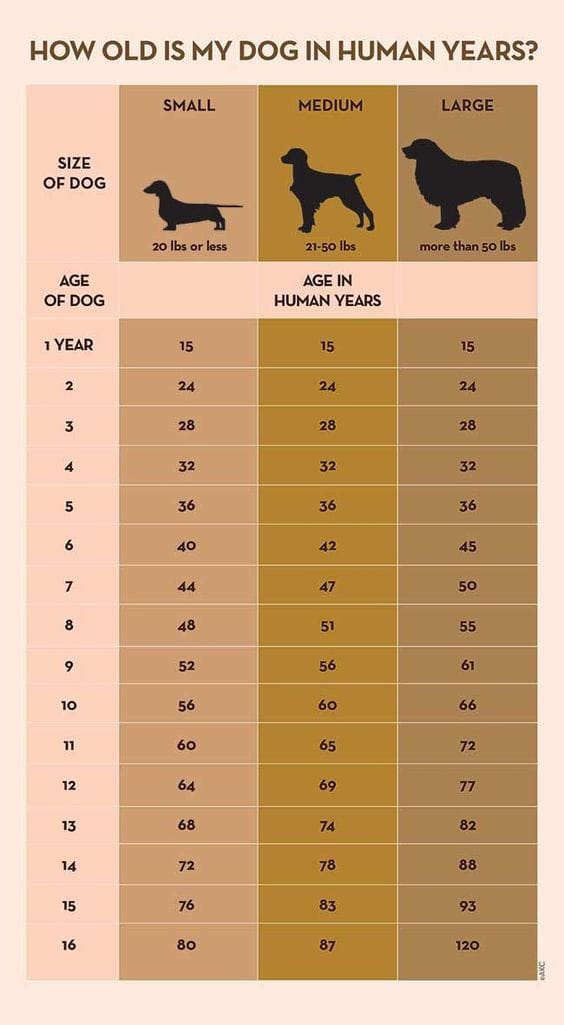
The concept of a “senior dog” is often generalized to around seven years old, but this is a simplification. The reality is that a dog’s senior years are relative to their breed, size, and overall lifespan. Unlike humans, there isn’t a universal age for when a dog becomes a senior. Instead, it’s best understood as the final quarter to one-third of a dog’s expected life span.
Breed and Size Matter in Canine Aging
The primary factors determining when a dog enters their senior years are their breed and size.
Small Dogs: Typically weighing under 20 pounds, small breeds mature faster in their first year, often reaching adulthood by 6 to 8 months. However, they age more slowly thereafter and generally enjoy longer lifespans, potentially living up to 16 years. For these smaller companions, the senior stage might not begin until around 12 years old. However, some small breeds, such as Cavalier King Charles Spaniels, have shorter lifespans and may be considered seniors as early as 8 years old.
Large Dogs: Conversely, larger breeds tend to have shorter lifespans and enter their senior years sooner. For instance, Labrador Retrievers, with an average lifespan of about 12 years, typically enter their senior years between 8 and 9 years old. Giant breeds, like the Bernese Mountain Dog, have even shorter life expectancies, with many considered seniors around 4 to 5 years old, living an average of 6 to 8 years.
Recognizing the Signs of Aging in Your Dog
While age and breed provide a framework, several observable signs indicate your dog is entering their senior years. These can include:
- Physical Stiffness: You might notice increased stiffness in your dog’s limbs, especially in the mornings. This can be an early sign of arthritis, which should always be discussed with your veterinarian.
- Behavioral Changes: Senior dogs may become more impatient, particularly with younger, more energetic pets. They might also experience changes in their sleep patterns or exhibit increased anxiety.
- Appearance: Graying around the muzzle is a classic sign of aging, similar to humans.
- Reduced Activity Levels: A general slowing down in playfulness and overall energy is common.
- Canine Cognitive Dysfunction (CCD): In some senior dogs, signs of CCD can emerge, including disrupted sleep cycles, a diminished sense of smell, increased nighttime activity, and general anxiety.
Essential Care for Your Senior Canine Companion
Providing diligent care is paramount as your dog enters their senior years. This includes a focus on regular veterinary check-ups, appropriate nutrition, tailored exercise, and ongoing mental stimulation.
Veterinary Care is Key
Senior dogs are more susceptible to age-related diseases like osteoarthritis and cancer. Regular veterinary exams, at least annually (or more frequently as recommended by your vet), are essential for early detection and management of any health conditions. Prompt diagnosis allows for effective treatment, significantly improving your dog’s quality of life. Consider exploring resources for best dog breed for seniors to understand breed-specific needs.
Tailored Nutrition for Senior Health
As dogs slow down, their metabolism changes, making them prone to obesity. Excess weight can exacerbate joint pain and negatively impact their overall health and longevity. Consulting your veterinarian for personalized recommendations on diet and ideal weight is crucial. Exploring options like best miniature dogs for seniors can also offer insights into managing the health of smaller breeds.
Exercise and Mental Engagement
Despite reduced activity, senior dogs still require regular exercise to maintain joint health and flexibility. Allow your dog to guide the intensity and type of exercise, discovering what they enjoy most. Equally important is mental stimulation. Engaging your dog in training sessions or puzzle feeders can help keep their minds sharp. Remember, old dogs can indeed learn new tricks! For those considering smaller companions, understanding the needs of best toy dog breeds for seniors is beneficial.
At Falls Road Animal Hospital, our veterinarians possess extensive experience in assessing the health of senior dogs, treating age-related conditions, and providing expert advice on nutrition, exercise, and overall well-being for your aging canine companion. If you’re considering a smaller companion, information on best toy dogs for seniors might be relevant. Additionally, understanding the traits of best mixed breed dogs for seniors can be helpful.
Caring for a senior dog requires patience, understanding, and a proactive approach to their health needs. By recognizing the signs of aging and adapting their care, you can ensure your loyal companion enjoys a comfortable and happy life throughout their golden years. If you have questions about your geriatric dog’s health or need to schedule an examination, please contact our Baltimore vets today. We are here to provide the excellent geriatric care your canine companion deserves.
