
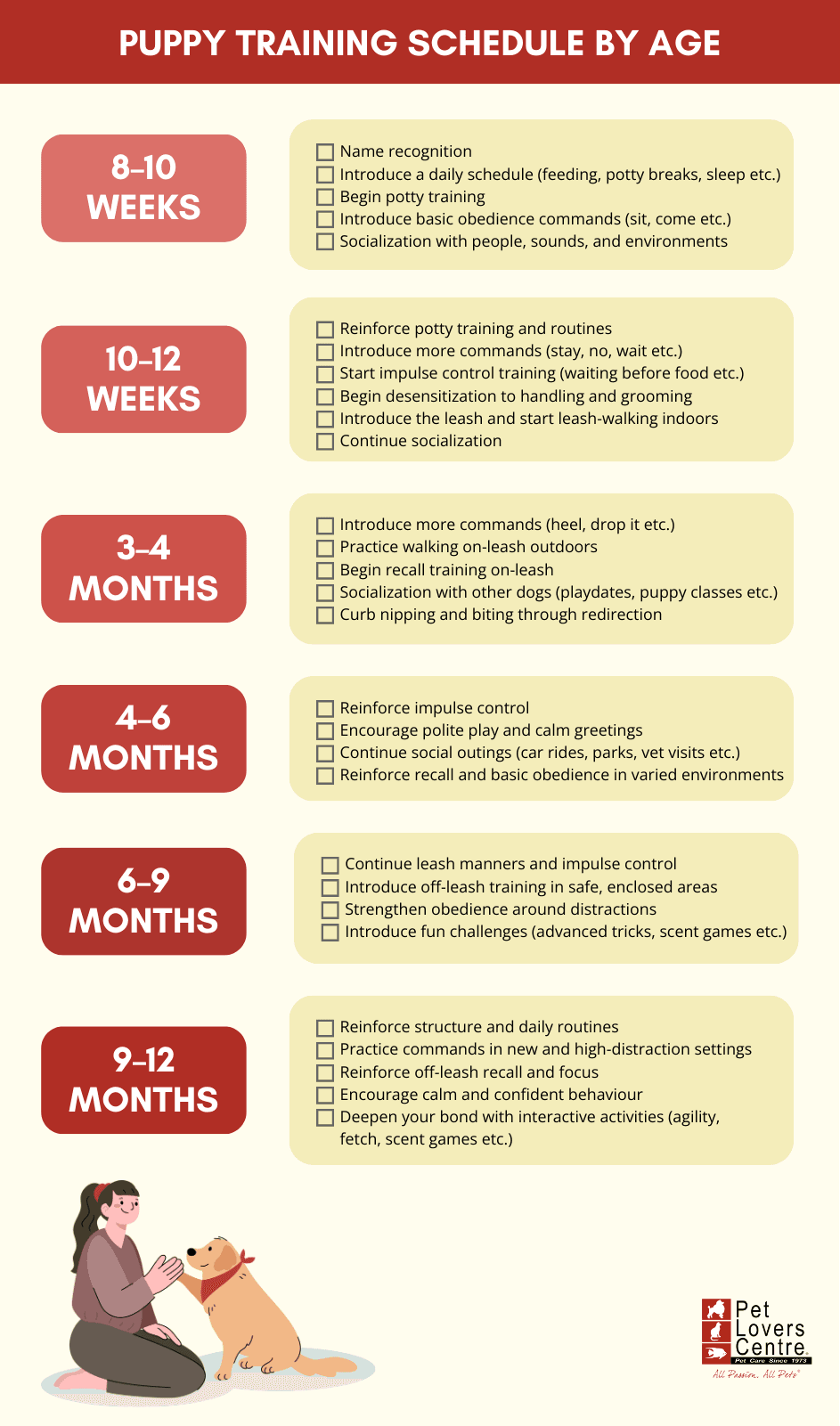
Potty training a dog is a significant milestone for any pet owner, and understanding the typical age range and factors involved is crucial. While there’s no single magic age when all dogs are fully trained, most puppies can achieve reliable house-training between four to six months old. However, this is a general guideline, and the actual time it takes can vary greatly depending on the individual dog, breed, training consistency, and owner’s approach. This comprehensive guide will delve into the nuances of potty training, offering insights and practical advice to help you navigate this rewarding process.
Understanding the Potty Training Timeline
The journey to a reliably house-trained dog begins early, but mastery takes time and patience.
Puppy Potty Training Stages
- 8-12 Weeks: Puppies at this age have very limited bladder and bowel control. They need frequent potty breaks, typically every 1-2 hours, and immediately after waking up, playing, or eating. Accidents are expected and are a normal part of the learning process. This is the foundational stage for learning where to eliminate.
- 3-6 Months: This is the prime window for achieving significant progress in potty training. By this age, puppies generally have better bladder and bowel control. With consistent positive reinforcement, frequent trips outside, and vigilant supervision, many dogs in this age range become reliably house-trained. However, setbacks can still occur, especially during adolescence.
- 6+ Months: While many dogs are mostly trained by this age, some may still have occasional accidents. Older puppies or young adult dogs might require a refresher course in potty training, especially if their routine has been disrupted or if they are in a new environment. For some breeds, particularly larger ones, full bladder control may take a bit longer.
Factors Influencing Potty Training Success
Several elements play a role in how quickly and effectively a dog becomes potty trained. Recognizing and addressing these can significantly impact your success.
Breed and Size
Larger breeds sometimes take longer to develop full bladder and bowel control compared to smaller breeds. However, this is not a strict rule, and individual temperament and training play a more significant role. Some small breeds can be more stubborn, requiring extra patience.
Consistency and Routine
This is arguably the most critical factor. Establishing a consistent schedule for potty breaks, feeding, and playtime is paramount. Dogs thrive on routine, and predictable patterns help them understand when and where they are expected to relieve themselves. Taking your dog out first thing in the morning, after meals, after naps, and before bedtime, and at regular intervals throughout the day, can prevent accidents and reinforce good habits.
Supervision and Management
Constant supervision is key, especially in the early stages. When you cannot actively supervise your puppy, consider using management tools like crates, exercise pens, or baby gates to prevent accidents in the house. Crates, when used correctly, can be highly effective as dogs are naturally reluctant to soil their sleeping area. This instinct aids in the potty training process.
Positive Reinforcement
Positive reinforcement is the most effective and humane method for potty training. When your dog successfully eliminates outdoors, praise them enthusiastically, offer a high-value treat, or engage in a favorite game. This creates a positive association with the desired behavior. Avoid punishment for accidents, as this can create fear and anxiety, potentially leading to a dog hiding to eliminate, which makes training more challenging. Instead, focus on preventing accidents through supervision and a consistent schedule.
Age and Health
While age is a factor, a dog’s overall health is also crucial. Underlying medical conditions, such as urinary tract infections (UTIs), diabetes, or kidney disease, can lead to sudden changes in potty habits. If your dog, regardless of age, experiences a sudden increase in accidents or changes in elimination, consult your veterinarian to rule out any health issues.
Effective Potty Training Strategies
Implementing a well-thought-out strategy can make the potty training process smoother and more efficient.
Establishing a Routine
- Frequent Breaks: Young puppies need to go out every 1-2 hours. As they get older, you can gradually increase the interval between breaks.
- Post-Activity Potty Trips: Always take your puppy outside immediately after they wake up from a nap, after playtime, and after eating or drinking.
- Crate Training: Use a crate as a safe den for your dog when you can’t supervise. Ensure the crate is the right size – just large enough for them to stand, turn around, and lie down comfortably. A crate that is too large may encourage them to potty in one corner.
Recognizing the Signs
Learn to recognize your dog’s signals that they need to go outside. These can include sniffing the ground intently, circling, whining, or heading towards the door. When you see these signs, calmly and immediately take them to their designated potty spot.
Cleaning Accidents Thoroughly
If an accident occurs indoors, clean it up immediately and thoroughly using an enzymatic cleaner specifically designed for pet stains. These cleaners break down the odor molecules, preventing your dog from being attracted back to the same spot. Avoid ammonia-based cleaners, as their scent can mimic urine, potentially encouraging repeat offenses.
Introducing Potty Bells
For some owners, using potty bells can be a helpful tool. Hang bells on the door that your dog uses to go outside. When you take your dog out, jingle the bells and praise them as they eliminate. Over time, your dog may learn to associate the bells with going outside and begin to ring them themselves. This method requires consistency and patience.
Dealing with Setbacks
It’s important to remember that setbacks are a normal part of potty training. If your dog has an accident, don’t scold them. Simply clean it up and recommit to your training schedule. Adolescence can be a challenging time, and regression is not uncommon. Revisit the basics of frequent breaks and positive reinforcement. If you’re struggling with an older dog, consider exploring resources on can an older dog be trained for tailored advice.
Potty Training Challenges and Solutions
Even with the best intentions, you might encounter specific challenges during the potty training process.
Submissive Urination
Some dogs, particularly puppies, may urinate a small amount when excited or when being greeted. This is often a sign of deference or anxiety. Avoid overwhelming your dog with direct eye contact or looming over them. Greet them calmly and let them approach you. As they gain confidence, this behavior often diminishes.
Excitement Urination
Similar to submissive urination, some dogs may leak urine when overly excited. Again, managing their excitement levels and ensuring they have ample opportunities to relieve themselves can help. Ensure they have a potty break before or immediately after exciting events.
Refusal to Potty Outside
If your dog consistently refuses to potty outside, consider if their designated potty spot is appealing enough. Is it too wet, too cold, or too noisy? Sometimes, simply changing the location can make a difference. Also, ensure you are not rushing them; allow them sufficient time to do their business. Learning how to train dog to poop in a specific outdoor area might require a different approach, focusing on rewarding successful eliminations.
Inconsistent House-Training with Older Dogs
If you’ve adopted an older dog or are facing challenges with a dog that was never fully house-trained, patience and a consistent approach are vital. It’s never too late to learn. Resources like petco dog training chicago (even if you’re not in Chicago, the principles of professional training can be enlightening) can offer guidance, or you can adapt basic puppy training principles to an adult dog. The key is to treat them as if they are learning for the first time, with clear expectations and positive reinforcement.
The Role of Diet and Potty Training
A dog’s diet significantly impacts their digestive system and, consequently, their potty habits.
Feeding Schedule
Establish a consistent feeding schedule. Dogs tend to eliminate a predictable amount of time after eating. By feeding your dog at the same times each day, you can better anticipate when they will need to go outside. This predictability is a cornerstone of successful potty training.
Diet Quality
High-quality, easily digestible food can lead to more consistent and predictable bowel movements, reducing the likelihood of sudden accidents. Avoid feeding table scraps or low-quality food, which can cause digestive upset. Consult your veterinarian about the best diet for your dog’s age, breed, and health needs.
Conclusion: Patience and Persistence
Ultimately, successfully potty training a dog is a journey that requires patience, consistency, and a deep understanding of your canine companion. While the average age for full potty training is between four to six months, every dog is an individual. Celebrate every success, learn from every accident, and maintain a positive attitude. By implementing consistent routines, providing ample supervision, and using positive reinforcement, you’ll foster a strong bond with your dog and achieve the goal of a reliably house-trained companion. Remember, the efforts you put in now will lead to a more harmonious and enjoyable life together.
