
As our feline companions age, their dietary requirements evolve, making the choice of food crucial for their well-being. Feeding your senior cat the right nutrition can significantly enhance their quality of life, boost energy levels, and help ward off common age-related health concerns. Navigating the world of senior cat food can seem daunting, but understanding their changing needs is the first step. This article will guide you through the best food options for senior cats and offer practical advice to keep your aging feline companion healthy and content throughout their golden years.
Understanding Senior Cat Nutrition
Cats are generally considered seniors from 7 to 10 years of age, and their nutritional needs begin to differ from those of younger cats. As cats get older, their metabolism tends to slow down, their activity levels may decrease, and they might develop health issues such as kidney disease, arthritis, or dental problems. Therefore, senior cat food is specifically formulated to address these age-related changes. It should contain adequate protein to preserve muscle mass, moderate fat content to prevent obesity, and be fortified with antioxidants and fiber to support overall health.
Key Nutritional Components for Senior Cats
High-Quality Protein
Protein is essential for senior cats to maintain muscle mass and support vital organ functions. Opt for foods where high-quality animal proteins like chicken, turkey, or fish are listed as the primary ingredients. Protein aids in tissue repair and bolsters the immune system, keeping your cat robust.
Controlled Fat Levels
While fat is a source of energy, excessive amounts can lead to weight gain in less active senior cats. Selecting foods with moderate fat content is key to maintaining a healthy weight and avoiding complications associated with obesity.
Fiber for Digestion
Older cats can sometimes experience digestive issues, including constipation. Incorporating foods with added fiber can promote a healthy digestive system and ensure regular bowel movements.
Essential Fatty Acids
Omega-3 and Omega-6 fatty acids play a significant role in maintaining healthy skin and a lustrous coat, reducing inflammation, and supporting joint health, which is particularly important for aging cats.
Vitamins and Minerals
Antioxidants, such as vitamins E and C, help protect the body’s cells from damage. Additionally, essential minerals like calcium and phosphorus are vital for maintaining bone strength, especially crucial for senior cats suffering from arthritis.
Types of Senior Cat Food
Wet Food
Wet food has a higher moisture content, which is highly beneficial for senior cats, particularly those with a predisposition to kidney or urinary tract issues. It is also generally easier to chew and aids in keeping your cat adequately hydrated.
Dry Food
Dry kibble offers convenience and can contribute to maintaining dental health by helping to reduce plaque buildup. However, it is crucial to ensure your senior cat consumes plenty of water if dry food forms the entirety of their diet.
Prescription Diets
For senior cats diagnosed with specific health conditions like kidney disease or diabetes, consulting with your veterinarian is essential. They can recommend or prescribe a specialized diet formulated to effectively manage these particular health concerns.
Top Recommended Foods for Senior Cats
When selecting food for your senior cat, consider these highly regarded options known for their quality and suitability for aging felines:
- Hill’s Science Diet Senior: This brand is recognized for its well-balanced nutrition, featuring antioxidants and high-quality protein sources.
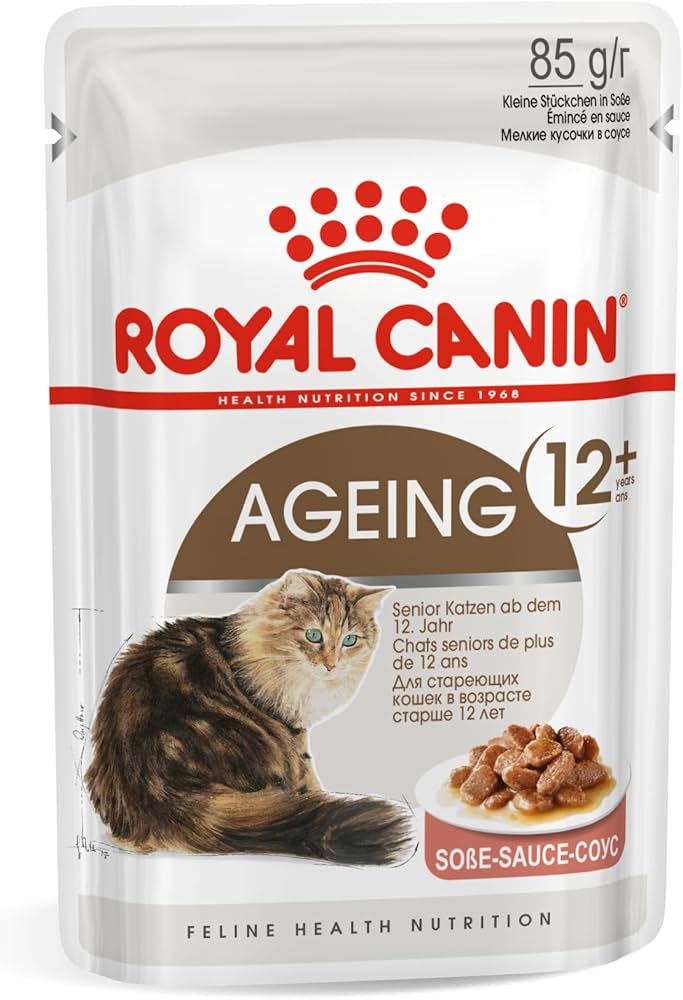
- Royal Canin Aging 12+: Specifically formulated to support joint health and improve digestive function in older cats.
- Blue Buffalo Healthy Aging: Made with natural ingredients and fortified with essential vitamins and minerals for senior pets.
- Purina Pro Plan Focus Senior: Offers a diverse range of protein options and added nutrients designed to enhance vitality.
- Wellness CORE Grain-Free Senior: A protein-rich, grain-free formula abundant in omega fatty acids.
Tips for Feeding Your Senior Cat
Transitioning your cat to a new food should be done gradually over a week to prevent any digestive upset. It’s also important to monitor your cat’s weight and appetite, as sudden changes can signal underlying health issues. Always ensure a constant supply of fresh, clean water. Older cats might digest better with smaller, more frequent meals. Regular veterinary check-ups are indispensable for tailoring dietary needs and monitoring overall health. For those seeking expert advice or personalized senior cat care in Charlotte, NC, consider visiting Rea Road Animal Hospital. Their dedicated team provides comprehensive senior cat care in Charlotte, NC, ensuring your beloved pet ages gracefully with appropriate nutrition and medical support.
In conclusion, selecting the optimal food for your senior cat is paramount to their health and happiness. Prioritize high-quality protein, omega-3 fatty acids, and moisture-rich options while being mindful of phosphorus and sodium levels. Whether you opt for a wet, dry, or a combination diet, ensure it aligns with your cat’s unique health requirements.
FAQs
Q1. When should I start feeding my cat senior food?
Most cats benefit from switching to senior food around 7 to 10 years of age, depending on their breed and health status.
Q2. Can I feed my senior cat regular adult cat food?
While adult cat food is suitable for some seniors, specialized senior formulas better address age-related nutritional changes.
Q3. Is wet food better than dry food for senior cats?
Wet food is often better because it helps with hydration and is easier to chew, especially for cats with dental issues.
Q4. How do I know if my senior cat is overweight?
You can check for overweight signs by feeling your cat’s ribs (they should be easily felt but not visible) and observing if there is a noticeable waist behind the ribs.
Q5. Can I give supplements to my senior cat?
Yes, but always consult your vet before adding supplements to your cat’s diet to avoid overdosing or interactions.
Q6. What if my senior cat refuses to eat new food?
Try mixing the new food with the old gradually, warming the food slightly, or offering different textures to find what appeals to your cat.
