
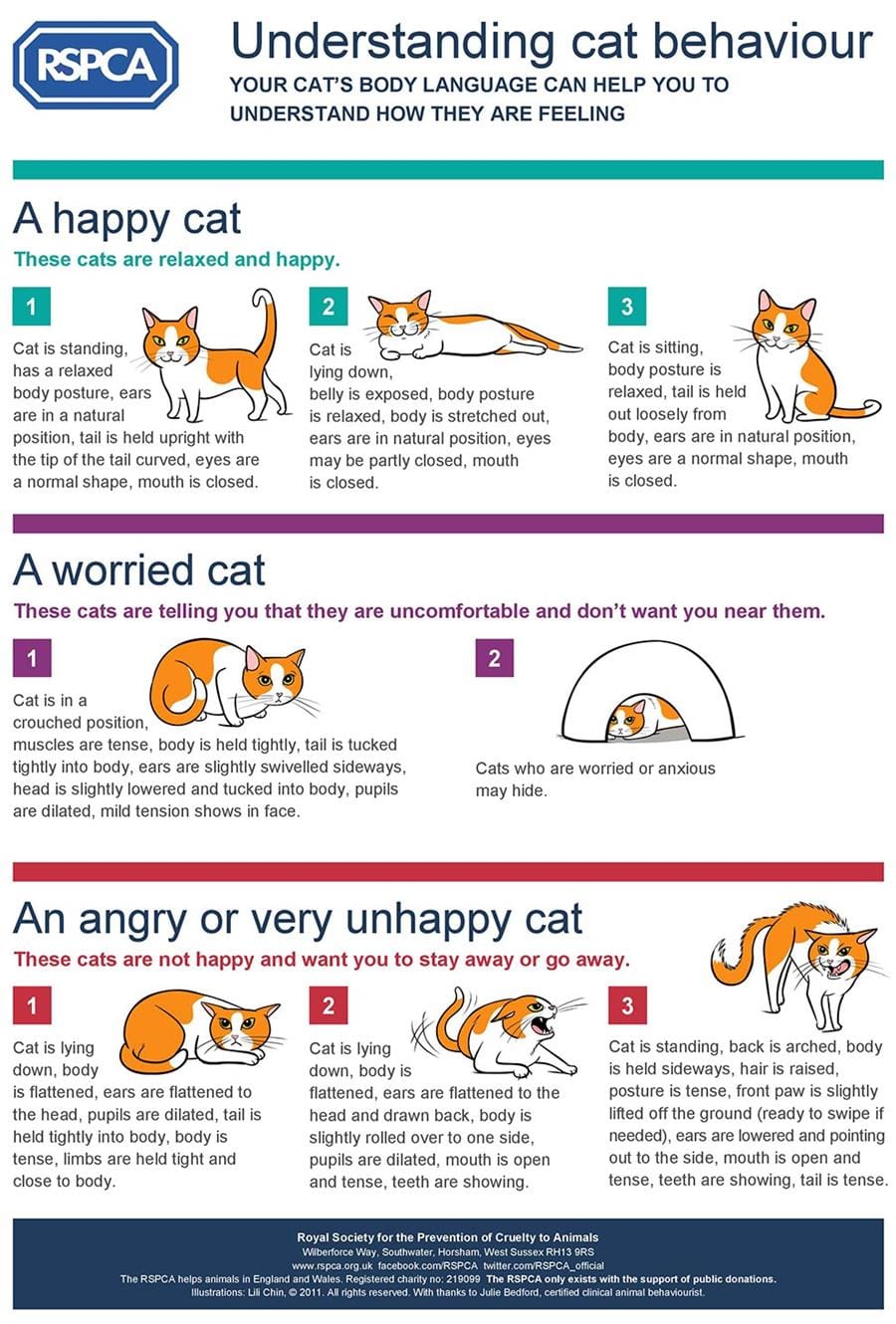
Cats, with their independent spirits and mysterious ways, often leave their human companions wondering about their peculiar actions. From playful antics and affectionate head-butts to peculiar sleeping habits and vocalizations, understanding these behaviors is key to a harmonious relationship with your feline friend. This guide delves into common cat behaviors, explaining their potential meanings and when it might be time to consult a veterinarian.
The Energetic Feline: Bouncing Off the Walls
Kittens and adult cats alike can exhibit bursts of high energy, leading to frantic dashes around the house, furniture acrobatics, and general playful chaos. This “bouncing off the walls” behavior is often a normal way for cats to expend energy. It can sometimes be triggered by catnip, which induces a temporary state of silliness. While this energy expenditure is natural, it’s crucial to ensure your home is a safe environment. Secure any items that could easily be knocked over and keep windows closed to prevent falls, which can lead to serious injuries like fractured ribs or broken jaws – a condition known as “high-rise syndrome.” If your cat’s energy levels are disruptive, engaging them in interactive play sessions, such as chase games, can help expend their energy. Providing them with engaging toys they can use independently can also be beneficial. If you’re struggling to manage this behavior, your veterinarian can offer guidance.
Affectionate Signals: Head Bumping
When your cat gently bumps their head against you, it’s a clear sign of affection and ownership. Cats possess scent glands in their cheeks that release pheromones, marking you as part of their territory and family. While head-butting is a lovely way cats show love, don’t be concerned if your cat doesn’t engage in this specific behavior; many other loving gestures exist.
The Mysterious Chatter: Understanding Vocalizations
You might observe your cat chattering or “ekekek”-ing while intently watching birds outside. This vocalization is often a mix of excitement at the sight of potential prey and frustration at their inability to reach it. Cats also produce a variety of other sounds, including chirps, yowls, and hacking noises, each with its own meaning.
Odd Chewing Habits: When Curiosity Becomes Dangerous
Some cats develop a habit of chewing on unusual items like blankets, socks, plastic bags, or rubber bands. This behavior can stem from various factors, including boredom, anxiety, illness, or even an early weaning process that leaves them with an urge to “nurse” on soft objects. Chewing on inedible items poses significant risks, including choking hazards and intestinal blockages. If your cat exhibits this behavior, a veterinary visit is recommended to determine the underlying cause and appropriate treatment.
The Appeal of Tight Spaces: Napping in Boxes and Corners
Cats naturally seek out small, enclosed spaces like boxes, drawers, or cabinets for their naps. This preference for coziness and security harks back to their wild ancestors, who would sleep in hidden locations to avoid predators. These secure spots often feel safer and more comforting to them than an open pet bed.
A Gift from Your Hunter: The Unwanted Present
Occasionally, cats bring their owners “gifts” such as dead mice or birds. This is a natural instinct and a way for them to express gratitude and share their successful hunt. While it might be unpleasant, it’s best not to scold your cat for this behavior, as it’s an innate part of their predatory nature. Similarly, excessive praise might encourage them to bring more “gifts.” Keeping your cat indoors, as recommended by organizations like the ASPCA, can significantly reduce their ability to hunt wildlife and also protects them from diseases and parasites.
The Independent Cat: Ignoring You
If your cat seems to be ignoring you, it’s likely not a personal slight. Cats are independent creatures and often need their alone time. Respect their need for space when they exhibit this behavior; they will typically seek you out for attention when they are ready.
The Gentle Knead: A Sign of Contentment
Kneading, the rhythmic pushing of paws against a soft surface, is a behavior often traced back to kittenhood. Kittens knead their mother’s belly to stimulate milk flow. For adult cats, it’s often a sign of deep relaxation and contentment. While generally harmless, if your cat’s claws become sharp during kneading, a nail trim might be necessary to prevent discomfort.
Attention-Seeking Behavior: Knocking Things Over
The act of a cat intentionally knocking objects off surfaces can be frustrating, but it’s a common behavior. Cats use their sensitive paws to explore their environment, and swatting at objects is part of this exploration, similar to how they interact with prey. They may also knock things over to gain your attention. The best approach is often to ignore this behavior to avoid reinforcing it. Securing valuable or breakable items out of reach is also a practical measure.
Nibbling on Houseplants: Curiosity and Comfort
Cats may nibble on plants for various reasons, including an upset stomach, a desire for comfort, curiosity, or to get your attention. However, this can be dangerous if they ingest toxic plants like lilies or daffodils. It’s essential to ensure any houseplants are cat-safe and placed where your cat cannot easily access them, as knocking over potted plants can lead to injury and a mess. Potting soil can also harbor parasite eggs, so consider sterilized soil options or keep plants out of reach.
Litter Box Woes: Pooping Outside the Box
When a cat consistently eliminates outside the litter box, it signals an issue that needs addressing. First, ensure the litter box is clean, easily accessible, and in a relatively private location. The general rule is to have one litter box per cat, plus an additional one. Experimenting with different types of boxes (covered, uncovered, varying heights) might reveal your cat’s preference. For older cats, consider litter boxes with lower sides to accommodate potential mobility issues. Persistent litter box problems can also indicate underlying medical conditions, such as a urinary tract infection. If you suspect a health issue or cannot resolve the problem, consult your veterinarian.
The Allure of Running Water: Sipping from the Faucet
Some cats prefer drinking water directly from a faucet. This behavior may stem from their ancestors’ instinct to favor running water, which is generally considered safer than stagnant sources that can harbor bacteria. If your cat occasionally sips from the tap, it’s usually not a concern. However, if they become demanding, consider providing a continuous-flow pet fountain as an alternative.
Seeking Warmth and Attention: Sleeping on Your Laptop
The warmth emanating from a used laptop, or the desire for attention, might explain why your cat chooses your device as a napping spot. Their cleverness in finding ways to interact with you is a common feline trait.
Nocturnal Activities: Staying Up All Night
Some cats exhibit a pattern of sleeping during the day and being active at night. This can be due to a lack of daytime stimulation or a retained ancestral hunting pattern adapted for low-light conditions. While normal, this can disrupt household sleep schedules. To encourage daytime activity, provide engaging toys, rotate them to maintain interest, and consider offering a small meal before bedtime to promote sleepiness. If your cat is unusually vocal or sounds distressed at night, a veterinary check-up is advisable.
Seeking Professional Guidance for Behavioral Concerns
While many cat behaviors are endearing or quirky, persistent issues like nighttime activity or litter box avoidance can be problematic. Although some common behavior problems can be addressed at home, consulting your veterinarian is always recommended for any questions or concerns regarding your cat’s well-being and behavior. If you have pet insurance, behavioral condition diagnosis and treatment may be covered.
