
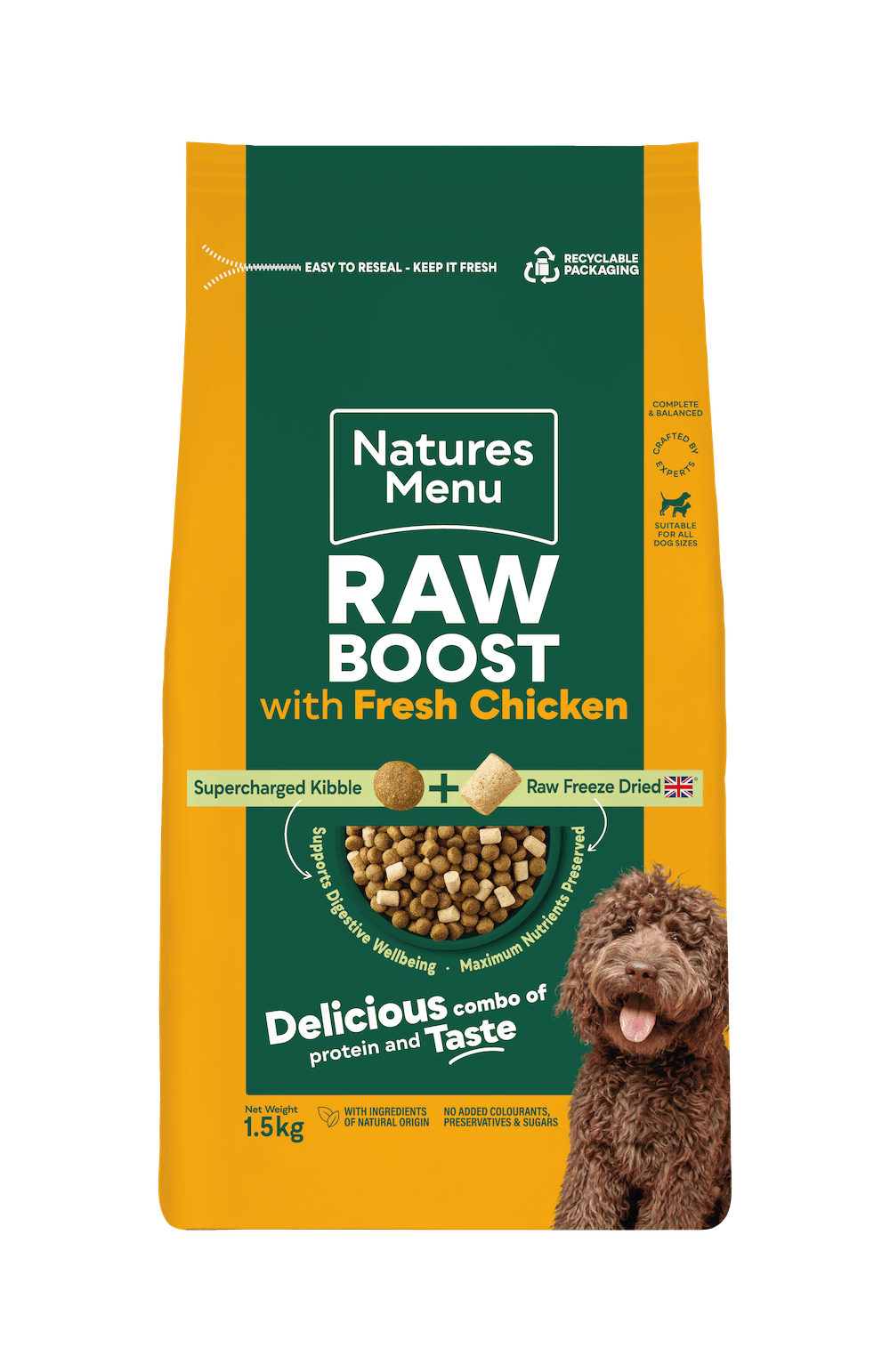
Many pet parents delight in pampering their dogs with treats and extra portions, but it’s crucial to consider your dog’s weight when offering table scraps. According to the Association for Pet Obesity Prevention, over half of dogs in the U.S. are either overweight or obese. Obesity is defined as being 30 percent above ideal body weight, and this excess weight can significantly increase a dog’s risk of developing serious health issues. If your dog is carrying extra pounds, specially formulated Weight Loss Dog Foods can be a safe and effective way to help them shed weight while ensuring they still feel full and maintain energy levels. This guide explores top weight loss dog food options and provides expert advice from veterinarians on selecting the best diet for your canine.
Understanding Weight Loss Dog Food
When searching for a new food for your pet, you’ll notice many products are specifically marketed for weight loss, weight control, or weight management. These foods differ from standard dog kibble in several key aspects. Veterinarians often recommend weight loss foods that are high in protein and low in carbohydrates, rich in fiber to promote satiety, and contain specific nutrients that can boost metabolism.
Weight loss dog food is available in both dry kibble and wet (canned) varieties. Both formats can be successfully used for weight management. Wet foods often contain a higher water content, which can provide a greater sense of volume for dogs that are particularly food-motivated. While many over-the-counter weight loss dog foods are available, your veterinarian might suggest a prescription diet in certain circumstances. These veterinary therapeutic diets are designed to be nutrient-dense yet energy-limited, allowing pets to consume a larger volume of food for fewer calories.
Key Benefits of Helping Your Dog Lose Weight
Assisting your dog in achieving a healthy weight, whether through a specialized diet, increased appropriate exercise, or a combination of both, offers significant advantages. Studies have shown that dogs maintaining a normal weight can live up to 2.5 years longer than their overweight counterparts. Keeping your dog at a healthy body condition score contributes to a longer and happier life together.
Overweight dogs face a higher susceptibility to a range of serious medical conditions. These include osteoarthritis, joint injuries, hypertension, Type 2 diabetes, and systemic diseases affecting the heart, kidneys, bladder, and liver. By managing your dog’s weight, you can proactively reduce their risk of developing these potentially life-threatening conditions.
Choosing the Right Food for Your Dog’s Weight Loss Journey
Selecting the best dog food for weight loss involves understanding your dog’s specific nutritional needs and consulting with your veterinarian. Look for foods that meet the criteria mentioned earlier: high protein, moderate fat, low carbohydrate, and high fiber. Some brands offer specific formulas tailored for weight management, utilizing ingredients that support metabolism and satiety. For example, formulas incorporating ingredients like L-carnitine can aid in fat metabolism.
Consider your dog’s breed, age, and activity level when choosing a food. Small breeds may benefit from smaller kibble sizes, while active dogs might require slightly more calories than sedentary ones, even when dieting. Always transition your dog to a new food gradually over a period of 7-10 days to avoid digestive upset.
Integrating Exercise and Lifestyle Changes
Diet is a cornerstone of weight loss, but it’s most effective when combined with regular exercise. Aim for at least 30 minutes of moderate-intensity exercise daily for most adult dogs, adjusting as needed based on breed and health. This could include brisk walks, fetch sessions, or visits to a dog park. Introducing new physical activities can also keep your dog engaged and motivated.
Beyond structured exercise, encourage more movement throughout the day. Consider puzzle feeders that dispense kibble as your dog plays, or simply increase opportunities for play and interaction. Remember to account for all treats given – even low-calorie options should be factored into the daily intake.
When to Seek Veterinary Guidance
If you’re unsure about the best weight loss strategy for your dog or if your dog has underlying health conditions, consulting your veterinarian is essential. They can perform a thorough health assessment, determine your dog’s ideal weight, and recommend specific dietary plans, including prescription foods if necessary. Your vet can also help identify any medical issues contributing to weight gain and guide you through the process safely. For those looking for reliable options, exploring royal dog food options recommended by vets might be a good starting point for discussion.
Conclusion: A Healthier Future for Your Pet
Helping your dog achieve and maintain a healthy weight is one of the most impactful ways to enhance their quality of life and longevity. By understanding the principles of weight loss dog food, incorporating regular exercise, and working closely with your veterinarian, you can set your dog on a path to a healthier, happier future. Remember that consistency and patience are key. Celebrate small victories and focus on the long-term benefits of a healthy weight for your beloved canine companion. For more insights into canine nutrition, consider exploring resources on the best food for shih tzu or the best dog food for puppies small breed to understand varied nutritional needs.
References:
Association for Pet Obesity Prevention. (n.d.). Obesity Stats. Retrieved from https://petobesityprevention.org/2018
GreatPetCare. (n.d.). Healthy Weight Guide for Dogs. Retrieved from https://www.greatpetcare.com/dog-health/healthy-weight-guide-for-dogs/
Laflamme, D. P., Miller, W. H., & Brewer, B. G. (2018). Association between pet owner demographic characteristics and the
pet’s body condition score. Journal of Veterinary Internal Medicine, 32(3), 1151-1157.
GreatPetCare. (n.d.). Diabetes in Dogs. Retrieved from https://www.greatpetcare.com/dog-health/diabetes-in-dogs/
GreatPetCare. (n.d.). Kidney Disease in Dogs. Retrieved from https://www.greatpetcare.com/dog-health/kidney-disease-in-dogs/
GreatPetCare. (n.d.). Liver Disease in Dogs. Retrieved from https://www.greatpetcare.com/dog-health/liver-disease-in-dogs/
