
Maintaining a healthy weight is crucial for your cat’s overall well-being, longevity, and quality of life. Overweight cats are at a higher risk for numerous health issues, including diabetes, joint pain, and heart disease. Fortunately, specially formulated weight loss diets can help your feline friend shed excess pounds safely and effectively. These foods are typically lower in calories and fat than standard formulas, while being nutrient-dense and often incorporating extra fiber to promote a feeling of fullness. This guide explores the best options available, focusing on veterinarian-recommended criteria and key ingredients that support feline weight management.
Understanding Cat Weight Gain and Management
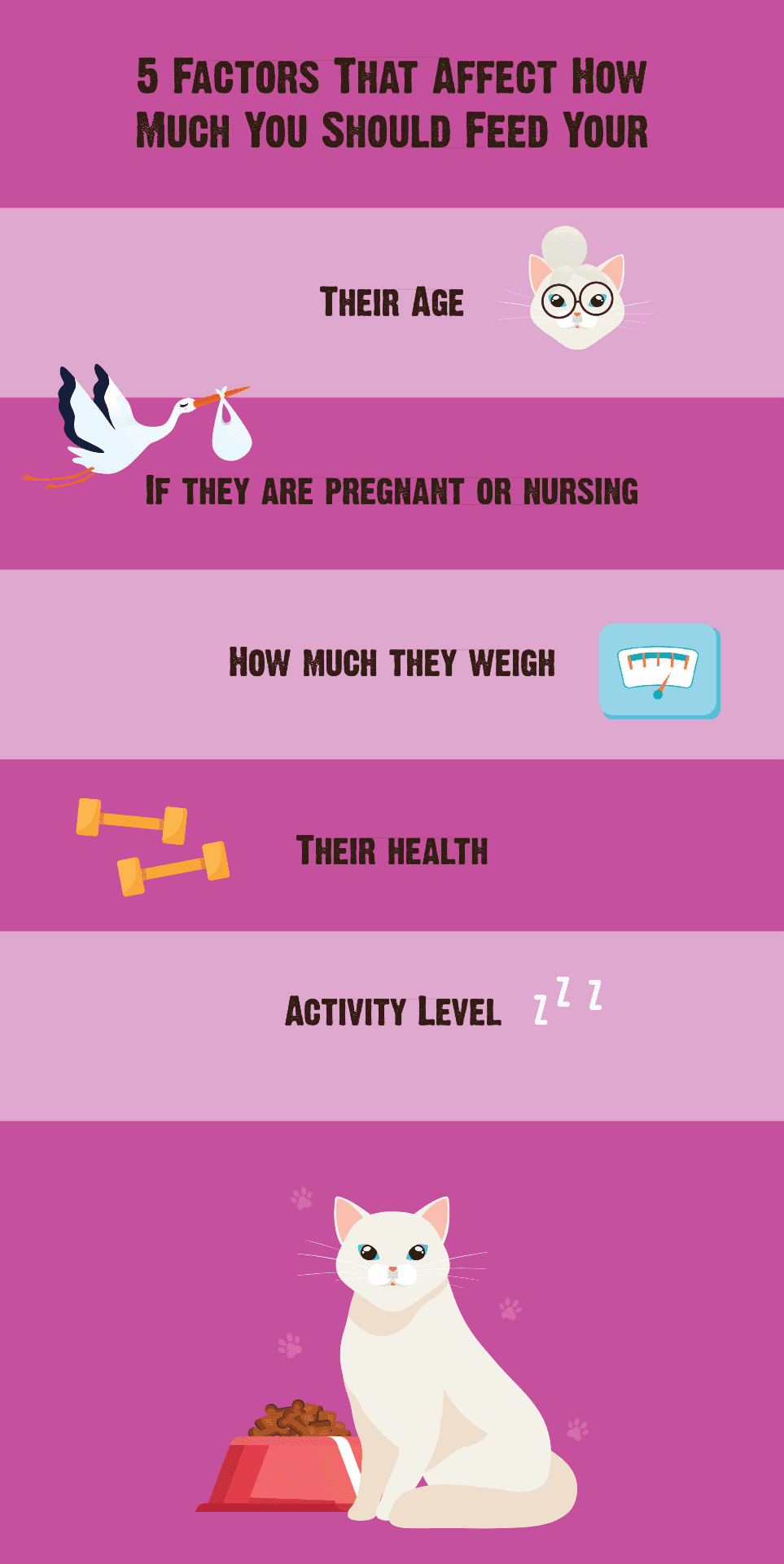
Several factors can contribute to weight gain in cats, including aging, decreased mobility, excessive calorie intake, and insufficient mental and physical exercise. Spaying or neutering, while vital for health, can also lead to a slower metabolism and a tendency to gain weight. If you suspect your cat is overweight, consulting your veterinarian is the first and most important step. A vet can accurately assess your cat’s body condition, calculate their daily caloric needs, and recommend an appropriate weight management plan. It’s essential to understand that simply reducing food portions without proper guidance can be detrimental, potentially leading to nutritional deficiencies.
Key Components of Effective Weight Loss Cat Food
When selecting a weight loss food for your cat, several nutritional aspects are paramount, aligning with standards set by the Association of American Feed Control Officials (AAFCO) and global guidelines from the World Small Animal Veterinary Association (WSAVA).
High-Quality Protein Sources
As obligate carnivores, cats require animal-based proteins to obtain essential amino acids like taurine. Weight loss foods should prioritize whole meats, meat meals, or animal byproducts high on the ingredient list. These provide the necessary protein for maintaining muscle mass during weight loss.
Increased Fiber Content
Fiber plays a critical role in satiety, helping cats feel full and satisfied after meals, thereby reducing begging and overeating. Both soluble and insoluble fiber sources are beneficial. Soluble fibers, such as beet pulp and inulin (derived from chicory root), absorb water to slow digestion. Insoluble fibers add bulk to stool and support digestive health.
Moderate Fat and Controlled Calories
Weight loss formulas are designed with reduced fat content and fewer calories per serving compared to standard foods. This caloric deficit is essential for weight reduction. However, these foods remain nutrient-dense to ensure your cat receives all necessary vitamins and minerals.
L-Carnitine
This amino acid is often included in weight loss diets as it aids in the body’s fat metabolism, helping to convert fat into energy.
Moisture Content (Wet Food Advantage)
Wet cat food typically contains 75-78% moisture, significantly more than dry food’s 10-12%. This higher moisture content can contribute to a cat feeling fuller and can be a primary source of hydration, which is crucial for overall health and can aid in weight management.
Recommended Weight Loss Cat Foods
Based on expert recommendations and nutritional criteria, several cat foods stand out for their effectiveness in supporting feline weight loss.
Best Overall Wet Food
Hill’s Science Diet Perfect Weight Roasted Vegetable and Chicken Medley: This wet food features chicken and pork liver as primary protein sources. It is enriched with powdered cellulose for fiber and L-carnitine for fat metabolism. The nutritional profile, on a dry matter basis, is approximately 38.8% protein, 11.9% fat, and 9.2% fiber.
Best Overall Dry Food
Royal Canin Weight Care Adult Dry Cat Food: This formula utilizes chicken meal as a key protein source and includes powdered psyllium seed husk and dried beet pulp for fiber. It is also supplemented with L-carnitine and fish oil to help burn fat and reduce inflammation. Its nutritional breakdown is around 34% protein, 8.4% fat, and 11.2% fiber.
Best Budget Wet Food
Blue Buffalo True Solutions Weight Control Chicken Recipe: This option offers chicken, chicken liver, and whitefish as protein sources, supplemented with fiber from brown rice and powdered cellulose, along with L-carnitine. It boasts a nutrition breakdown of 38.8% protein, 11.9% fat, and 9.2% fiber.
Best Budget Dry Food
Purina One +Plus High Protein Chicken: Containing chicken and chicken byproduct meal as protein sources, this dry food also includes fiber from whole grain corn and cellulose. It is fortified with L-carnitine for fat burning and L-lysine to support the immune system. The analysis shows 41% protein, 8.5% fat, and 6% fiber.
Best for Senior Cats
Iams Proactive Health Healthy Senior Chicken Recipe: This kibble is designed for senior cats, featuring chicken, chicken byproduct meal, and dried egg product. It provides fiber from dried beet pulp and whole grain corn, along with fish oil for skin and brain health. The nutritional content is approximately 34% protein, 17% fat, and 3% fiber.
Crucial Considerations for Weight Management
Beyond choosing the right food, several other factors are vital for successful feline weight loss.
Portion Control: Precisely measuring your cat’s food is critical. Using a kitchen scale or a calibrated measuring cup is recommended. Even healthy treats contribute to daily calorie intake and should be factored into the total.
Veterinary Consultation: Always consult your veterinarian before making significant dietary changes. They can help you understand your cat’s specific needs, recommend the most suitable food, and guide you on appropriate portion sizes.
Exercise: Regular physical activity is essential for burning calories and preventing boredom, which can lead to overeating. Interactive play sessions, puzzle feeders, and providing climbing opportunities can all encourage your cat to be more active.
Gradual Weight Loss: Cats should lose weight slowly, ideally at a rate of 1-2% of their body weight per week, to avoid serious health complications like hepatic lipidosis (fatty liver disease).
Conclusion
Implementing a successful weight loss plan for your cat involves a combination of appropriate nutrition, diligent portion control, and consistent exercise. By selecting high-quality weight management foods and working closely with your veterinarian, you can help your feline companion achieve and maintain a healthy weight, leading to a longer, happier, and healthier life. Remember that dedication and patience are key, and the rewards of a healthier pet are immeasurable.
