
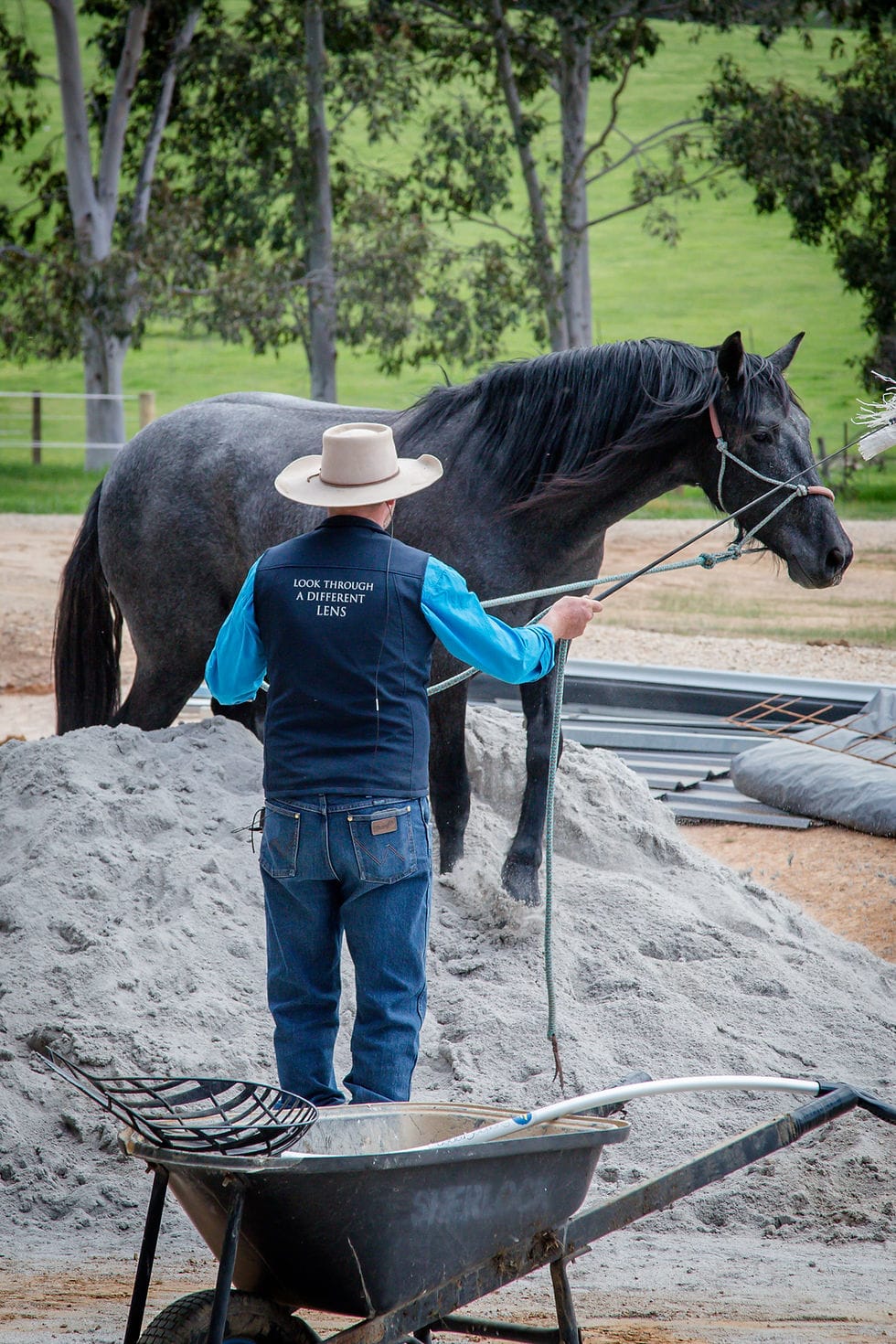
Bringing a weanling into your training program is a significant step, marking the beginning of their journey toward becoming a well-adjusted equine partner. This crucial period, typically between six months and one year of age, is all about building trust, establishing basic handling skills, and fostering a positive association with human interaction. It’s not about rigorous discipline, but rather gentle guidance and laying the foundation for future learning. Think of it as introducing a young child to new concepts – patience, consistency, and positive reinforcement are your most valuable tools. This early training aims to make future handling, grooming, and eventual ridden work as smooth as possible, ensuring your weanling develops confidence and a willingness to engage.
Understanding the Weanling Mindset
At this age, horses are still very much driven by instinct. They are curious, playful, and can be easily spooked. Their social bonds with their dam and herd mates are paramount, and the process of weaning itself can be stressful. Introducing training during or shortly after weaning requires a deep understanding of their emotional state. They are learning about their world, testing boundaries, and developing their personalities. Your role is to be a calm, consistent, and predictable presence, helping them navigate this transition. It’s important to remember that their attention spans are short, so training sessions should be brief, frequent, and always end on a positive note. We want to build a partnership based on mutual respect, not fear.
Essential Foundations: Handling and Desensitization
The cornerstone of weanling training is gentle handling and desensitization. This involves getting them accustomed to being touched, led, and exposed to various sights and sounds in a controlled manner.
Halter Breaking and Leading
Introducing the halter should be a gradual process. Allow the weanling to investigate the halter, perhaps even rub their nose on it, before attempting to place it on. Once fitted, leave it on for short periods, associating it with positive experiences like gentle grooming or a small treat. Leading should be introduced softly. Use a calm voice and gentle pressure on the lead rope, rewarding any forward movement. Avoid yanking or forcing; the goal is for them to follow your lead willingly. If they resist, a gentle nudge or a slight pressure release can encourage them. Mastering groundwork training with a young horse at this stage is invaluable.
Touch and Grooming
Regular grooming is more than just keeping your weanling clean; it’s a vital part of desensitization. Start by grooming areas they are comfortable with, gradually extending to their legs, belly, and face. Pay attention to their reactions. If they show signs of stress, back off and try again later. Introduce clippers, brushes, and hoof picks slowly, allowing them to sniff and observe. The objective is for them to accept being touched all over their body without flinching or becoming anxious.
Desensitization to Environment and Objects
Expose your weanling to a variety of stimuli in a non-threatening way. This could include tarps, cones, strange objects, farm equipment sounds, or even just different types of footing. Start at a distance where they are comfortable and gradually decrease the distance as they show confidence. If they become anxious, create more space immediately. The key is to associate these new things with safety and calm. For instance, a tarp could be laid out flat initially, then gently draped over a fence rail, and eventually, perhaps, loosely held near them.
Introducing Basic Cues
Once your weanling is comfortable with handling and desensitization, you can begin introducing simple cues. These are foundational and will set them up for more complex training later.
The “Come” Cue
Teaching your weanling to come to you on cue is a critical safety and management tool. You can start this during feeding time or when they are in a small, enclosed area. Use a clear, consistent verbal cue, such as “come,” accompanied by a gentle patting motion on your thigh or a soft clicker sound. Reward them enthusiastically with praise and a small treat when they move towards you.
Yielding to Pressure
Teaching your weanling to yield to gentle pressure is essential for leading and future ridden work. Apply light pressure with your hand on their shoulder, asking them to move away from the pressure. As soon as they take a step in the desired direction, release the pressure and praise them. This teaches them to respond to subtle aids rather than physical force. This is a fundamental aspect of hobble training horse principles, focusing on yielding and responsiveness.
Standing Still
Encouraging your weanling to stand quietly is important for grooming, tacking up, and farrier visits. Start by asking them to stand for just a few seconds, rewarding them for stillness. Gradually increase the duration. If they fidget or try to move off, gently ask them to return to their spot and try again. Patience here is key; they are learning impulse control.
Incorporating Play and Positive Reinforcement
Play is a natural part of a young horse’s life and can be a powerful training tool. Use positive reinforcement, such as treats, praise, and gentle scratches, to reward desired behaviors.
Interactive Play
Engage your weanling in gentle play. This could involve a large, soft ball they can nudge, or simply walking around a small paddock and encouraging them to follow. Play helps build their confidence and strengthens your bond. It’s a way for them to learn about their environment and your role in it in a low-pressure, enjoyable way.
Reward-Based Training
Every interaction should ideally have a positive outcome for the weanling. When they respond correctly to a cue, offer a reward. This could be verbal praise, a pat, or a small, healthy treat. The goal is to create an association where engaging with you and learning new things is rewarding. This consistent positive feedback loop is far more effective than punishment, which can create fear and mistrust. Understanding effective reward systems is as crucial as knowing about clint davis horse trainer methods, emphasizing positive engagement.
Introducing Novelty and Experiences
As your weanling gains confidence, you can gradually introduce them to new experiences and environments.
Traveling to New Places
Short trips in a trailer to a quiet, safe arena or paddock can be beneficial. Start with simply getting them used to the trailer, perhaps feeding them inside it. Then, short journeys, followed by a brief period of gentle handling or grooming at the destination before returning home. This prepares them for future transport to shows, lessons, or veterinary visits.
Exposure to Other Horses and People
Carefully managed introductions to calm, well-behaved adult horses can help them learn social cues. Similarly, allowing them to interact with calm, horse-savvy people under supervision can build their confidence around humans. Always supervise these interactions to ensure they remain positive and safe for the weanling.
When to Seek Professional Guidance
While much of weanling training can be done by dedicated owners, there are times when professional help is invaluable. If you encounter persistent behavioral issues, or if you feel unsure about your approach, consulting an experienced horse trainer specializing in young horses is highly recommended. Trainers like those at kea horse training facilities often have a wealth of knowledge and experience in shaping young equines correctly from the start. They can provide personalized guidance and demonstrate effective techniques tailored to your specific weanling.
Conclusion: Building a Lifelong Partnership
Weanling training is an investment in your horse’s future. By focusing on building trust, consistent handling, and positive reinforcement, you are setting the stage for a confident, willing, and well-behaved equine partner. Remember that every horse is an individual, and progress may vary. Celebrate small victories, remain patient through challenges, and always prioritize your weanling’s well-being and developing their relationship with you. This early foundation in Weanling Horse Training will pay dividends throughout their entire life.
