
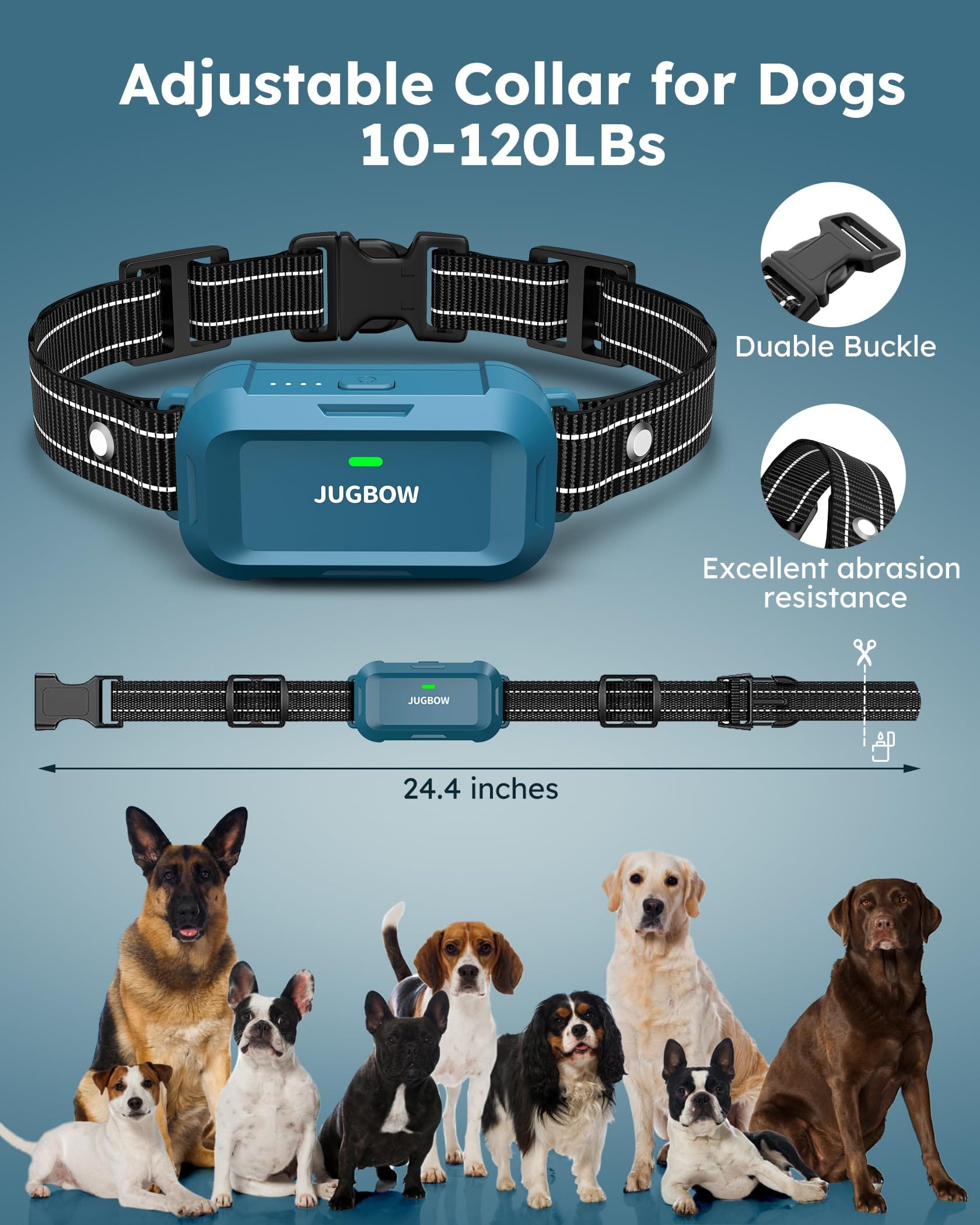
When it comes to training your canine companion, consistency is key. But what happens when your training sessions involve a sudden downpour, a romp on the beach, or a swim in the lake? That’s where Waterproof Dog Training Collars become an indispensable tool for dedicated pet owners. These devices ensure that your training commands remain consistent and effective, regardless of the weather or environment. They provide a reliable line of communication, empowering you to reinforce behaviors and ensure safety, especially during off-leash adventures near water. For many, this technology is the bridge to a more confident and obedient dog. For a more general overview of training tools, one might look at tractor supply dog training collars, but for water-based activities, a dedicated waterproof model is essential.
What Exactly Are Waterproof Dog Training Collars?
At its core, a waterproof dog training collar, often called an e-collar or remote training collar, is a device that allows a handler to communicate with their dog from a distance using a handheld remote. The “waterproof” designation is crucial; it means the collar’s receiver is sealed to prevent water damage, making it fully functional even when submerged.
This is different from “water-resistant,” which might only protect against light splashes or rain. A truly waterproof collar gives you peace of mind that the technology will hold up during swimming, fetching in a lake, or training in heavy rain. These collars typically offer various stimulation modes—such as static, vibration, and sound—to get a dog’s attention and redirect unwanted behaviors.
The Technology Behind the Collar
Understanding how these collars work can demystify the process and highlight their role as a communication tool rather than a punishment device.
- The Receiver: This is the part your dog wears. It’s a small, lightweight box attached to the collar strap that receives signals from the remote. In a waterproof model, this unit is hermetically sealed.
- The Transmitter (Remote): This is the handheld device you control. It sends a radio signal to the receiver, triggering the chosen form of stimulation. Remotes vary in range, from a few hundred yards to over a mile, depending on the model.
- Stimulation Modes: Modern collars are designed with versatility in mind.
- Sound (Beep): Often used as a warning or a marker for a correct behavior, similar to a clicker.
- Vibration: A non-static option that feels like a phone vibrating. It’s excellent for getting the attention of sensitive or hearing-impaired dogs.
- Static Stimulation: This is the most misunderstood feature. It’s not an electric shock but a mild static pulse, similar to the sensation of shuffling your feet on carpet and touching a doorknob. High-quality collars have dozens of levels, allowing you to find the lowest possible level that your dog notices—often just a slight muscle twitch.
“The goal of a training collar is not to cause pain, but to create a noticeable sensation that breaks the dog’s focus on a distraction and redirects it back to the handler,” states Dr. Sarah Miller, a leading canine behaviorist. “When used correctly, it’s a powerful tool for clear communication.”
Key Benefits of a Waterproof E-Collar
Investing in a waterproof dog training collar opens up a world of possibilities for both you and your dog. The benefits extend far beyond just keeping the device safe from rain.
Uninterrupted Training Consistency
Dogs learn best through clear and consistent reinforcement. If your training stops every time it gets wet outside, you create gaps in their learning process. A waterproof collar ensures that rules and boundaries are the same, whether you’re in the living room or at the lake’s edge. This consistency accelerates learning and solidifies commands.
Enhanced Safety and Off-Leash Freedom
For many owners, the primary goal is to give their dog the joy of off-leash freedom. A waterproof collar is a crucial safety net in these scenarios. If your dog is swimming and starts heading too far out, or gets distracted by wildlife near a riverbank, a simple vibration or tone can recall them instantly. This can be lifesaving, preventing them from getting lost, encountering danger, or ignoring commands in a highly stimulating environment. For those with specific needs, like hunters, having reliable gear is paramount, which is why many invest in specialized dog hunting training supplies.
Effective for Water-Loving Breeds
Breeds like Labrador Retrievers, Golden Retrievers, and Poodles are natural-born swimmers. Training them for activities like dock diving, retrieving from water, or simply behaving safely at the beach requires a tool that can handle the environment. A waterproof collar allows you to communicate and guide them while they are doing what they love most.
How to Choose the Right Waterproof Dog Training Collar
With so many options on the market, selecting the right collar can feel overwhelming. Focus on these key features to find a model that suits you and your dog’s specific needs.
- IP Rating: Look for an IPX7 rating or higher. This certifies that the collar receiver can be submerged in up to 1 meter of water for 30 minutes without damage. This is the gold standard for waterproof claims.
- Range: Consider your lifestyle. If you’re mostly training in a backyard or park, a range of 300-500 yards is sufficient. For hiking or hunting in dense terrain, you’ll want a model with a range of a half-mile or more.
- Battery Life: Rechargeable lithium-ion batteries are standard now. Look for models with long-lasting batteries and, ideally, a feature that allows you to charge both the remote and the collar simultaneously. A quick-charge feature is also a huge plus.
- Stimulation Levels: More is better. A collar with 1-100 levels of stimulation offers much finer control than one with only 1-10. This allows you to find the “just noticeable” level for your dog, ensuring the correction is always humane. The evuime dog training collar is one example known for its range of levels.
- Dog’s Size and Temperament: Ensure the collar is appropriately sized and weighted for your dog. A heavy, bulky receiver is unsuitable for a small breed. Likewise, consider your dog’s sensitivity. A highly sensitive dog may only ever need the vibration or beep functions.
A Step-by-Step Guide to Safely Using Your Collar
Proper introduction and use are critical to success with a training collar. Rushing this process can create fear and confusion.
- Introduce the Collar: Have your dog wear the collar (turned off) for several days, associating it with positive things like treats, meals, and playtime. You want them to be completely comfortable with it before you ever use a stimulation.
- Find the Working Level: Start at level 0 and, while your dog is slightly distracted, press the button. Increase the level by one increment at a time until you see a very subtle reaction—an ear twitch, a turn of the head. This is your “working level.” It should not be a yelp or a jump.
- Teach a Known Command: Start with a command your dog already knows well, like “Sit” or “Come.” Give the command, and as you do, apply the continuous stimulation at their working level. The moment they comply, release the button and reward them enthusiastically. They learn that their action turns off the sensation.
- Layer on New Commands: Once your dog understands the concept, you can begin to layer the collar’s cues onto new commands and use it to correct unwanted behaviors like jumping or nuisance barking.
- Keep it Positive: The collar should be a tool for communication, not punishment. Always pair corrections with guidance and reward the correct behavior. Never use the collar in anger or frustration.
Many training methodologies exist, and some collars like the bebang dog training collar come with detailed manuals that can help guide you through these initial steps.
Frequently Asked Questions (FAQ)
Are waterproof dog training collars safe and humane?
Yes, when used correctly. A quality modern e-collar is designed to be a safe communication tool. The static stimulation is mild, and the goal is to find the lowest possible level that gets your dog’s attention. It’s crucial to follow proper introduction protocols and never use the collar to punish a fearful or anxious dog.
Can my dog swim while wearing the collar?
Absolutely, provided you have a model with an IPX7 rating or higher. These are specifically designed for submersion, making them perfect for dogs who love the water. Always rinse the collar with fresh water after use in salt water to prevent corrosion.
How old should my dog be before I start using a training collar?
Most professional trainers recommend waiting until a puppy is at least 6 months old. By this age, they have a better grasp of basic commands and are mature enough to understand the cause-and-effect relationship of the collar’s stimulation.
Will the collar shock my dog?
The term “shock collar” is outdated and misleading. Modern devices deliver a transcutaneous electrical nerve stimulation (TENS), which contracts muscles, not an electric shock that harms tissue. The sensation is annoying and startling, not physically painful, especially at the low levels used for training.
How long can my dog wear the collar each day?
To prevent skin irritation (pressure necrosis), it’s recommended not to leave the collar on for more than 8-10 hours at a time. You should also check the fit regularly and reposition the receiver on the dog’s neck every couple of hours.
The Final Word on Waterproof Training Collars
A waterproof dog training collar is far more than just a gadget; it’s a gateway to enhanced communication, safety, and freedom for you and your dog. It allows your training to transcend environmental barriers, building a more reliable and responsive companion in any situation. By choosing the right device, introducing it properly, and committing to its fair and consistent use, you can strengthen your bond and unlock a new level of confidence in your canine partner. Understanding how to use these waterproof dog training collars responsibly is the final, crucial step in this rewarding journey.
