
Starting the journey of training a waterfowl retriever is an exciting endeavor, a partnership built on instinct, communication, and the right set of tools. Before you and your gundog can experience the thrill of a perfect retrieve in the marsh, you need to lay a solid foundation. The cornerstone of this foundation is a comprehensive Waterfowl Dog Training Kit. This isn’t just about having gear; it’s about having the right gear to effectively shape behavior, build drive, and ensure clear communication with your canine partner.
A well-equipped kit transforms abstract training concepts into tangible lessons. It allows you to simulate hunting scenarios, refine obedience, and build your dog’s confidence in a controlled environment. Before you can master the field, understanding the fundamentals is key. The entire journey of how to train a waterfowl dog begins with assembling the right equipment. Whether you’re a first-time owner of a promising pup or a seasoned hunter looking to elevate your dog’s skills, this guide will walk you through every essential item you need to build the ultimate training toolkit.
The Core Components of Every Training Kit
While you can find countless gadgets on the market, a successful training program is built on a few key essentials. These are the non-negotiable items that form the backbone of your waterfowl dog training kit.
Training Dummies (Bumpers)
The most fundamental tool is the training dummy, or bumper. These are used to simulate birds for retrieving exercises. They come in various shapes, sizes, and materials to prepare your dog for different situations.
- Canvas Dummies: These are the workhorses of your kit. They’re durable, hold scent well, and are perfect for everyday drills on both land and water. Start with a few standard 2- or 3-inch white dummies, as they are highly visible for a young dog.
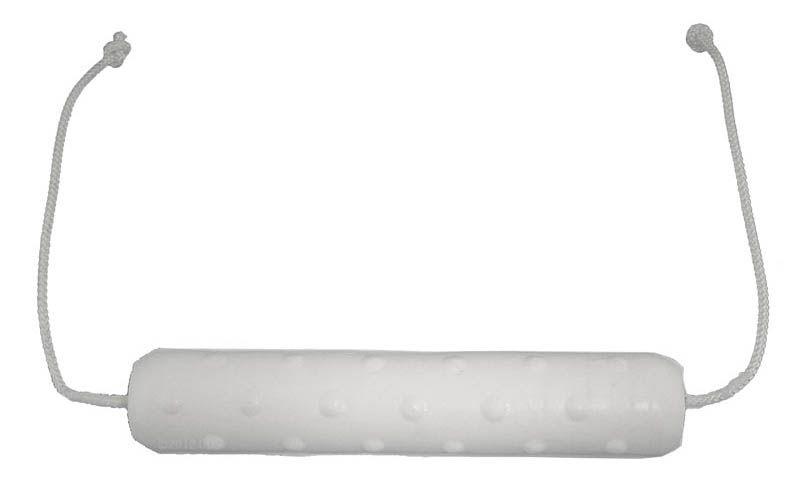
- Plastic Dummies: Hard plastic dummies are excellent for water work. They float high, are easy to clean, and often feature a knobby texture that encourages a proper hold.
- Bird-Like Dummies: As training progresses, introducing dummies that look and feel more like real birds can be beneficial. These often have fabric “wings” or a more realistic shape and weight.
The Whistle: Your Long-Distance Voice
A good whistle is your primary means of communication when your dog is at a distance. Commands given by voice can be lost to wind, water, or excitement, but the sharp, clear tone of a whistle cuts through. The most common choice is the Acme Tornado Pealess Whistle, favored for its high-pitched, consistent sound that carries far. Consistency is crucial, so choose one whistle and stick with it.
The Check Cord or Long Leash
A check cord is a long, durable rope, typically 20 to 50 feet, that acts as a safety line and control tool during early training. It allows you to give your dog a sense of freedom while maintaining the ability to correct them or guide them through drills. It’s indispensable for teaching steadiness, reinforcing recall commands, and introducing new concepts without losing control of the dog.
 An overhead shot of a complete waterfowl dog training kit, including canvas dummies, a whistle, a check cord, and a launcher.
A Dedicated Training Bag
Having a durable, organized bag to carry your gear is more important than it sounds. A good field bag will have multiple compartments to keep your dummies, whistles, ropes, and other accessories separate and easily accessible. It saves you time and frustration in the field, allowing you to focus on your dog.
Building Your Kit: Pre-Made vs. DIY
Once you know what you need, the next question is how to acquire it. You can purchase a pre-assembled waterfowl dog training kit or build your own by buying each component individually.
The Pros and Cons of Pre-Made Kits
Ready-to-go kits are an excellent option for beginners. They are curated by experts and typically include all the foundational items you need to get started immediately.
- Pros: Convenient, often cost-effective, and takes the guesswork out of selecting individual items.
- Cons: May include items you don’t need or lack the specific type of dummy or whistle you prefer. Quality can vary between brands.
The Advantages of a DIY Approach
Building your own kit gives you complete control over the quality and type of each piece of equipment. You can tailor it perfectly to your dog’s specific needs and your training style.
- Pros: Full customization, ability to select best-in-class items from different manufacturers, and you can build it over time as your budget allows.
- Cons: Can be more expensive and requires more research to ensure you’re buying the right gear.
Dr. Samuel Evans, a veterinarian and veteran gundog trainer, advises, “Starting with quality equipment is an investment in your dog’s success. A cheap dummy that falls apart or a whistle with an inconsistent tone can create confusion and setbacks. Build your kit with tools you can trust, whether you buy it all at once or one piece at a time.”
How to Use Your Waterfowl Dog Training Kit Effectively
Owning the gear is only the first step; knowing how to use it is what creates a champion retriever. Here’s a basic overview of how these tools come together.
- Yard Work Basics: Start in a controlled area like your backyard. Use the check cord to practice basic obedience—sit, stay, and here (recall). Keep sessions short and positive.
- Introducing the Dummy: Begin with short, simple retrieves. Toss a white canvas dummy a few feet away and encourage your dog to fetch it. Use the check cord to gently guide them back if they get distracted.
- Whistle Commands: Integrate the whistle early on. Use a single sharp “pip” for the “sit” command at a distance and a series of pips for “here.” The goal is for the dog to respond to the whistle just as they would your voice.
- Adding Distance and Difficulty: As your dog masters the basics, gradually increase the distance of your retrieves. Move from the yard to an open field. This is where your long check cord becomes invaluable for maintaining control as your dog works further away from you.
- Water Introduction: Start in shallow, calm water. Use a plastic, high-floating dummy. Keep the initial water retrieves short and successful to build confidence. Never force a dog into the water.
Expanding Your Kit: Gear for Advanced Training
Once your dog has mastered the fundamentals, you may want to add more specialized equipment to your waterfowl dog training kit to simulate more complex hunting scenarios.
Dummy Launchers
Handheld or remote-activated dummy launchers can propel a training dummy much farther than you can throw it. This is essential for teaching your dog to mark (watch and remember where a bird falls) at long distances and to run straight lines.
Scent Injectors and Waxes
To better simulate a real bird, you can use scent injectors to add duck or pheasant scent to your canvas dummies. This helps your dog learn to use its nose, a critical skill for finding downed birds in heavy cover.
Specialized Dummies
- Flashing Dummies: These have a black-and-white pattern that simulates the look of a bird fluttering as it falls, making it easier for the dog to mark against a sky or tree line.
- Dokken’s DeadFowl Trainers: These are foam dummies designed with the shape, weight, and feel of a real bird, featuring a hard, free-swinging head to discourage shaking.
Frequently Asked Questions (FAQ)
What is the most important item in a waterfowl dog training kit?
While every item has its purpose, the training dummy is arguably the most essential. It is the central object of the retrieve, the very thing your dog is being trained to do. However, a whistle is a close second for its importance in long-distance communication.
How many dummies do I need to start?
A good starting point is three to four dummies. This allows you to run simple multiple-retrieve drills without having to stop and collect the dummy after every single throw, which keeps the training session flowing.
At what age can I start using a training kit with my puppy?
You can introduce the concepts of retrieving with a soft puppy dummy as early as 8-10 weeks old. Keep it playful and fun. Formal training with whistles and check cords should wait until the puppy is around 6 months old and has a solid grasp of basic obedience.
Should I use real bird wings on my dummies?
Attaching a real bird wing to a dummy can be an excellent step in transitioning a dog from bumpers to actual birds. It introduces them to the scent and texture of feathers, which can help prevent issues with holding a real bird later on.
How do I clean my training dummies?
Canvas dummies can be hand-washed with mild soap and water and should be air-dried completely to prevent mildew. Plastic dummies are the easiest to clean; simply rinse them off with water after each use.
The Final Retrieve
Assembling your waterfowl dog training kit is the first tangible step in forging an unbreakable bond with your gundog. Each dummy, whistle, and cord is a tool for communication, a way to translate your expectations into a language your dog can understand. Remember that patience, consistency, and positivity are just as important as any piece of equipment in your bag. By investing in the right tools and dedicating yourself to the training process, you’re not just preparing for a successful hunting season; you’re embarking on a rewarding journey that will create a confident, skilled, and loyal partner for years to come. The real story begins when you and your dog step into the field, perfectly in sync, ready for whatever the hunt brings.
