
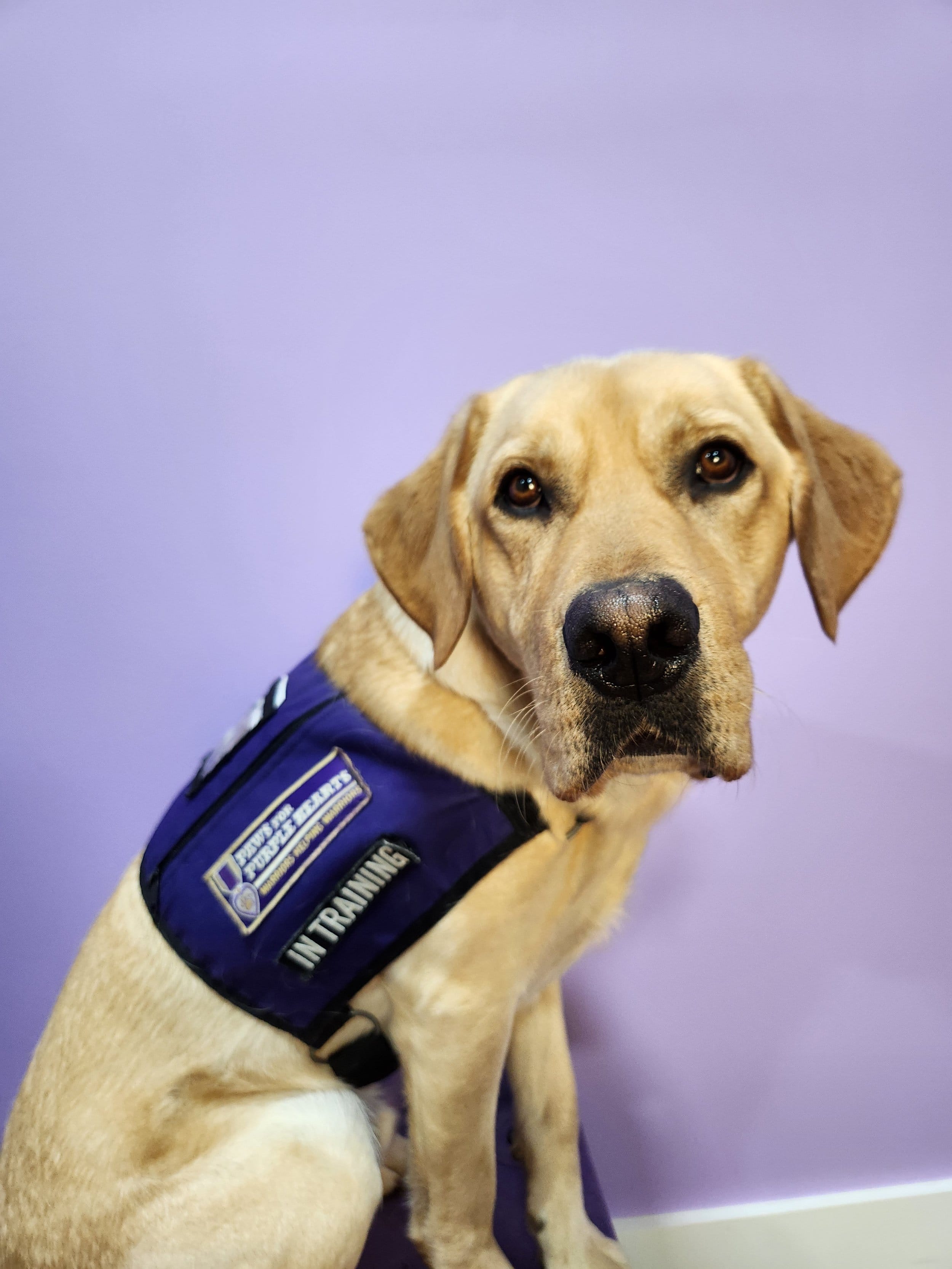
Navigating the world of service dogs in Washington State involves understanding specific training protocols, legal rights, and resources available to both handlers and their canine partners. This guide aims to demystify the process, offering insights into what makes a dog a service animal, the best training approaches, and where to find support within Washington. Whether you’re considering obtaining a service dog or looking to enhance your current partnership, this resource is designed to provide clarity and actionable advice. The journey of training a service dog is a rewarding one, demanding commitment, consistency, and a deep understanding of canine behavior and task-specific training.
Understanding Service Dogs in Washington State
A service dog is not just a pet; it’s a highly trained canine partner that performs specific tasks to assist an individual with a disability. In Washington State, as with the rest of the United States, the definition and rights afforded to service dogs are governed by the Americans with Disabilities Act (ADA). It’s crucial to distinguish service dogs from emotional support animals (ESAs) or therapy animals. ESAs provide comfort by their presence but do not perform specific tasks related to a disability. Therapy animals offer comfort and support in various settings like hospitals and nursing homes, but they also do not perform disability-specific tasks and are not granted the same public access rights as service dogs.
Legal Framework and Definitions
The ADA defines a service animal as “any dog individually trained to do work or perform tasks for the benefit of an individual with a disability, including a physical, psychiatric, sensory, intellectual, or other mental disability.” Under Washington State law, this definition is largely mirrored, ensuring that individuals with disabilities have the right to be accompanied by their service dogs in all places of public accommodation. It’s important to note that handlers are not required to carry identification or certifications for their service dogs, although many choose to do so for convenience. Businesses may ask two specific questions: (1) Is the dog a service animal required because of a disability? and (2) What work or task has the dog been trained to perform? They cannot inquire about the individual’s disability or demand a demonstration of the dog’s tasks.
Types of Tasks Service Dogs Perform
The tasks a service dog can be trained to perform are as diverse as the disabilities they assist. These can include, but are not limited to:
- Mobility Assistance: Providing balance and support to individuals with mobility impairments, retrieving dropped objects, opening doors, and assisting with getting up or down.
- Psychiatric Assistance: Alerting to the onset of psychiatric episodes, interrupting self-harming behaviors, providing deep pressure therapy during anxiety attacks, and retrieving medication.
- Sensory Assistance: Guiding individuals who are blind or visually impaired, alerting individuals who are deaf or hard of hearing to sounds, and detecting environmental hazards.
- Medical Alert: Alerting to medical emergencies such as seizures, diabetic fluctuations (blood sugar highs or lows), or impending allergic reactions.
- Dignity and Privacy: Assisting individuals with specific needs related to personal care or privacy.
Public Access Rights
Service dogs are permitted to accompany their handlers in virtually all public places, including restaurants, shops, healthcare facilities, government buildings, and public transportation. This right is fundamental to ensuring individuals with disabilities can participate fully in society. Washington State law upholds these rights, and handlers are protected from discrimination based on their need for a service dog.
Service Dog Training in Washington State
The training for a service dog is a rigorous process that typically takes 1-2 years, sometimes longer, depending on the complexity of the tasks and the individual dog. It involves two main components: public access training and task-specific training. For those seeking professional assistance in Washington State, various trainers and organizations offer specialized programs.
Professional Training Programs and Trainers
Washington State boasts a number of reputable organizations and certified professional dog trainers (CPDTs) specializing in service dog training. These professionals often have extensive experience with different breeds and disabilities, offering tailored programs to meet individual needs. When selecting a trainer or program, it is advisable to look for those who:
- Follow positive reinforcement methods.
- Have a proven track record and offer references.
- Are transparent about their training process and costs.
- Understand the legal requirements for service dogs.
Some organizations focus on specific types of service dogs, such as psychiatric service dogs or mobility assistance dogs. Researching local organizations that align with your specific needs is a critical first step. For example, if you are looking into service dog training washington state, you’ll find various options ranging from independent trainers to larger non-profits.
Task-Specific Training
This is the core of service dog training, where the dog learns to perform the specific actions that mitigate the handler’s disability. This training is highly individualized. For instance, a psychiatric service dog might be trained to detect subtle changes in a handler’s mood or physiological state, while a mobility service dog might be trained to brace or retrieve. The effectiveness of this training relies on clear, consistent commands and reinforcing the desired behaviors. The concept of how to potty train a dog with bells is a basic obedience skill that forms the foundation, but advanced task training requires much more specialized techniques.
Public Access Training
This component ensures the dog behaves impeccably in public settings. A service dog must remain calm, focused, and non-disruptive in a wide variety of environments, regardless of distractions. This includes being comfortable in crowds, around other animals, and in noisy places. Proper public access training is essential for the dog to be a reliable partner and to uphold the reputation of service dogs. This is a key aspect of any comprehensive training for a service dog.
Finding Resources and Support
Beyond training, handlers in Washington State can benefit from various resources and support networks. These can range from local advocacy groups to national organizations that provide information and assistance.
Washington State Specific Resources
Several organizations in Washington State are dedicated to assisting individuals with disabilities and their service animals. These may offer training programs, advocacy, or connect individuals with experienced trainers. Exploring options for service dog training washington state can lead to discovering these local gems.
National Organizations and Certifications
While official certification is not mandated by the ADA, many handlers opt for voluntary certifications through reputable organizations. These can sometimes streamline interactions in public and provide a standardized measure of a dog’s training. National organizations also offer valuable resources, research, and advocacy efforts that benefit service dog handlers nationwide. If you are looking for a broad overview, a service dog training guide from a national body can be very informative.
Legal Rights and Advocacy
Understanding your rights as a service dog handler in Washington State is paramount. Local disability rights organizations and legal aid societies can provide information and support if you encounter issues with public access or discrimination. Staying informed about both federal and state laws ensures that you and your service dog can navigate public spaces with confidence. The training for a service dog process also involves educating the handler on these rights and responsibilities.
Veterinary Care and Well-being
Ensuring the health and well-being of your service dog is as crucial as its training. Regular veterinary check-ups, proper nutrition, and appropriate exercise are vital. Service dogs are working animals, and their physical and mental health directly impacts their ability to perform their tasks. Some training programs, like those focusing on therapy training for dogs, also emphasize the importance of the animal’s welfare.
Conclusion: Building a Strong Partnership
The journey of training a service dog in Washington State is a testament to the incredible bond between humans and canines. It requires dedication, patience, and a commitment to excellence. By understanding the legal landscape, choosing appropriate training methods, and leveraging available resources, handlers can build a strong, reliable partnership that significantly enhances their quality of life. Whether you are embarking on this path or seeking to deepen your understanding, the resources and community support within Washington State are there to guide you every step of the way. The ultimate goal is a well-trained, capable service dog that empowers its handler to live a more independent and fulfilling life.
