
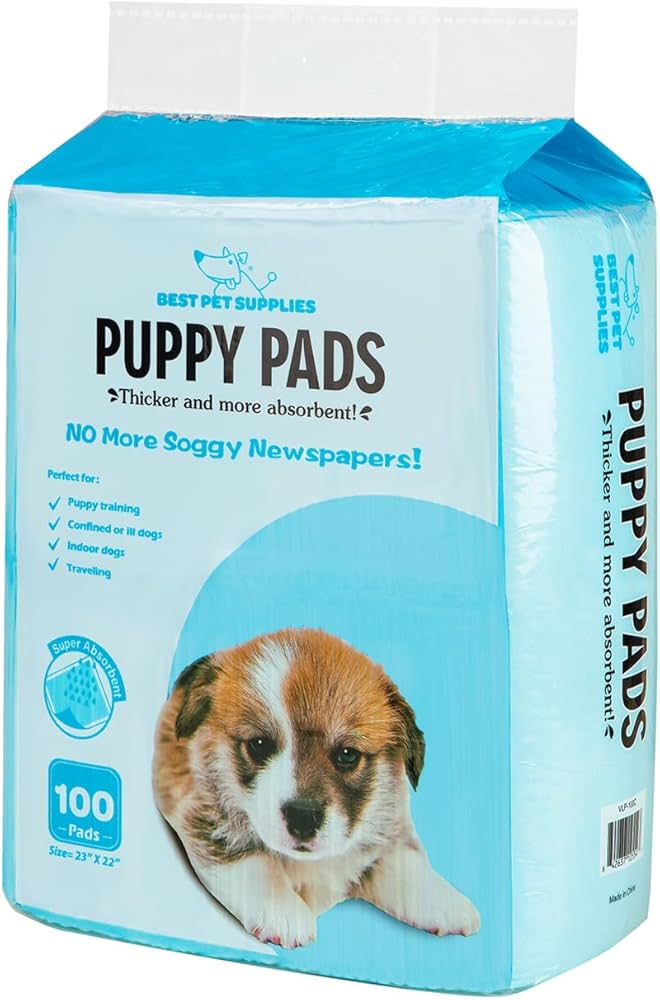
Choosing the right potty solution for your puppy or senior dog can be a daunting task. Among the many options, washable training pads stand out as a sustainable, cost-effective, and highly practical choice for many dog owners. These reusable pads offer a reliable way to manage accidents indoors, providing comfort for your pet and peace of mind for you. This comprehensive guide delves into everything you need to know about washable training pads, helping you make an informed decision for your furry friend.
The Importance of Potty Training Your Dog
Potty training is a fundamental aspect of responsible dog ownership. A well-trained dog is a joy to live with, while an untrained dog can lead to frustration and damage to your home. The goal of potty training is to teach your dog to eliminate only in designated areas, whether it’s outdoors or on a specific indoor pad. This process requires patience, consistency, and the right tools. Washable training pads can be an invaluable asset during this critical phase, offering a controlled environment for your dog to learn.
Why Choose Washable Training Pads?
Traditional disposable training pads are convenient for single-use, but their environmental impact and ongoing cost can be significant. Washable training pads offer a compelling alternative for several reasons:
- Eco-Friendly: By opting for reusable pads, you drastically reduce the amount of waste generated compared to disposable options. This is a significant benefit for environmentally conscious pet owners.
- Cost-Effective: While the initial investment in washable pads might be higher, they save you money in the long run. You won’t need to continuously purchase disposable pads, making them a more economical choice over time.
- High Absorbency and Leak-Proof: Modern washable training pads are designed with advanced materials that provide excellent absorbency. They typically feature multiple layers, including a top layer that wicks moisture away, an absorbent core, and a waterproof backing to prevent leaks and protect your floors.
- Odor Control: Many high-quality washable pads incorporate odor-neutralizing technologies, helping to keep your home smelling fresh even with frequent use.
- Durability: These pads are built to withstand repeated washing and drying, maintaining their performance and integrity over many uses.
How Washable Training Pads Work
Washable training pads function similarly to disposable ones but are designed for longevity. They are typically made of several layers:
- Top Layer: This layer is usually soft and comfortable for your dog’s paws. It’s designed to wick moisture away quickly, keeping the surface dry and preventing tracking.
- Absorbent Core: This middle layer is the powerhouse of the pad, made from highly absorbent materials like microfiber or special polymers that lock in liquid and prevent it from spreading.
- Waterproof Backing: The bottom layer is a non-slip, waterproof barrier that prevents any liquid from seeping through to your floors or furniture. This is crucial for protecting your home.
When your dog urinates on the pad, the liquid is quickly absorbed, leaving the top layer dry. Once soiled, the pad can be picked up and washed, ready for reuse.
Selecting the Best Washable Training Pads
With numerous options available, consider these factors when choosing washable training pads for your dog:
- Size: Pads come in various sizes, from small to extra-large. Measure the area where you intend to place the pad and consider your dog’s size to ensure adequate coverage. For puppies, a larger size might be beneficial as they grow.
- Absorbency Level: Look for pads with high absorbency ratings, especially if your dog is a heavy wetter or if you plan to use them for overnight protection. Multiple layers and advanced core materials indicate better performance.
- Number of Layers: More layers generally mean better absorbency and leak protection. A good pad will typically have at least three layers.
- Odor Control Features: If odor is a concern, seek out pads specifically designed with odor-neutralizing technology.
- Non-Slip Backing: A non-slip backing is essential to keep the pad in place, preventing your dog from bunching it up or sliding on it.
- Ease of Washing: Check the manufacturer’s instructions for washing and drying. Most are machine washable and dryable, but some may have specific care requirements.
- Durability and Quality: Read reviews to gauge the durability and long-term performance of different brands. Look for sturdy stitching and high-quality materials.
How to Use Washable Training Pads Effectively
Proper use is key to maximizing the benefits of washable training pads:
- Placement: Choose a quiet, accessible location away from your dog’s food and water bowls. For puppies, start by placing the pad in the area where they are currently having accidents. As they learn, you can gradually move it to their designated potty spot.
- Introduction: Introduce your dog to the pad by placing them on it regularly, especially after waking up, after meals, and before bedtime. Praise and reward them when they use the pad successfully.
- Cleaning: When an accident occurs, promptly clean up any mess around the pad. Pick up the soiled pad and place it directly into the washing machine.
- Washing: Wash the pads separately from other laundry. Use a high-quality detergent free of harsh chemicals or strong fragrances, which can deter your dog. Hot water is generally recommended for effective cleaning and sanitization. Avoid using fabric softeners, as they can reduce the absorbency of the pads over time.
- Drying: Tumble dry on a low heat setting or air dry. Over-drying on high heat can damage the waterproof backing.
- Rotation: It’s highly recommended to have at least 2-3 pads on hand. This allows you to use one while another is being washed and dried, ensuring you always have a clean pad available.
Training Tips for Using Washable Pads
- Consistency is Key: Stick to a regular potty schedule. Take your dog to the pad frequently, especially during the initial training stages.
- Positive Reinforcement: Lavish praise, treats, and affection whenever your dog uses the pad correctly. This positive association is crucial for effective training.
- Supervision: Keep a close eye on your dog, especially during the early stages of training. This allows you to interrupt accidents and redirect them to the pad.
- Avoid Punishment: Never punish your dog for accidents. This can make them fearful of eliminating in front of you, leading to more challenges. Instead, focus on rewarding successful attempts.
- Gradual Transition: If you are transitioning from disposable pads or outdoor training, do so gradually. You might place a disposable pad on top of the washable one initially, then slowly remove the disposable pad. If training outdoors, you can place a soiled washable pad outside to help your dog recognize the scent.
When to Use Washable Training Pads
Washable training pads are a versatile solution suitable for various situations:
- Puppy Potty Training: They provide a safe and controlled area for puppies still learning to hold their bladder and bowels. They are particularly useful for apartment dwellers or during inclement weather.
- Senior Dogs: Older dogs may experience incontinence due to age, health conditions, or mobility issues. Washable pads offer a comfortable and hygienic solution for them.
- Dogs with Health Conditions: Dogs recovering from surgery or managing chronic illnesses that affect their bladder or bowel control can benefit greatly from these pads.
- Apartment Living: For those living in apartments or homes without easy outdoor access, washable pads offer a convenient indoor potty solution.
- Travel: While not always practical for every trip, they can be useful for dog-friendly hotels or longer car rides to provide a familiar and clean spot for your dog.
- Crate Training: Placing a washable pad in a crate can help with house-training by providing a designated spot for elimination, though it’s important to ensure the crate isn’t too large, which could encourage your dog to use one end as a toilet and the other for sleeping.
Troubleshooting Common Issues
- Pad Not Absorbing Well: This could be due to build-up from detergent residue. Try rinsing the pads thoroughly without detergent, or use a vinegar-based rinse (ensure it’s completely rinsed out). Also, check for damage to the waterproof backing.
- Odor Lingering: Ensure you are washing the pads in hot water with a good quality detergent. Adding a cup of white vinegar to the wash cycle can also help neutralize odors. Make sure the pads are completely dry before use.
- Dog Refuses to Use Pad: This could be due to the scent of previous accidents elsewhere, improper placement, or a change in the pad’s texture or cleanliness. Try cleaning the area where accidents are happening thoroughly and ensure the pad is clean and inviting.
- Leaks: This is usually due to the pad being overwhelmed with liquid or a compromised waterproof backing. Ensure you are using a pad large enough for your dog and that the backing is intact.
Maintaining Your Washable Training Pads
To ensure your washable training pads last as long as possible and perform effectively, follow these maintenance tips:
- Regular Washing: Wash pads after each soiling. Don’t let soiled pads sit for too long, as this can lead to stubborn stains and odors.
- Proper Detergent: Use a high-quality, fragrance-free, and dye-free detergent. Harsh chemicals can damage the fabric and affect absorbency.
- Avoid Fabric Softeners and Bleach: Fabric softeners coat the fibers, reducing absorbency. Bleach can damage the waterproof backing and break down the absorbent layers.
- Drying: Tumble dry on low heat or air dry. High heat can shrink the pads or damage the waterproof layer.
- Stain Removal: For stubborn stains, pre-treat with a pet-safe stain remover before washing.
- Rotation: Having multiple pads allows for a consistent supply and prevents overuse of any single pad, extending their lifespan.
The Environmental and Economic Benefits
Choosing washable training pads is not just good for your dog and your home; it’s also a responsible choice for the planet. The reduction in landfill waste from disposable products is substantial. Economically, the long-term savings are undeniable. While the upfront cost might seem higher, consider the cost of buying disposable pads month after month for the lifespan of your dog. The investment in a set of quality washable pads will pay for itself many times over.
Conclusion
Washable training pads offer a practical, sustainable, and economical solution for house-training puppies, managing accidents with senior dogs, or providing an indoor potty option for any dog. By understanding how they work, selecting the right pads, and using them consistently with positive reinforcement, you can set your dog up for success and maintain a clean, comfortable home environment. Embrace the convenience and benefits of washable training pads and discover a smarter way to manage your dog’s potty needs.
