
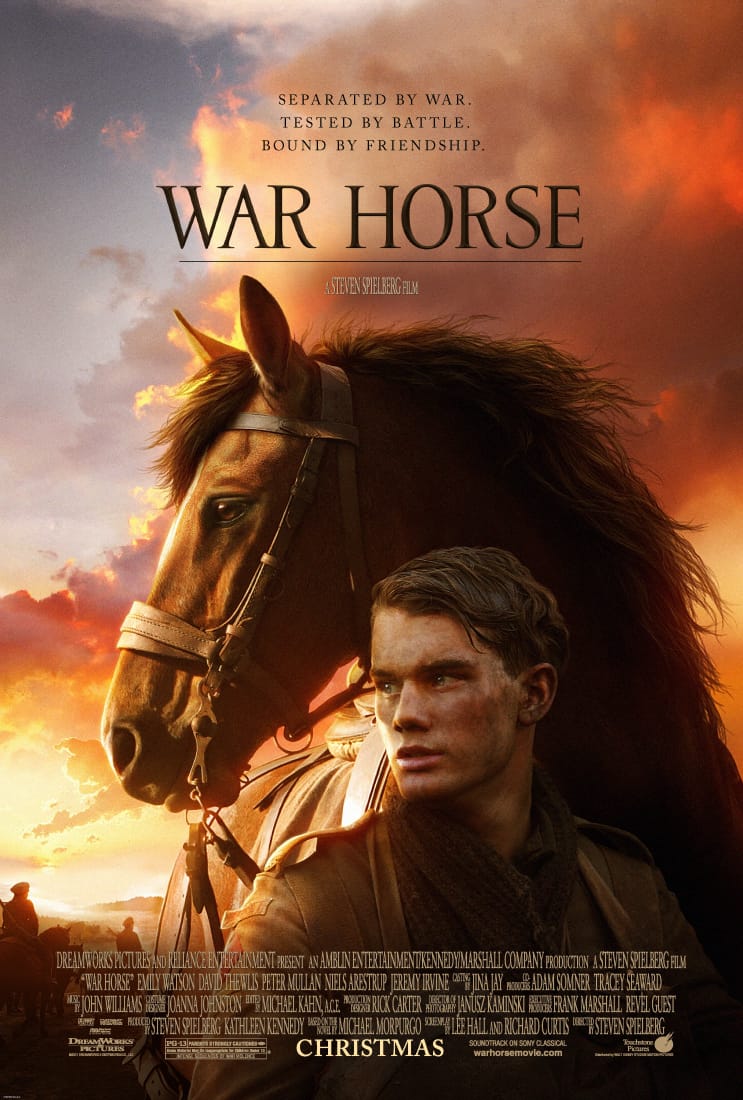
The powerful story of “War Horse,” both the novel and the film, has deeply moved audiences worldwide. Many viewers, captivated by the tale of Joey, a horse sold into service during World War I, find themselves wondering: Was War Horse A True Story? While the specific journey of Joey is fictional, the narrative is firmly rooted in the very real and often tragic experiences of horses during the First World War. The film and book serve as a poignant testament to the millions of equine lives impacted by the conflict.
The Heart of the Story: A Fictional Horse, A Real War
At its core, “War Horse” tells the story of Joey, a charismatic and spirited horse purchased by young Albert Narracott in rural England. Their bond is undeniable, but the outbreak of World War I shatters their peaceful existence. Joey is sold to the cavalry and thrust into the brutal realities of trench warfare, witnessing firsthand the horrors and devastation of battle. His journey takes him through various hands and across the battlefields of France, encountering soldiers, civilians, and even enemy forces.
It is crucial to understand that Joey is not a real horse with a documented history. Michael Morpurgo, the author of the original novel, created Joey as a fictional protagonist to carry the emotional weight of the narrative. However, Morpurgo’s inspiration stemmed from genuine accounts and the historical context of horses’ roles in warfare. He has often spoken about how the idea for the book came to him while visiting a farmhouse in Devon, where he heard about a local man whose horse had been taken for service in the war. This sparked his imagination, leading him to envision the war from the horse’s perspective.
Horses in World War I: A Grim Reality
The First World War marked a turning point in military history, not just for humans but also for animals. Horses were indispensable to the war effort on all sides. Before the advent of widespread mechanization, horses were vital for:
- Cavalry charges: Though their effectiveness waned with the advent of machine guns and artillery, cavalry units were still deployed, especially in the early stages of the war.
- Transportation: Horses were the primary means of moving supplies, artillery, ammunition, and wounded soldiers across difficult terrain, particularly in the muddy, shell-torn landscapes of the Western Front.
- Labor: They were used for plowing fields to ensure food supply and for general hauling and construction tasks behind the lines.
The sheer scale of their involvement was staggering. It is estimated that over eight million horses and mules died during World War I. They faced the same dangers as human soldiers: artillery bombardments, machine-gun fire, gas attacks, starvation, disease, and exhaustion. The conditions were horrific, with mud, disease, and constant shelling taking a heavy toll.
From the Battlefield to the Book: Morpurgo’s Vision
Michael Morpurgo’s genius in “War Horse” lies in his ability to humanize the equine experience. By telling the story from Joey’s perspective, he forces readers and viewers to confront the immense suffering and quiet heroism of these animals. The narrative vividly portrays the chaos, fear, and confusion that horses must have experienced on the battlefield.
Morpurgo’s research for the novel involved delving into historical accounts, diaries, and photographs from the era. He sought to capture the essence of what it would have been like for a horse to be separated from its owner, trained for war, and subjected to the brutalities of the front lines. The diverse characters Joey encounters—from the kind-hearted Captain Nicholls to the German soldier Topthorn—further highlight the shared experience of suffering and the fleeting moments of compassion that could exist even amidst conflict.
The Lasting Legacy: A Tribute to Equine Sacrifice
While “War Horse” is a fictional narrative, its impact is undeniably real. It has brought renewed attention to the often-overlooked contribution and sacrifice of horses in wartime. The story serves as a powerful reminder of:
- The bond between humans and animals: The deep connection between Albert and Joey is a central theme, showcasing the loyalty and love that can exist between species.
- The futility of war: By showing the devastating effects of war on an innocent creature, the story underscores the senselessness of conflict and its widespread suffering.
- The importance of remembrance: “War Horse” encourages audiences to remember not only the human cost of war but also the animal casualties, whose stories are often lost to history.
The film adaptation by Steven Spielberg further amplified this message, bringing the emotional depth of Morpurgo’s novel to a global audience. The stunning cinematography and powerful performances captured the harsh realities of war and the enduring spirit of Joey.
Beyond the Battlefield: The Enduring Story of Horses in Human History
The story of horses in war is not unique to “War Horse.” Throughout history, these magnificent creatures have been partners in human endeavors, from exploration and agriculture to conquest and defense. Understanding their role provides a richer perspective on historical events and our relationship with the animal kingdom. For those fascinated by the historical and narrative threads woven through tales of horses, exploring other accounts can offer further insights. For instance, understanding the historical context of films like these can sometimes lead to questions about other narratives, such as is war horse based on a true story, or similar inquiries into equine roles in other stories, like saul indian horse true story. Even fictional portrayals, like a horse from toy story 4, can sometimes spark curiosity about the broader world of horses in storytelling.
The story of “War Horse” is a testament to the power of narrative to illuminate historical truths, even when employing fictional characters. It is a story that resonates because it taps into our empathy and our understanding of the profound impact of war on all living beings. While Joey may be a figment of imagination, his journey is a powerful echo of the millions of real horses whose lives were forever changed by the Great War. It’s a story that continues to remind us of the silent sacrifices made and the enduring bonds that can form in the most unlikely circumstances.
