
The epic tale of the Trojan Horse has captivated imaginations for centuries, a symbol of cunning strategy and the dramatic fall of a mighty city. But as with many ancient legends, a crucial question lingers: Was The Trojan Horse Story Real? While the sheer detail and dramatic flair suggest a kernel of truth, the historical and archaeological evidence presents a more nuanced picture, blending historical events with mythological embellishments.
The Trojan War: A Historical Echo?
The Trojan War itself, the backdrop to the horse story, is widely believed by many historians to have a basis in historical events. Archaeological excavations at the site of Troy, modern-day Hisarlik in Turkey, have revealed multiple layers of destruction and rebuilding, suggesting a long history of conflict. The Late Bronze Age, the period in which the legendary war is thought to have occurred (around the 12th or 13th century BCE), was a time of widespread trade and conflict in the Aegean and Anatolian regions. It’s plausible that a conflict, perhaps over trade routes or resources, did take place between the Mycenaean Greeks and the inhabitants of Troy.
However, the Homeric epics, the Iliad and the Odyssey, are our primary sources for the story, and these were composed centuries after the events they describe. They are works of literature and poetry, not historical records. The gods intervene, heroes perform superhuman feats, and the narrative is shaped by artistic and thematic considerations, not strict factual adherence.
The Ingenious Horse: Myth or Military Tactic?
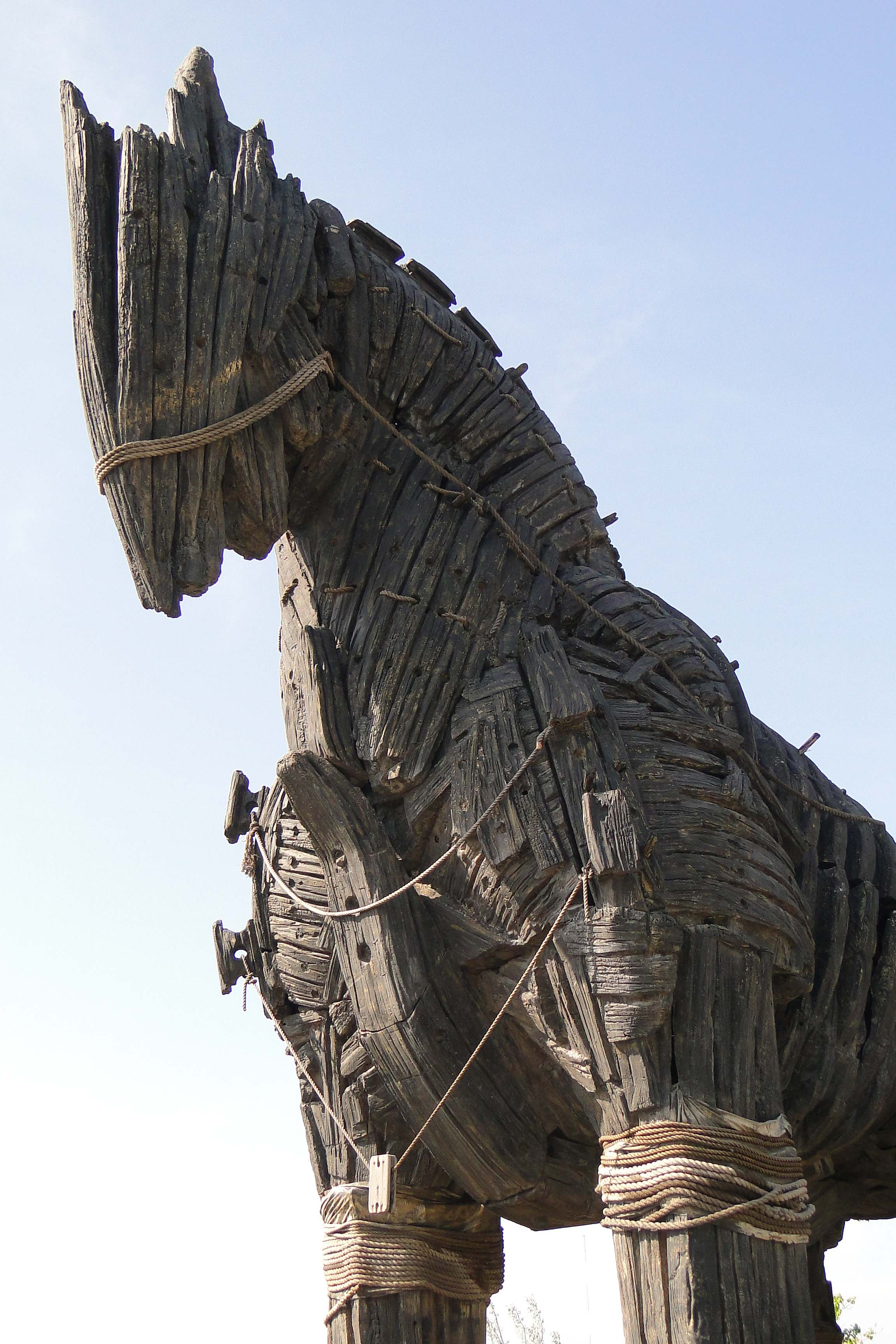
The centerpiece of the legend is, of course, the Trojan Horse. The story, most famously told in Virgil’s Aeneid (though alluded to in the Odyssey), describes the Greeks constructing a giant wooden horse, hiding soldiers inside, and leaving it as a supposed offering to the gods. The Trojans, believing the Greeks had sailed away, brought the horse into their city, only for the hidden soldiers to emerge at night, opening the gates for the returning Greek army to conquer Troy.
This is where the line between history and myth becomes most blurred.
Why a Horse? Symbolism and Strategy
The horse held significant symbolic meaning for ancient peoples, often associated with power, warfare, and royalty. In Hittite culture, a civilization contemporary with Troy, horses were indeed used in warfare and were considered sacred. It’s possible that a horse, or a horse-like symbol, played a role in the actual events or the subsequent retelling of them.
From a military perspective, the Trojan Horse as described is a rather improbable siege engine. The sheer size and the complexity of moving such a structure into a fortified city, not to mention the risk of discovery, are points of contention for military historians. It’s far more likely that the “horse” represents a metaphorical strategy rather than a literal wooden effigy.
Alternative Explanations
Several alternative theories attempt to reconcile the legend with potential historical reality:
- Siege Engines: The “horse” might have been a euphemism for a siege engine, perhaps a battering ram or a climbing device covered in animal hides to protect against fire. Such machines were common in ancient warfare.
- Earthquake: Some scholars propose that a natural disaster, like an earthquake (which were common in the region), may have caused significant damage to Troy’s walls, allowing the Greeks to breach them. The “horse” could be a symbolic representation of this destructive force. The Greek word for “horse” (hippos) is similar to “leopards” (leopas), and some scholars have suggested the horse was actually a battering ram with a leopard’s head, a common symbol of power.
- Naval Deception: The horse could represent a cunning naval maneuver. Perhaps the Greeks feigned retreat, leaving behind a small contingent or a decoy, while the main fleet sailed just out of sight, only to return and attack when the Trojans let their guard down. The wooden horse could symbolize the ships themselves, or a hidden naval contingent.
- A Metaphor for Treachery: It’s also possible that the horse is purely symbolic, representing the deceit and treachery employed by the Greeks to gain entry into the city. The story serves as a powerful allegory for how even the strongest defenses can be overcome by cleverness and betrayal.
Archaeological Clues and Interpretations
While no definitive “Trojan Horse” artifact has ever been unearthed, archaeological findings at Troy continue to inform our understanding. Excavations have revealed evidence of significant damage and destruction at various levels, consistent with the idea of a prolonged conflict. Troy VI, for example, shows signs of destruction by earthquake, while Troy VIIa, dated to around 1250 BCE, exhibits evidence of fire and destruction, making it a strong candidate for the Troy of legend.
The interpretation of these findings is, however, subject to ongoing debate. Archaeologists and historians work to piece together fragments of evidence, trying to distinguish between the historical events and the layers of myth that have accumulated over millennia.
The Enduring Legacy: More Than Just a Story
Regardless of whether a literal wooden horse was involved, the story of the Trojan Horse has had an undeniable impact on Western culture and language. The phrase “Trojan Horse” has become synonymous with any deceptive tactic used to infiltrate and betray an unsuspecting target. Its enduring power lies in its exploration of themes like deception, courage, the consequences of war, and the blurred lines between heroism and trickery.
Ultimately, the question of whether the Trojan Horse story is “real” may be less important than understanding its significance. It represents a potent blend of historical possibility, cultural symbolism, and literary artistry. The legend endures not just as an ancient tale, but as a timeless exploration of human nature and the strategies we employ in conflict, making the “Trojan Horse story true” in its cultural impact and its representation of the human condition. The story of Troy, and the cunning horse that led to its downfall, continues to resonate, reminding us that victory is not always won on the battlefield, but sometimes through ingenuity and strategic deception.
