
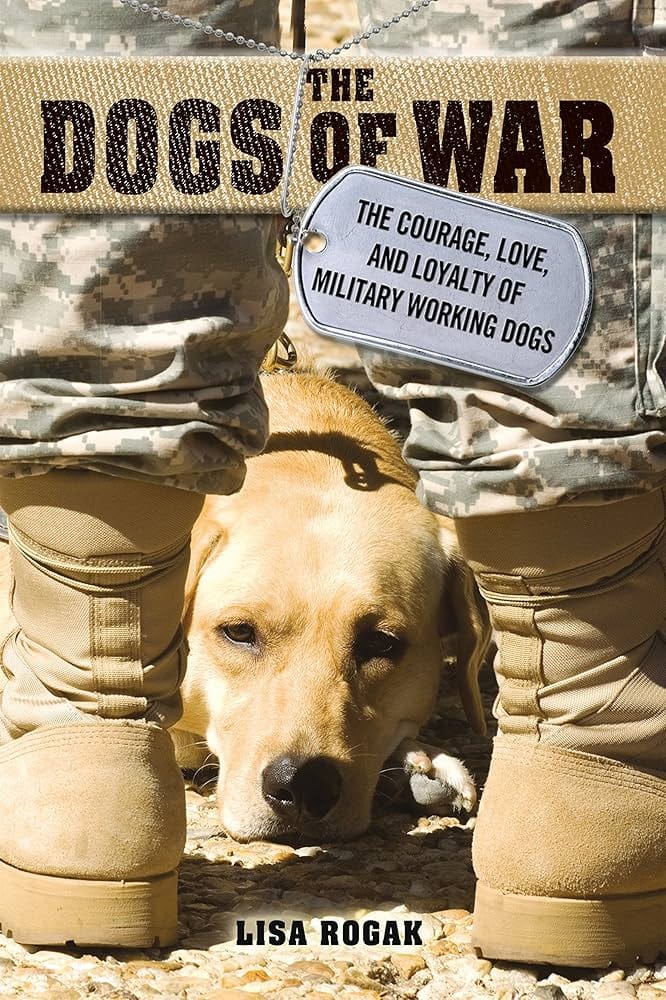
Dogs have long been celebrated as “man’s best friend,” and their loyalty, bravery, and unwavering companionship are etched into countless stories throughout history. While many tales are fictional, the real-life accounts of warrior dogs showcase an astonishing level of courage, often in the face of extreme danger. These incredible animals have served alongside humans in various capacities, from battlefield companions to protectors and even as essential members of rescue missions. Their stories are not just about bravery; they are profound testaments to the deep bond between humans and canines.
The concept of a “warrior dog” might evoke images of fierce breeds trained for combat, but the reality is far more nuanced. Throughout history, dogs have been utilized in warfare for their keen senses, physical prowess, and their innate protective instincts. They have scouted enemy lines, carried vital messages, guarded soldiers, and even engaged in combat when necessary. The dedication these dogs showed, often without understanding the full scope of the conflict, is truly remarkable. Their roles have evolved over time, but their spirit as protectors and loyal partners remains a constant.
Origins of Warrior Dogs in Warfare
The use of dogs in warfare dates back thousands of years. Ancient civilizations, including the Egyptians, Greeks, and Romans, recognized the value of dogs in military operations. Mastiff-type dogs, known for their size and strength, were often employed as war dogs, fitted with spiked collars and armor to protect them and to inflict damage on the enemy. They served as shock troops, deterrents, and guards. The sheer presence of these formidable canines could instill fear in opposing forces, and their ferocity in battle was well-documented. This historical precedent laid the groundwork for the many ways dogs would continue to serve in military contexts across different cultures and eras.
Dogs in World War I: Unsung Heroes
World War I saw an unprecedented use of dogs in military service. With the advent of trench warfare and the breakdown of traditional communication methods, dogs became indispensable for carrying messages between front lines, often braving heavy shelling and treacherous terrain. These “messenger dogs” were trained to navigate dangerous environments to deliver vital intelligence. Beyond communication, dogs were also used for other crucial roles, such as detecting gas, finding wounded soldiers in no man’s land, and serving as guard dogs for supply depots and strategic locations. Their resilience and dedication in the brutal conditions of the Great War earned them the respect and affection of the soldiers they served alongside.
One of the most famous war dogs from WWI was a Yorkshire Terrier named Sergeant Stubby. Stubby served with the 102nd Infantry Regiment of the United States Army. He was smuggled onto a ship to France and became a mascot for the 102nd. Stubby’s intelligence and bravery were extraordinary. He reportedly learned to recognize the sound of incoming artillery shells and would alert his human companions. More impressively, he could detect the scent of poison gas before humans could, warning the soldiers of impending danger. Stubby also played a role in finding wounded soldiers and even captured a German spy by grabbing his uniform and holding him until American soldiers arrived. His service was recognized with numerous medals, and he is considered the most decorated dog of World War I.
World War II and Beyond: Evolving Roles
During World War II, dogs continued their service in various capacities, adapting to the new challenges of mechanized warfare and global conflict. They served as sentry dogs, guarding air bases and installations, and as scout dogs, particularly in the Pacific theater, where their senses could detect enemy ambushes in dense jungle terrain. The U.S. Army established the “War Dog Program,” formalizing the training and deployment of dogs for military purposes. These canine soldiers were an integral part of the war effort, contributing to the safety and success of countless missions. Their ability to perform tasks that were often too dangerous or difficult for humans highlighted their invaluable contribution.
The legacy of warrior dogs extends beyond active combat zones. In the post-war era and into contemporary conflicts, dogs have taken on roles in bomb detection, counter-terrorism, and search and rescue operations. Their incredible olfactory senses make them invaluable in locating explosives, drugs, and missing persons. The K-9 units in modern military and law enforcement agencies are a testament to the enduring effectiveness and versatility of dogs in high-stakes environments. Their training is rigorous, and their commitment to their handlers is absolute, making them some of the most trusted and capable operatives.
Tales of Extraordinary Courage
Beyond organized military service, numerous civilian dogs have displayed remarkable courage, acting as protectors and heroes in their own right. Stories abound of dogs intervening to save their owners or strangers from danger, whether it’s a wild animal attack, a house fire, or an act of violence. These instances often stem from a dog’s innate protective instincts and their deep emotional bond with their human families. Such acts of bravery, performed without any formal training, underscore the inherent heroism that can be found within the canine spirit.
Consider the story of a German Shepherd named Lex, who served with the British Army. Lex was a highly skilled bomb detection dog who, tragically, was killed in action in Afghanistan when he stepped on an improvised explosive device (IED) while protecting his handler. Lex’s bravery in alerting his handler to the presence of the IED, though ultimately costing him his life, saved his handler and other soldiers. His sacrifice, like that of many other military working dogs, is a profound reminder of the risks these animals undertake alongside their human counterparts. The bond between a handler and their dog is exceptionally strong, built on trust, mutual reliance, and shared experiences in dangerous situations.
The Human-Animal Bond in Crisis
The stories of warrior dogs are intrinsically linked to the human-animal bond. These dogs are not just tools or assets; they are partners, companions, and often, beloved members of the family. The training, care, and deep mutual respect between a dog and its handler foster an unbreakable connection. This bond is particularly evident in the emotional aftermath of combat or dangerous missions, where the presence of a dog can provide immense comfort and support to human soldiers. The stories highlight that these dogs are individuals with personalities, courage, and a capacity for deep loyalty that rivals or even surpasses human capabilities in certain situations.
In more recent times, the role of dogs in disaster response has also showcased their warrior spirit. Search and rescue dogs, braving unstable structures and hazardous conditions, have saved countless lives in the wake of earthquakes, hurricanes, and other calamities. Their relentless pursuit of scent and their unwavering determination to find survivors in the most challenging environments are heroic acts. These dogs, often working tirelessly for days on end, embody the spirit of a warrior through their perseverance and their commitment to helping others.
Conclusion: Enduring Legacy of Canine Courage
The narrative of warrior dogs is a rich tapestry woven with threads of loyalty, courage, and sacrifice. From ancient battlefields to modern-day conflict zones and disaster sites, dogs have consistently proven themselves to be extraordinary allies. Their stories inspire us, reminding us of the powerful capacity for bravery that exists in the animal kingdom and the profound connection we share with our canine companions. The warrior dog is more than just a symbol; it is a living embodiment of dedication and courage, leaving an indelible mark on history and in our hearts. Their real stories continue to be told, celebrating their valor and their enduring place by our side.
