
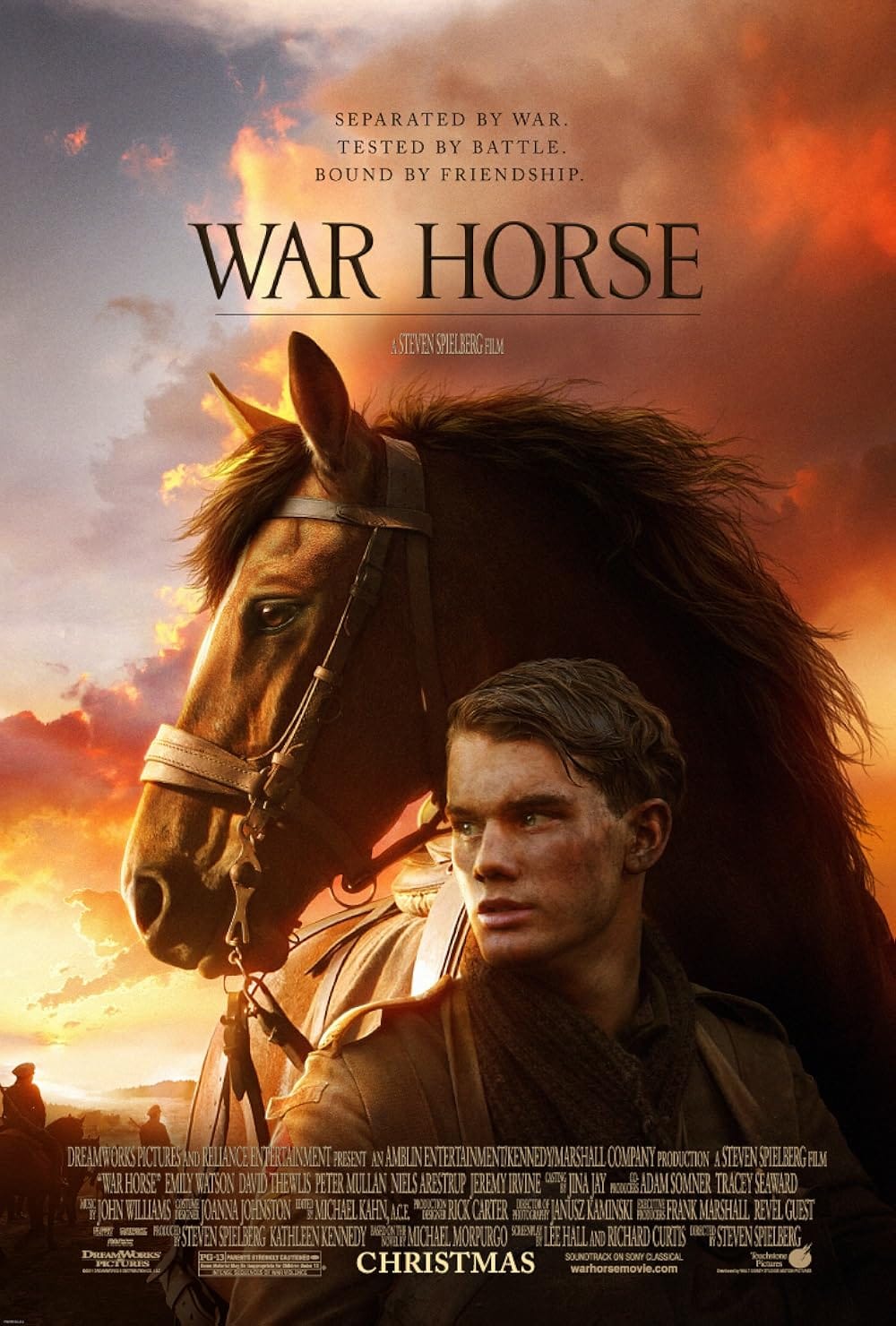
The sweeping cinematic journey of “War Horse,” brought to life by Steven Spielberg, is a masterclass in storytelling that pulls at the heartstrings. It’s a tale of incredible loyalty, the horrors of war, and the unbreakable bond between a young man, Albert, and his horse, Joey. After you watch a horse story as powerful as this one, a single question often emerges: is any of it true? The emotional depth of the War Horse The Real Story Film explores makes viewers desperately want to believe in a real Joey. While the specific narrative of Joey and Albert is a work of fiction, it is deeply rooted in the harrowing and heroic truths of the millions of horses that served and died during World War I.
This story is a powerful blend of fact and fiction, designed to represent a collective experience rather than a single biography. The truth isn’t about one horse but about the eight million horses, donkeys, and mules that lost their lives in the Great War. Author Michael Morpurgo was inspired not by a single documented account, but by conversations with WWI veterans in his village, who shared their poignant memories of the animals they served alongside. He pieced together the soul of the story from their fragmented, heartfelt recollections of the terror and companionship that defined their time on the front lines.
The Fictional Heart of a True Tragedy
So, to answer the burning question, the specific plot of “War Horse” is not a true story. There was no single horse named Joey who had an epic, documented journey across multiple armies of World War I before miraculously reuniting with his original owner. This narrative was crafted by Michael Morpurgo to serve as a lens through which we could witness the entire scope of the war from a unique and innocent perspective.
The brilliance of the story lies in its ability to be an “every-horse” tale. Joey’s journey from a peaceful farm in Devon to the terrifying front lines of France and Germany allows the reader, and viewer, to experience the conflict without national bias. He serves in the British cavalry, is captured by the Germans, and is cared for by a French girl. Through his eyes, we see not enemies, but people caught in the devastating machine of war. This fictional framework is what makes the historical reality so impactful. While you may wonder, is war horse one a true story, the emotional truth it conveys is absolutely real.
The Real-Life Inspirations for Joey
While Joey himself is fictional, his character was sparked by several real accounts. Morpurgo was particularly moved by the story of a veteran who spoke of his deep connection with his horse, confiding in the animal and sharing his deepest fears. This profound relationship, a bond that transcends species in the face of shared trauma, became the core of Albert and Joey’s connection. These weren’t just animals; they were partners, friends, and confidants. The profound connection between human and animal can sometimes feel like a magical change, almost akin to the fabled man to horse transformation stories of myth, highlighting the depth of their bond.
Another key inspiration came from the work of The Blue Cross, a charity that provided veterinary care for animals during the war. They established hospitals in France and treated over 50,000 sick and injured horses, a testament to the fact that many people did care deeply about the welfare of these animals. Their records and stories provided Morpurgo with a rich understanding of the equine experience on the Western Front.
The Unseen Equine Army of WWI
To truly grasp the reality behind “War Horse,” one must understand the sheer scale of equine involvement in World War I. At the outset of the war in 1914, the British Army possessed a mere 25,000 horses. This number was woefully inadequate. The government swiftly requisitioned another 165,000 from civilians, often taking beloved family pets and sturdy farm horses like Joey. Over the course of the war, Britain would send over a million horses overseas.
These animals were the backbone of the military effort. They were used for:
- Cavalry Charges: In the early days of the war, mounted cavalry charges were still a part of military strategy, though they quickly proved suicidal against modern machine guns.
- Transport and Logistics: This was their most critical role. Horses and mules hauled artillery, ammunition, rations, and medical supplies to the front lines over terrain that was impassable for motorized vehicles.
- Ambulance Work: They pulled ambulance carts, carrying wounded soldiers from the battlefield.
- Communication: Officers used them for transport and to carry messages between units.
The conditions they faced were unimaginable. They were exposed to shellfire, poison gas, and disease. They suffered from exhaustion, starvation, and exposure to the elements in the mud-logged trenches. The reality was a far cry from a heroic adventure; for many of these animals, it was a living nightmare, filled with moments that would fit right into the most terrifying horse scary stories.
The Story of Warrior: A Real War Horse
If you are looking for a true story of a single horse’s incredible survival, look no further than “Warrior.” Often called “the horse the Germans couldn’t kill,” Warrior was a thoroughbred stallion owned by General Jack Seely. He went to the Western Front in 1914 and survived for the entire duration of the war, overcoming machine-gun fire, shelling, and sinking in mud.
Warrior’s story is one of incredible resilience. He led cavalry charges, including one at the Battle of Moreuil Wood in 1918, and became a symbol of indomitable spirit. Unlike most of the horses that were sold off in Europe after the war, General Seely brought Warrior home to the Isle of Wight, where he lived until the age of 33. His story is so remarkable that in 2014, he was posthumously awarded the PDSA Dickin Medal, considered the animal equivalent of the Victoria Cross, in honor of all the animals that served in the Great War. Warrior provides a real-life example of the incredible bravery and luck that Morpurgo fictionalized in Joey.
As Dr. Sarah Miller, a historian specializing in the role of animals in conflict, states: “While ‘War Horse’ is a fictional tale, it serves a greater purpose. It humanizes a conflict often defined by overwhelming statistics. By focusing on Joey, we are forced to confront the suffering and sacrifice of the millions of animals who had no choice and whose service was largely forgotten.”
The Final Whistle: A Legacy of Sacrifice
At the end of the war, the fate of the surviving horses was often tragic. Of the one million horses that left Britain, only about 62,000 returned home. Many were sold to local farmers or, heartbreakingly, to butchers in France and Belgium. They were deemed too expensive to transport back to Britain, a final, brutal transaction after years of loyal service.
The war horse the real story film may be a work of fiction, but its emotional core is profoundly true. It’s a story that honors the memory of the millions of equine soldiers who served with unwavering courage. It reminds us that alongside the human soldiers who fought and died, there was another army—silent, loyal, and largely unremembered—whose sacrifice was just as real. The tale of Joey is a powerful monument to them all, ensuring their story of bravery and suffering is never forgotten.
Frequently Asked Questions (FAQ)
1. Was the horse in the War Horse movie real?
The specific horse character, Joey, and his story are fictional. However, the role was played by several highly trained horses, and the narrative itself is based on the very real experiences of millions of horses in World War I.
2. How many horses died in World War I?
An estimated eight million horses, mules, and donkeys died on all sides during World War I. This includes deaths from enemy fire, disease, exhaustion, and starvation.
3. Did Albert’s horse really come back?
In the fictional story, Joey miraculously reunites with Albert. In reality, such reunions were exceptionally rare. Most surviving horses were sold off in Europe after the war due to the high cost of transportation back home.
4. What was Michael Morpurgo’s inspiration for War Horse?
His primary inspiration came from talking to three World War I veterans in his village of Iddesleigh. He was also moved by an old painting of a horse from the era and learned about the work of the charity The Blue Cross, which cared for horses during the war.
5. Is there a real-life horse hero from WWI?
Yes, a horse named Warrior, known as “the horse the Germans couldn’t kill,” is a famous real-life hero. He survived the entire war on the Western Front and returned home, later receiving a posthumous honorary Dickin Medal for his service.
