
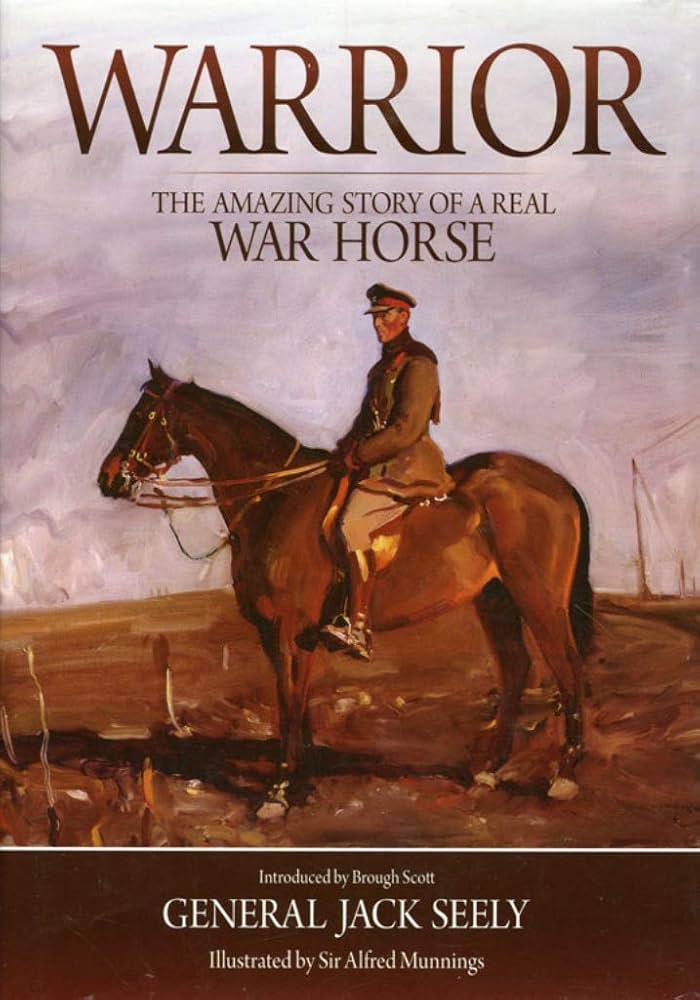
The tale of Joey, the courageous Devon farm horse thrust into the crucible of World War I, has captured hearts worldwide through Michael Morpurgo’s book, the acclaimed stage play, and Steven Spielberg’s epic film. But behind this moving work of fiction lies the harrowing, factual account of millions of animals who served and sacrificed. The search for a War Horse The Real Story Documentary is a journey into one of the most poignant chapters of military history, revealing the immense debt we owe to these silent, four-legged soldiers. This is the story of the real war horses, a narrative of loyalty, immense suffering, and an unbreakable bond between man and beast amidst the chaos of the Great War.
When war was declared in 1914, the British Army possessed a mere 25,000 horses. The war machine’s insatiable demand for transport and cavalry required a massive, urgent mobilization. The government requisitioned half a million horses and mules from British homes, farms, and businesses within the first few weeks. Farmers watched as their prized plough horses were led away; families bid farewell to beloved ponies. Over the course of the war, an estimated eight million horses and countless mules and donkeys would be drawn into the conflict across all participating armies, fundamentally changing the landscape of both warfare and their own species forever. Their story is one of incredible bravery, and its echoes can be found in other tales of animal courage, such as the dark horse the incredible true story of dream alliance.
The Unsung Heroes: Roles of Horses in WWI
While the romantic image of the cavalry charge is what often comes to mind, it was a brutal and short-lived reality on the Western Front. The advent of machine guns and trench warfare quickly rendered traditional cavalry tactics obsolete and suicidal. However, this did not make horses redundant; instead, their roles shifted and became even more critical to the war effort.
Beasts of Burden: The Lifeline of the Army
The primary and most vital role for horses during the Great War was transport. In an era before the complete mechanization of armies, horses and mules were the engines of logistics. They were responsible for:
- Pulling Artillery: Heavy guns, weighing several tons, had to be moved into position. Teams of six to twelve horses would strain to haul these massive weapons through unimaginable mud and cratered landscapes.
- Transporting Supplies: From ammunition and food to water and medical supplies, horses and mules were the essential link between supply depots and the front lines. They moved tirelessly day and night, often under heavy fire.
- Ambulance Work: Specially designed horse-drawn ambulances were used to ferry wounded soldiers from the battlefield to aid stations, a treacherous journey that saved countless lives.
From Cavalry to Logistical Support
The cavalry divisions that existed at the start of the war were soon dismounted to fight as infantry. However, their horses remained indispensable. They were used for reconnaissance, carrying messages, and transporting officers. The sight of a horse was a constant reminder of a world beyond the mud and wire, a symbol of life and endurance in a landscape of death. According to military historian Dr. Alistair Drake, “Without the horse, the armies of 1914-1918 would have been immobile. They were the backbone of the entire logistical effort. To think of the Western Front without the horse is to misunderstand the nature of the conflict entirely.”
The conditions these animals faced were horrific. They were exposed to the same dangers as the soldiers: artillery shells, machine-gun fire, and gas attacks. Gas masks were developed for horses, but they were often cumbersome and ineffective. The constant noise of bombardment caused immense stress, and the fields of France and Flanders, churned into a quagmire of mud, were a constant threat, leading to exhaustion, injury, and death. The narrative of animal and human partnership in extreme circumstances is a powerful one, not unlike the dynamics explored in the story of only fools and horses.
What Was the Real Story of the War Horse?
Unlike the fictional narrative of Joey, there isn’t one single “real story” but millions of them. Any war horse the real story documentary aims to capture the collective experience of these animals. The reality was far grimmer than fiction. Of the one million horses and mules that left Britain for the Western Front, only around 62,000 returned home. The rest perished from shelling, disease, or sheer exhaustion.
The Harsh Realities of War
Disease was as deadly as the enemy. Skin conditions like mange, respiratory infections, and “shell shock” were rampant. The constant exposure to wet and cold conditions took a massive toll. The Army Veterinary Corps (AVC) worked heroically to save as many animals as possible, establishing vast veterinary hospitals near the front. These facilities were miracles of organization, capable of treating thousands of horses for everything from shrapnel wounds to exhaustion.
“The care given to the horses was remarkable under the circumstances,” notes Dr. Sarah Miller, an expert in equine history. “Veterinarians and soldiers often went to extraordinary lengths to save their animals, not just because they were vital military assets, but because they had become comrades. They shared the same risks, the same mud, and the same fear.”
The Unbreakable Bond
The most enduring truth behind the War Horse story is the profound bond that formed between soldiers and their horses. In a world of mechanized slaughter, the horse was a living, breathing companion. Grooms and riders would often risk their own lives to protect their animals, sharing their meager rations and offering a comforting touch in the midst of chaos. Diaries and letters from the front are filled with emotional tributes to fallen equine comrades, mourning them with the same grief reserved for human friends. This deep connection is a recurring theme in many historical narratives, including the human-animal bond detailed in pbs nature equus story of the horse.
Documentaries That Tell the True Story
Several documentaries and historical programs have sought to illuminate the real history behind the fiction. These films move beyond the single narrative of Joey to paint a broader picture of the equine contribution to World War I. They use archival footage, historical records, and expert interviews to reconstruct the world of the real war horses.
Exploring the Historical Record
A genuine war horse the real story documentary often focuses on:
- The Remount Service: The massive logistical operation of procuring and training millions of horses from across the world, including North America and Argentina.
- The Army Veterinary Corps: The incredible story of the vets and handlers who built some of the largest animal hospitals in history to care for the sick and wounded.
- Personal Accounts: Using diaries and letters from soldiers, these films give a voice to the men who worked, lived, and died alongside their horses.
- The Aftermath: The tragic fate of many surviving horses. After the armistice in 1918, a shortage of transport and strict quarantine laws meant hundreds of thousands of horses were sold to local farmers or, tragically, to butchers in France and Belgium. This was a heartbreaking end for animals that had served so faithfully.
This history is complex and often heartbreaking, a far cry from a simple adventure. Understanding the broader context is key, similar to how one might delve into the background of a series like Slow Horses to ask, is slow horses based on a true story. The truth of the war horse is not one story, but millions of stories of silent sacrifice.
The Legacy of the War Horse
The legacy of the war horse is one of profound significance. The Great War marked the last major conflict where horses were used on such a massive scale, acting as a bridge between the old world of cavalry charges and the new, mechanized warfare that would define the 20th century.
The story serves as a powerful reminder of the often-overlooked role of animals in human conflicts. Organizations like The Animals in War Memorial in London now exist to honor the contributions of all animals that served and died in war. It ensures that the millions of horses, mules, donkeys, and other creatures are not forgotten. The search for a war horse the real story documentary is more than just a quest for historical facts; it’s an act of remembrance for the quiet courage and unwavering service of these incredible animals. Their story is a testament to their resilience and the enduring power of the bond they shared with the soldiers who depended on them.
Frequently Asked Questions (FAQ)
Was Joey from War Horse a real horse?
No, Joey is a fictional character created by author Michael Morpurgo. However, Joey’s story was inspired by the real-life accounts of several World War I veterans and the collective true story of the millions of horses that served. Morpurgo was moved by conversations with veterans who spoke emotionally about their horses.
How many horses died in World War 1?
It is estimated that around eight million horses and mules died on all sides during World War I. For Britain alone, of the approximately one million horses sent to war, only about 62,000 returned. They died from enemy fire, disease, and exhaustion.
What happened to the war horses after the war ended?
The fate of the surviving horses was often tragic. Due to quarantine restrictions and the high cost of transportation, most horses that survived the war were not brought back to Britain. Many were sold to farmers in France and Belgium, while a large number were sold for their meat. A small number were bought by their former riders who couldn’t bear to leave them behind.
What did war horses eat?
The standard daily ration for a horse in the British army was about 20 pounds of oats, hay, and chaff. However, on the front lines, supply lines were often disrupted, and both soldiers and horses frequently suffered from a lack of food and fresh water, leading to malnutrition and weakness.
Did horses get medals in WWI?
While individual horses did not receive official medals in the same way soldiers did, the PDSA Dickin Medal was introduced in World War II to honor the work of animals in war. Today, there are memorials dedicated to all animals who served, recognizing their bravery and sacrifice, ensuring the legacy of the war horse the real story documentary is never forgotten.
