
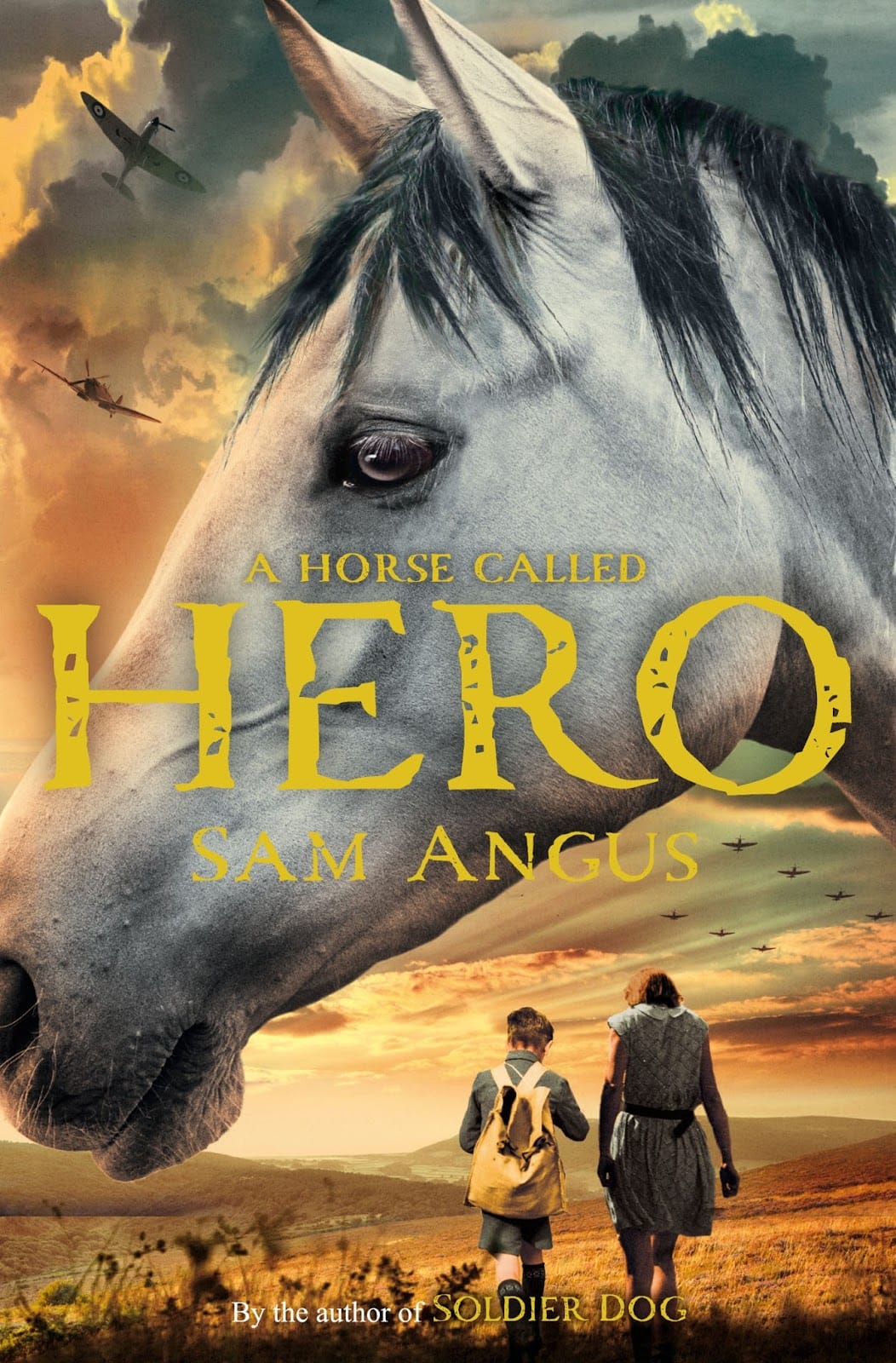
The story of “War Horse” is a powerful narrative that delves into the enduring bond between a boy and his horse amidst the brutal realities of World War I. It’s a tale that has captivated audiences through Michael Morpurgo’s novel and Steven Spielberg’s acclaimed film adaptation, resonating with themes of courage, loss, and the unwavering spirit of an animal caught in human conflict. This comprehensive summary explores the journey of Joey, the farm horse whose life takes an extraordinary turn when he’s sold to the army.
The narrative begins on a humble farm in rural England, where a young boy named Albert Narracott forms an unbreakable connection with Joey, a magnificent bay hunter. Their idyllic life is shattered when Albert’s father, facing financial hardship, impulsively buys Joey at market. Albert, despite his young age, is a natural horseman and dedicates himself to training Joey, transforming him from a spirited foal into a powerful and obedient steed. Their bond deepens with each passing day, filled with shared adventures and mutual trust. This initial period establishes the profound emotional core of the story: the deep affection and understanding between human and animal. It’s this connection that will be tested to its limits in the crucible of war.
As World War I escalates, the British cavalry is in desperate need of horses. Albert’s father, seeing no other option, sells Joey to the army for a meager sum, despite Albert’s tearful pleas. Albert is heartbroken, forced to watch his beloved companion being led away to an uncertain fate. This separation marks a turning point, thrusting Joey into the brutal world of military service. He is trained for cavalry charges, a stark contrast to his peaceful farm existence. The initial scenes of Joey adapting to army life highlight his innate intelligence and resilience, but also the immense fear and confusion he experiences.
Joey’s journey through the war is a harrowing odyssey. He witnesses the horrors of trench warfare firsthand, experiences the devastating impact of machine guns and artillery, and endures immense suffering. He forms an unlikely friendship with another horse, Topthorn, a powerful black stallion. Together, they face the unimaginable challenges of the battlefield, their companionship a small solace in the midst of chaos. Their bravery and loyalty are tested repeatedly as they navigate No Man’s Land, enduring the constant threat of death and destruction. The narrative emphasizes Joey’s perspective, allowing readers and viewers to feel his fear, his determination, and his longing for home.
During a brutal cavalry charge, Joey and Topthorn are captured by the Germans. Topthorn tragically succumbs to his injuries and exhaustion, leaving Joey alone once more. Joey is then used by a German family to pull artillery. It is here that he forms another unexpected bond, this time with a young German boy named Rudi. Rudi treats Joey with kindness, offering a glimmer of humanity amidst the widespread brutality of the war. However, this period of relative peace is short-lived as the war’s demands reclaim Joey, forcing him back into the front lines.
A pivotal moment occurs when Joey finds himself trapped in barbed wire in No Man’s Land, wounded and alone. In a remarkable display of inter-species solidarity, soldiers from both the British and German sides momentarily lay down their arms to free the horse. This powerful scene underscores the universal suffering caused by war and the shared humanity that can emerge even in the darkest of times. It’s a testament to Joey’s spirit and the profound impact he has on those around him. This moment of truce, however brief, offers a poignant symbol of hope and shared vulnerability.
Albert, now a young soldier himself, has also enlisted in the British army, driven by the desperate hope of finding Joey. Through a series of coincidences and sheer determination, Albert eventually finds himself on the Western Front. In a breathtaking climax, Albert, having won Joey in a coin toss with a French officer, is reunited with his beloved horse. The reunion is deeply emotional, a powerful affirmation of their enduring connection and a beacon of hope in the aftermath of unimaginable loss. The sheer joy and relief of their reunion resonate with the core message of the story.
After the war, Albert and Joey return to their farm. Joey, having survived the unimaginable horrors of war, finally finds peace and security. The story concludes with a sense of quiet triumph, emphasizing the resilience of the animal spirit and the profound, lasting impact of the bond between Albert and Joey. The “War Horse” story is more than just an animal tale; it’s a poignant commentary on the futility of war and the enduring power of love and loyalty that can transcend even the most devastating circumstances. It’s a story that reminds us of the sentience and emotional depth of animals, and their capacity for connection and survival.
The narrative’s strength lies in its ability to convey the brutal realities of war through the innocent eyes of a horse, making the message of peace and humanity all the more impactful. Whether experienced through the pages of a book or on the silver screen, the tale of Joey and Albert remains a timeless testament to the extraordinary bond between humans and animals, and a powerful anti-war statement that continues to resonate with audiences worldwide. The journey of Joey, the ordinary farm horse thrust into extraordinary circumstances, serves as a powerful reminder of the cost of conflict and the enduring power of hope and companionship.
For those who wish to delve deeper into the literary origins of this beloved story, exploring the nuances of the original novel can offer further insight into the author’s vision and the intricate details of Joey’s incredible journey. Understanding the source material can enrich the appreciation for both the book and its cinematic adaptation. The narrative’s enduring appeal lies in its universal themes of love, loss, courage, and the unbreakable spirit of both humans and animals when faced with adversity. It is a story that stays with you long after the final page or the closing credits, a testament to the profound impact of loyalty and the enduring power of hope.
