
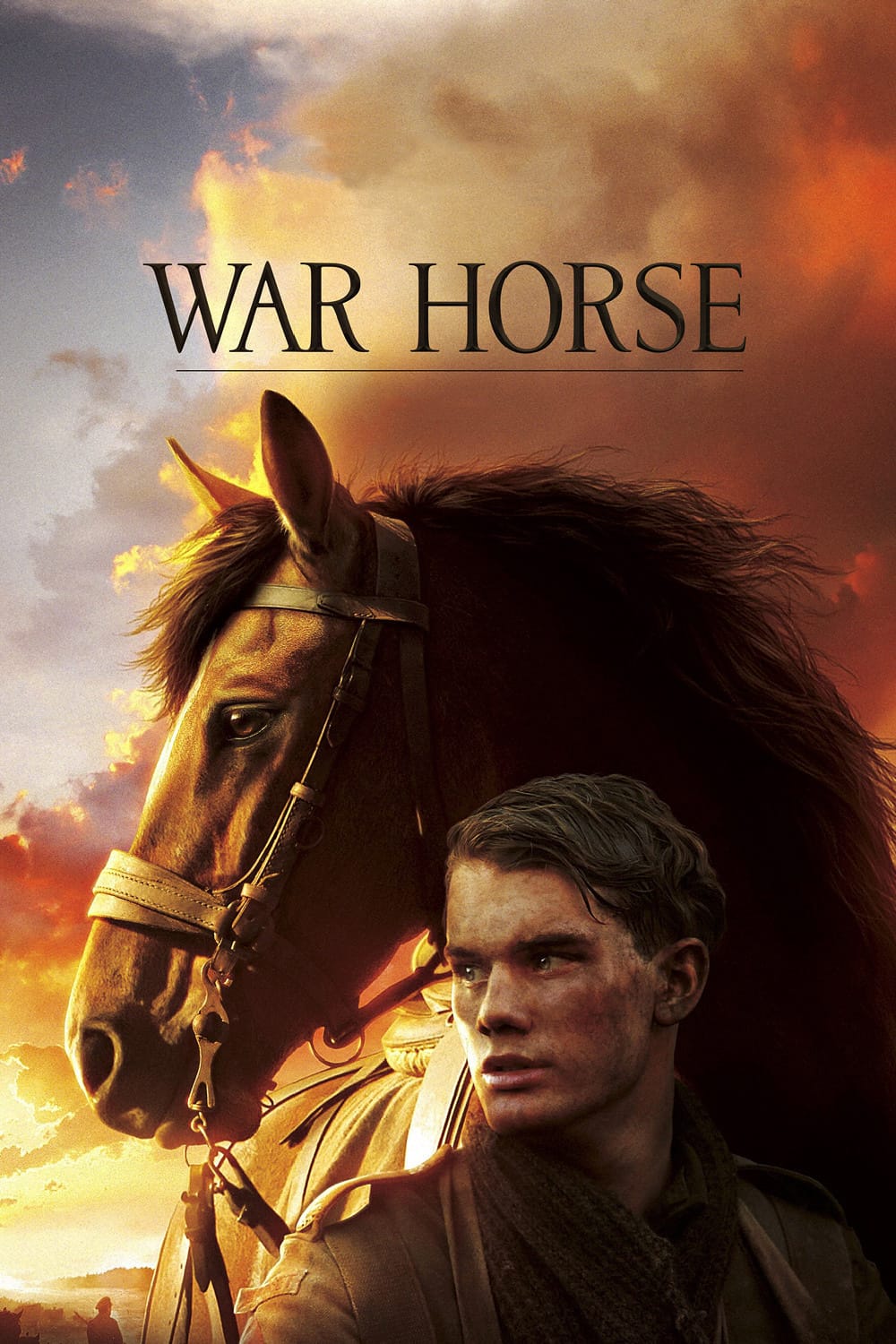
The tale of a horse named Joey, whose incredible journey through the tumultuous years of World War I has captured the hearts of millions, is often referred to as War Horse. But is there one single “true story” behind this iconic narrative? The story, born from Michael Morpurgo’s 1982 novel, has transcended the pages to become a celebrated play and a critically acclaimed film. While the emotional core and the essence of the horse’s experiences are deeply rooted in historical realities, it’s crucial to understand that Joey’s journey, as depicted, is a fictionalized account.
The Genesis of a Canine Icon: Michael Morpurgo’s Inspiration
Michael Morpurgo, a former Children’s Laureate of Britain, has a remarkable talent for weaving poignant stories that resonate with both young and adult audiences. His inspiration for War Horse stemmed from a personal encounter and a desire to shed light on the often-overlooked contributions and suffering of animals during wartime. He has spoken about how the idea first came to him during a visit to a village fête in Devon, where he met an elderly man who had served in World War I. This man told Morpurgo about his childhood farm horse, Joey, who was sold to the army at the outbreak of the war. This personal anecdote, coupled with Morpurgo’s extensive research into the role of horses in World War I, formed the bedrock of the novel.
Horses in World War I: A Historical Perspective
World War I was a brutal conflict that saw the widespread use of horses, not just for transport and cavalry charges, but also for artillery pulling, ambulance services, and reconnaissance. It is estimated that over a million horses and mules from Britain alone served during the war, with a staggering number perishing on the battlefield or from disease and exhaustion. These animals endured unimaginable hardship, facing the horrors of artillery fire, barbed wire, and the constant threat of death. Morpurgo’s fictional narrative draws heavily on this grim historical reality, giving voice to the silent suffering of these equine soldiers. The novel and its adaptations aim to humanize the war by focusing on the bond between a boy and his horse, and the devastating impact of the conflict on all living beings caught in its crossfire.
From Novel to Stage and Screen: A Fictionalized Truth
The adaptation of War Horse into a stage play by the National Theatre and later into a film directed by Steven Spielberg brought the story to an even wider audience. While both adaptations remained faithful to the spirit of Morpurgo’s novel, they are, by their nature, works of fiction. The character of Albert Narracott, the young boy who loves Joey and searches for him throughout the war, is also a fictional creation, albeit one that represents the countless soldiers who formed deep bonds with their horses. Spielberg, in particular, strived for historical authenticity in the film’s depiction of trench warfare and the conditions faced by both soldiers and horses. However, the specific sequence of events, the dramatic rescues, and the ultimate reunion are artistic choices designed to create a compelling narrative.
The “one true story” is therefore not a literal recounting of a single horse’s life, but rather a composite, an emotional truth that reflects the shared experiences of thousands of horses and the people who cared for them during the Great War. It’s a story that highlights the profound connection between humans and animals, and the devastating cost of war on all its participants.
Exploring Related Narratives of Equine Courage
The enduring appeal of War Horse has led many to explore other tales of horses and their significant roles in history and human lives. Understanding the context of War Horse can open doors to other narratives that showcase the bravery and loyalty of these animals. For instance, stories about the practicalities and emotional toll of using horses in conflict, much like the historical accounts of equine involvement in World War I, offer a deeper appreciation for their service.
The Enduring Legacy of “The Story of the Farmer and the Horse”
In a similar vein to the themes of connection and service found in War Horse, “The Story of the Farmer and the Horse” explores the symbiotic relationship between humans and these magnificent creatures. While less focused on the drama of war, this narrative often delves into the daily lives, the mutual dependence, and the quiet dignity of horses working alongside their human companions. It speaks to a more pastoral, yet equally profound, bond. This kind of story emphasizes the historical significance of horses in agriculture and daily life, long before their role in warfare became so prominent.
True Stories and Fictional Accounts: “Horse Novels Based on True Stories”
The literary world is rich with narratives that blur the lines between fact and fiction, especially when it comes to equestrian tales. “Horse novels based on true stories” often take a real-life event or a historical figure’s experience with a horse and build a fictionalized world around it. These novels aim to capture the emotional truth and the essence of the human-animal connection, even if specific plot points are dramatized for narrative effect. They are a testament to the power of horses to inspire stories that endure across generations.
Examining the Reality: “Is War Horse a Real Story?”
When audiences ask, “Is War Horse a real story?”, they are often seeking validation for the deep emotional impact the narrative has on them. The answer is nuanced: the specific events and characters are fictional, but the underlying sentiment—the bond between humans and horses, the horrors of war, and the resilience of life—is undeniably real. The novel and its adaptations serve as a powerful tribute to the horses that served in World War I, ensuring their sacrifices are not forgotten. The emotional truth of Albert’s search for Joey, and Joey’s own harrowing journey, resonates because it mirrors the experiences of countless actual animals and their handlers during that conflict.
The Cinematic Power of “RDR2 Best Horses Story Mode”
Beyond historical accounts, the concept of a horse’s story, even within a fictional gaming world, highlights the integral role these animals play in our understanding of adventure and companionship. Discussions around “RDR2 best horses story mode” often touch upon the unique personalities and the developing bonds players form with their virtual steeds. This demonstrates how, across different mediums, the narrative power of a horse—its strength, loyalty, and spirit—continues to captivate us, whether in historical dramas or immersive virtual experiences. The journey of a horse, real or imagined, often becomes a compelling narrative in its own right.
The Unifying Thread: The Human-Animal Bond
Ultimately, the “one true story” of War Horse lies in its profound exploration of the human-animal bond. It is a testament to the deep emotional connections that can form between humans and horses, connections that transcend species and circumstances. Whether through Michael Morpurgo’s poignant prose, the captivating visuals of Steven Spielberg’s film, or the powerful performances on stage, the narrative reminds us of the sacrifices made by these noble creatures and the enduring power of love and loyalty in the face of adversity. The fictional journey of Joey serves as a powerful allegory for the shared suffering and resilience of all beings during wartime, making it a story that continues to touch hearts and minds worldwide.
