
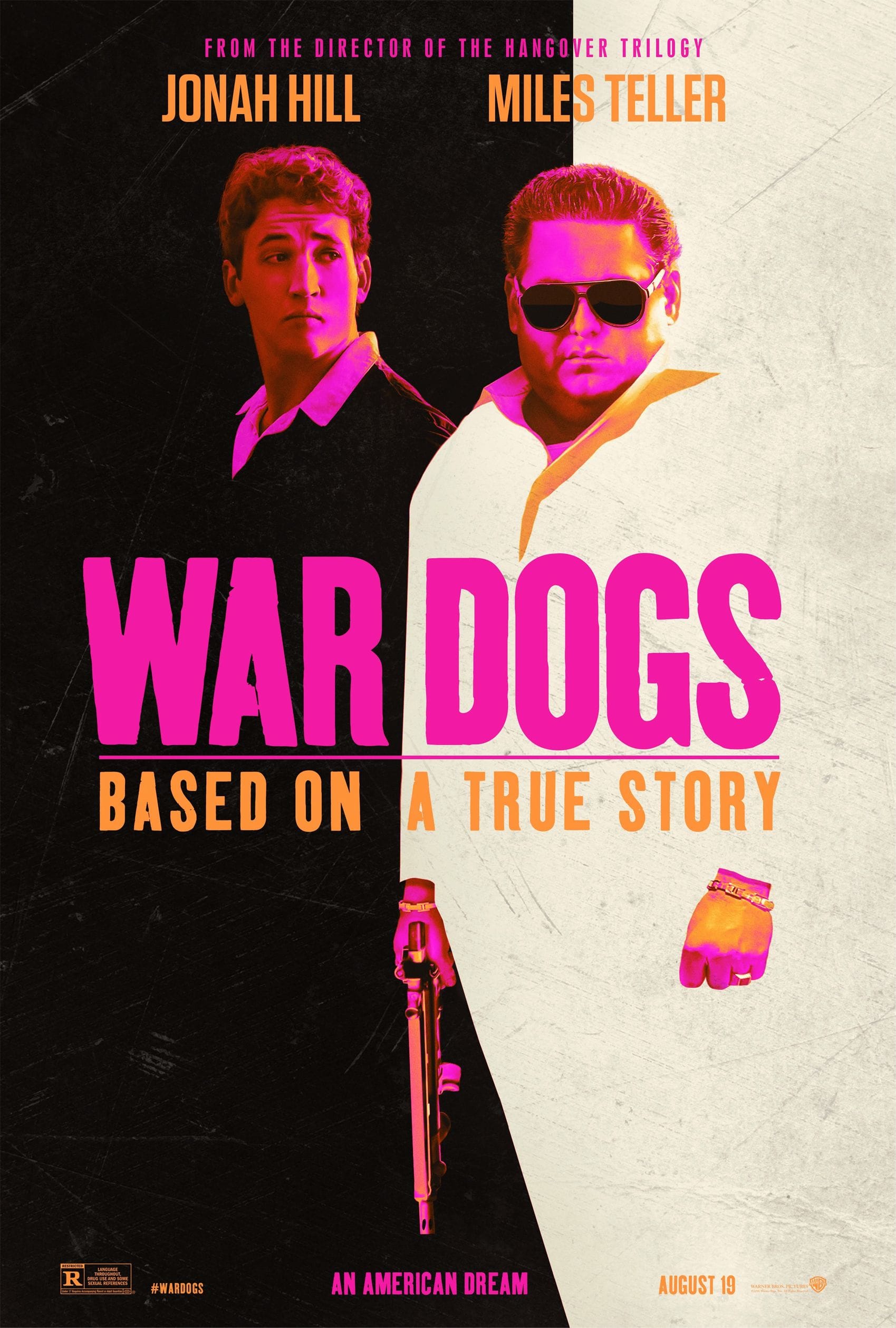
The story of “War Dogs” captivates audiences with its blend of military action, dark humor, and a true-life tale of arms dealing gone awry. While the movie, directed by Todd Phillips and starring Miles Teller and Jonah Hill, offers a thrilling narrative, it’s essential to delve into the real events and the individuals who inspired the film to fully appreciate the complex world it portrays. The journey of David Packouz and Efraim Diveroli, two young men from Miami who found themselves entangled in a massive government contract to arm America’s allies, is a fascinating, albeit cautionary, tale about ambition, opportunity, and the often murky realities of the international arms trade.
The film draws heavily from the experiences of Packouz and Diveroli, whose company, AEY Inc., secured a $300 million contract in 2007 to supply ammunition to the Afghan National Army. This monumental deal, intended to bolster U.S. efforts in Afghanistan, thrust these two relatively inexperienced individuals into a high-stakes game with international implications. Their story, as chronicled in Guy Lawson’s book “Arms and the Dudes,” serves as the primary source for the film’s narrative, offering a deeper look into the circumstances that allowed two Miami arms dealers to become major players on the global stage.
From Miami to Afghanistan: The Rise of AEY Inc.
David Packouz and Efraim Diveroli were childhood friends who grew up in Miami, Florida. Diveroli, in particular, was known for his entrepreneurial spirit and a certain ruthlessness that would later define his business dealings. He inherited a small arms dealing business from his uncle and, alongside Packouz, saw an opportunity in the lucrative U.S. government contracts being awarded in the post-9/11 era. Their company, AEY Inc., was founded with the ambitious goal of becoming a major supplier of military hardware.
The pivotal moment for AEY Inc. came when they were awarded a contract by the U.S. Department of Defense. This contract was part of a larger initiative to equip and support allied forces in volatile regions, specifically Afghanistan. The sheer scale of the contract—$300 million—was staggering for a company that was barely a few years old and run by individuals with limited experience in such high-level government procurement. The contract stipulated that AEY Inc. would supply a wide range of ammunition, from bullets to grenades, to the Afghan military.
Navigating the Labyrinth of International Arms Dealing
The path to fulfilling this contract was far from straightforward. The international arms trade is a complex and often dangerous business, fraught with ethical dilemmas, logistical nightmares, and a constant threat of corruption. Packouz and Diveroli found themselves navigating a world where deals were made in back rooms, reputations were everything, and failure could have severe consequences. The “War Dogs” movie captures some of this tension, depicting their efforts to source weapons, often from less-than-reputable dealers, and to navigate the bureaucratic hurdles of international shipping and customs.
One of the most significant challenges they faced was sourcing the vast quantities of ammunition required by the contract. The deal included over 100 million rounds of ammunition and 5,000 grenades. To meet this demand, AEY Inc. had to engage with suppliers from various countries, including Albania, which had a surplus of Soviet-era weaponry. The film portrays their journey to Albania, highlighting the gritty, on-the-ground realities of acquiring these weapons and the risks involved.
The Albanian Connection
The decision to source weapons from Albania proved to be a critical, and ultimately problematic, aspect of their operation. Albania, a former communist nation, possessed a large stockpile of military hardware that it was eager to sell. Packouz and Diveroli saw this as a viable, albeit unconventional, source for fulfilling their contract. However, the quality and origin of these weapons would later become a major point of contention and a key element in the unraveling of their business. The film depicts the procurement process in Albania as a dangerous undertaking, with dealings in dimly lit warehouses and with individuals who operated in the shadows of the arms trade.
When Things Go Wrong: The Legal and Ethical Fallout
While the “War Dogs” movie focuses on the adventurous and sometimes comical aspects of Packouz and Diveroli’s exploits, the reality of their business dealings eventually led to significant legal trouble. The U.S. government, upon discovering irregularities in AEY Inc.’s operations, launched an investigation. It was revealed that the company had supplied substandard and even illegal ammunition, violating the terms of their contract and international arms regulations.
Efraim Diveroli ultimately pleaded guilty to reduced charges and served a prison sentence. David Packouz cooperated with the government and avoided prison time, although he faced significant legal repercussions. The case of AEY Inc. became a stark reminder of the dangers inherent in the arms trade and the stringent oversight required for government contracts of this magnitude. It highlighted the potential for ambitious individuals to exploit loopholes and engage in risky behavior when faced with immense financial incentives.
Lessons Learned from the “War Dogs”
The story of “War Dogs” is more than just a tale of two guys getting rich; it’s a complex narrative that touches upon themes of capitalism, war, and the ethical responsibilities of those involved in the global arms industry. The film, and the real-life events it’s based on, serve as a cautionary tale about the allure of quick money and the potential consequences of unchecked ambition. It also sheds light on the often-hidden mechanisms of warfare, where private contractors and complex supply chains play a significant role in international conflicts.
The narrative encourages viewers and readers to consider the broader implications of such dealings. How do these private enterprises influence geopolitical stability? What are the ethical boundaries when it comes to supplying weapons, even to official allies? The story of Packouz and Diveroli, while dramatized for the screen, offers a compelling entry point into these critical questions. It underscores the importance of transparency, accountability, and ethical conduct in all sectors, especially those that directly impact global security. The War Dogs Real Story serves as a potent reminder of the intricate and often perilous nature of the international arms trade.
