
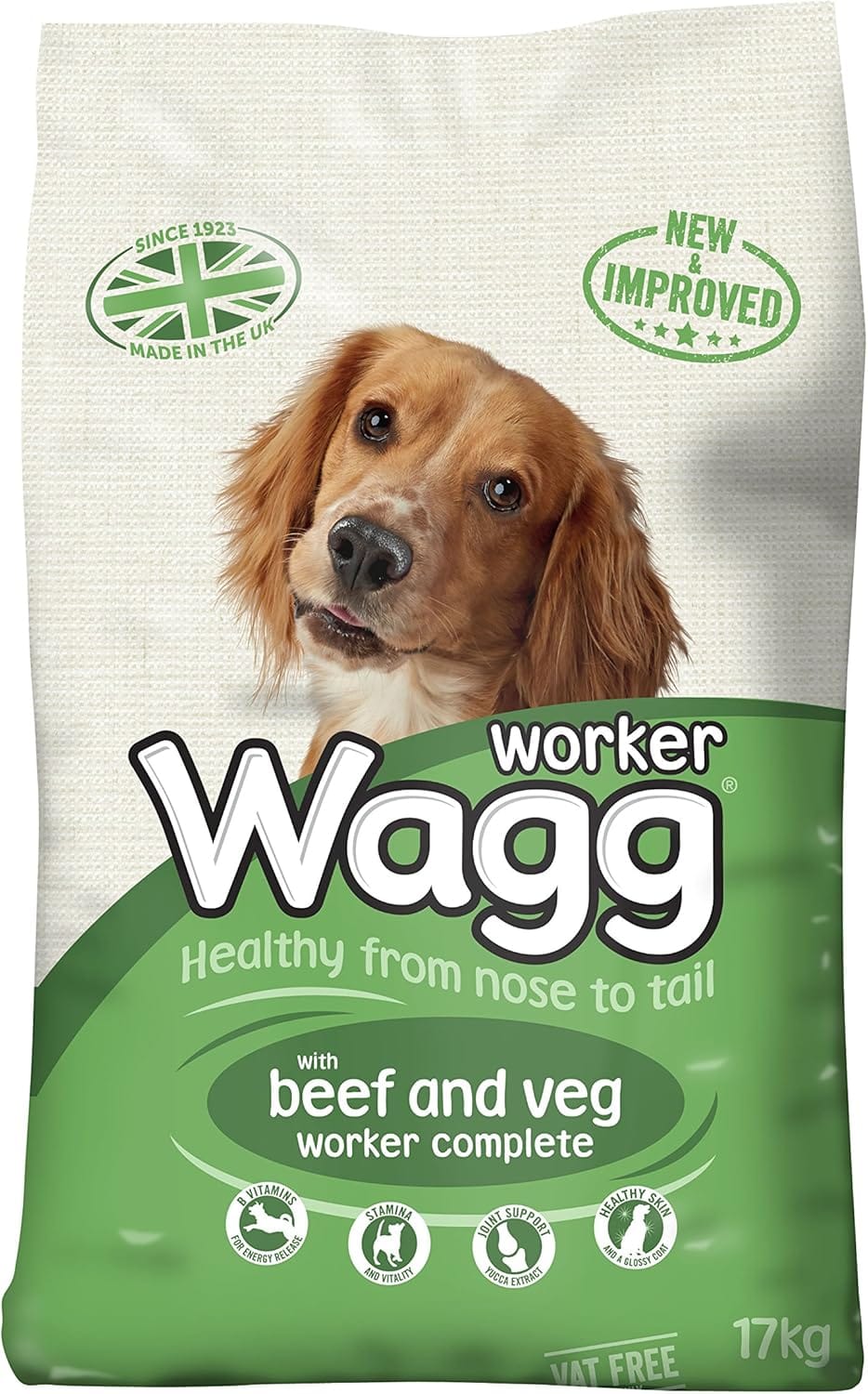
Choosing the right dog food can be a daunting task for many pet owners, often involving a delicate balance between quality, your dog’s specific needs, and your budget. Among the more affordable options available, Wagg dog food frequently sparks discussions among owners. This concern is heightened when a veterinarian expresses strong disapproval of a food, leaving owners feeling uncertain and guilty. This article delves into user experiences with Wagg, explores why it often receives criticism, and guides you toward finding quality alternatives that won’t break the bank.
Understanding Dog Food Quality: Beyond the Price Tag
The term “quality” in dog food can be subjective, but generally, it refers to the type and proportion of ingredients used. High-quality dog foods typically feature named meat sources (like chicken, beef, or lamb) as the primary ingredients, indicating a good source of protein essential for muscle development and overall health. They also contain a balanced blend of vitamins, minerals, and healthy fats. Conversely, lower-quality foods may rely more heavily on fillers such as corn, wheat, or soy, and “meat by-products” rather than specific meat meals. While some dogs can thrive on these foods, others may experience digestive issues or allergies due to sensitivities to these common ingredients. It’s also worth noting the ongoing debate surrounding grain-free diets, though many veterinary bodies state that grains are not inherently bad for dogs and can be a valuable source of nutrients for many.
Wagg Dog Food: User Experiences and Common Concerns
Wagg is a popular choice for many dog owners primarily due to its accessible price point, with a 6kg bag often costing around £5. However, the brand frequently faces scrutiny. In online forums, experiences with Wagg are varied. Some owners report that their dogs have been perfectly healthy and happy on Wagg for years, maintaining good energy levels and a shiny coat. For example, one user mentioned their Labrador mix, fed Wagg Active (the green bag), has maintained a healthy weight, energy, and coat without issues, despite the vet not raising any concerns.
On the other hand, many owners, like the original poster in a discussion on Labrador Forums, report negative experiences. Concerns range from digestive upset, such as loose stools, to more serious issues like hair thinning and fur loss. The emotional toll of a vet’s criticism can be significant, making owners question their ability to provide adequate care if they cannot afford premium foods. This sentiment highlights the pressure many owners feel to provide the “best,” even when facing financial constraints.
Why Wagg is Often Criticized: The Veterinary Perspective
Veterinarians often recommend specific dog food brands based on ingredient quality, nutritional completeness, and suitability for dogs with health sensitivities. Foods like Wagg are frequently criticized because they tend to contain a higher proportion of cereal-based fillers and meat derivatives, and lower levels of digestible protein compared to premium brands. While these ingredients provide calories, they may not offer the optimal nutritional profile for all dogs, especially those with sensitive stomachs or allergies.
Vets may also suggest more expensive brands like James Wellbeloved because they often use hypoallergenic ingredients or single-source proteins, which can be beneficial for dogs with specific dietary needs. However, it’s important to acknowledge that veterinary advice can sometimes be influenced by the brands they stock or have promotional partnerships with. The key takeaway is that while vets aim to provide the best advice, their recommendations are often geared towards foods with higher-quality ingredients that are less likely to cause adverse reactions, though they might come at a higher cost.
Finding Affordable, Better-Quality Alternatives
The good news is that there are numerous dog food brands that offer a better nutritional profile than many budget options without costing a fortune. Based on discussions and user recommendations, several brands stand out for their value:
- Skinners Field & Trial: This brand is frequently mentioned as a cost-effective, good-quality option. Many users have found their dogs do well on Skinners, with options like their salmon and rice formula being a popular choice for sensitive digestion. A 15kg bag can often be found for around £20-£25, making it a much more economical choice than premium brands.
- Chappie Complete Kibble: Often recommended by veterinarians for dogs with sensitive stomachs or digestive issues, Chappie is both affordable and readily available. Many owners have found it effective in resolving loose stools and other digestive problems.
- Wainwrights: While some users noted they moved away from Wainwrights, it was mentioned as a food that provided a step up in quality for some dogs, often available at a reasonable price point.
- Costco Own Brand (Kirkland Signature): For those with access to Costco, their own-brand dog food is often praised for its high-quality ingredients at a competitive price.
When choosing an alternative, look for:
- Named Meat Sources: Ensure the first few ingredients list specific meats (e.g., “chicken,” “lamb meal”) rather than generic “meat by-products.”
- Balanced Nutrition: Check for a good balance of protein, fats, carbohydrates, vitamins, and minerals suitable for your dog’s life stage and activity level.
- Digestibility: Signs of good digestibility include firm, consistent stools and minimal flatulence.
- Your Dog’s Health: Ultimately, the best food is one your dog thrives on, showing good energy levels, a healthy coat, and no adverse reactions.
Resources like the website allaboutdogfood.co.uk can be invaluable for comparing ingredients, ratings, and costs per day for various dog foods.
The “One Size Fits All” Fallacy in Dog Food
It’s crucial to understand that every dog is an individual with unique dietary needs and sensitivities. What works wonderfully for one dog might cause problems for another. This is why relying solely on online reviews or a vet’s recommendation for a specific brand without observing your own dog’s response can be misleading. Avoid the temptation to constantly switch foods, as this can disrupt a dog’s digestive system. Instead, if a food seems to be working well for your dog, and they are healthy and happy on it, it’s likely the right choice for them, regardless of its price point or external opinions.
Managing Diet and Portion Control for a Healthy Weight
For owners concerned about their dog’s weight, as was the case with the original poster’s Lab, managing food intake is key. It’s easy to overfeed, especially when dogs are masters at looking hungry. Here are some practical tips:
- Measure Accurately: Use a kitchen scale to weigh your dog’s kibble. Scoops can be inconsistent, leading to significant variations in the amount of food given.
- Adjust Portions: If your dog is overweight, gradually reduce their daily food intake. You can start by reducing the amount by about a third and observing the impact on their weight and stool consistency.
- Add Safe Fillers: Incorporating small amounts of low-calorie, safe vegetables like chopped carrots or green beans can help a dog feel fuller without adding many calories. Ensure these are prepared safely (e.g., raw carrots can be a good dental chew, while cooked green beans are easily digestible).
- Limit Treats: Be mindful of the treats you give. High-calorie treats can add up quickly and contribute to weight gain. Opt for healthier, lower-calorie options or use a portion of their daily kibble as treats.
Conclusion: Making Informed Choices for Your Canine Companion
While Wagg dog food offers an economical option for dog owners, it’s essential to be aware of its limitations and the potential for individual dogs to react negatively to its ingredients. Feeling guilty about feeding a budget food is understandable, but it’s more important to make informed decisions that prioritize your dog’s health within your financial means. Observe your dog closely for any signs of digestive upset, allergies, or poor coat condition. If you’re considering a change, research affordable, reputable brands like Skinners or Chappie. Consulting with a veterinarian for a second opinion, especially if you suspect a specific health issue, can also provide valuable guidance. Ultimately, the best dog food is the one that keeps your beloved companion happy, healthy, and energetic.
If you have found this information helpful, consider exploring other articles on our site for more tips on dog nutrition and care.
