
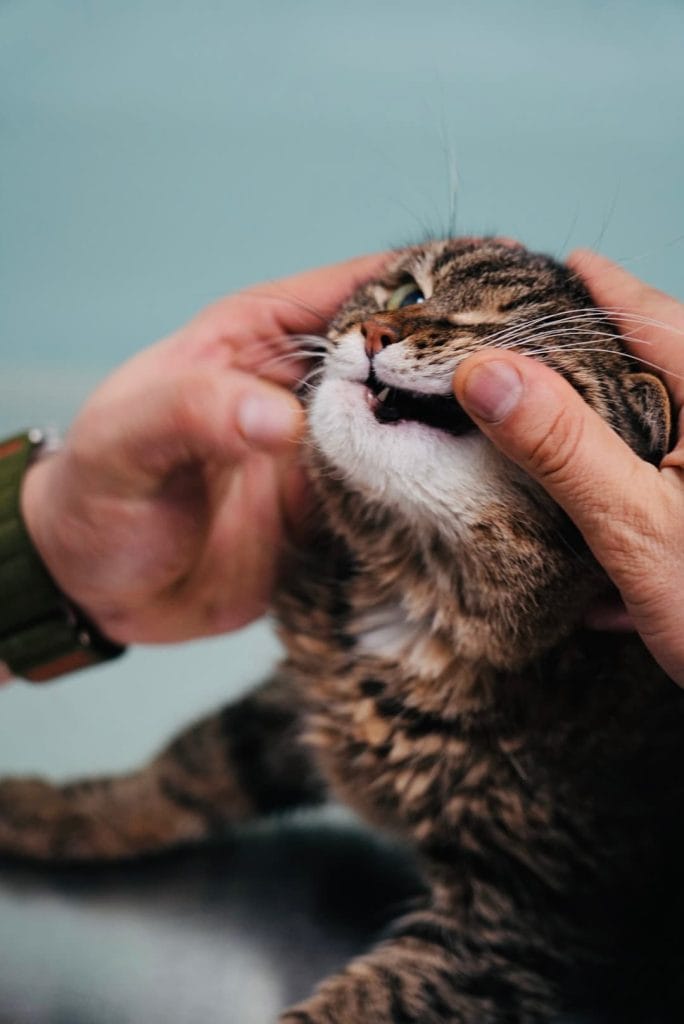
Keeping your feline companion’s teeth and gums healthy is crucial for their overall well-being, and cat dental treats can be a valuable addition to their oral hygiene routine. These specially formulated snacks are designed to combat plaque and tartar buildup, freshen your cat’s breath, and make veterinary dental cleanings more manageable. By understanding what makes these treats effective and how to choose the right ones, you can significantly contribute to your cat’s long-term dental health. This guide, drawing from expert insights, will explore the benefits and best practices for incorporating dental treats into your cat’s daily care.
How Dental Treats Contribute to Your Cat’s Oral Hygiene
Dental disease is a prevalent issue among cats, with most showing signs of gingivitis or periodontal disease by the age of three. If left unaddressed, these conditions can lead to discomfort, tooth loss, and even systemic health problems. While regular professional cleanings by a veterinarian are indispensable, at-home dental care plays a vital role in minimizing plaque and tartar accumulation between visits. Cat dental treats serve as a convenient tool to complement other oral care methods like brushing or specialized dental diets. When used appropriately, they assist in reducing food particles and bacteria on the tooth surface, thereby supporting a healthier oral environment.
What Makes Cat Dental Treats Effective?
The effectiveness of cat dental treats lies in their formulation and design, with the Veterinary Oral Health Council (VOHC) playing a key role in verifying their efficacy.
VOHC Approval
The VOHC seal is a trusted indicator of a dental product’s quality and effectiveness. This approval signifies that the product has undergone rigorous testing and has been proven to help reduce plaque and tartar buildup. Always look for this seal when selecting dental treats to ensure you are choosing a product backed by veterinary science and proven to be beneficial for your cat’s oral health.
Texture and Shape
The physical characteristics of dental treats are designed to aid in cleaning. Effective treats possess a firm texture that provides gentle abrasion as your cat chews, helping to scrape away plaque and soft tartar from the tooth surfaces. Additionally, unique shapes or larger sizes can encourage more prolonged chewing, thereby increasing the contact time between the treat and the teeth, maximizing the cleaning benefit.
Active Ingredients
Beyond mechanical cleaning, some cat dental treats are enhanced with active ingredients that further support oral hygiene. These can include enzymes or antibacterial agents specifically formulated to inhibit the growth of plaque-causing bacteria or to break down existing plaque. Such ingredients can offer an added layer of defense against dental disease when used as part of a comprehensive dental care regimen.
Types of Cat Dental Treats
The market offers a diverse range of cat dental treats, each with specific features to cater to different feline needs and preferences.
Crunchy Dental Treats
These are the most commonly available type of dental treat. Their firm, textured surface is designed for mechanical cleaning as the cat chews. Many cats find the satisfying crunch appealing. When selecting these treats, it’s advisable to opt for brands that are low in calories and sugar-free to prevent unintended weight gain and to avoid contributing to dental decay.
Dental Chews
Certain dental chews are engineered to mimic the action of tooth brushing. They are typically larger and designed to encourage extended gnawing, which amplifies their cleaning effect. However, it’s important to note that not all cats are inclined to chew for extended periods. Observing your cat’s preferences is key before committing to larger chew varieties.
Functional Treats with Enzymes
These specialized dental treats incorporate enzymes or antibacterial agents that actively target and reduce plaque-forming bacteria. They can be particularly beneficial for cats experiencing early stages of tartar buildup or mild bad breath. While they enhance daily oral hygiene, they do not replace professional veterinary dental cleanings or regular brushing.
Prescription Dental Treats
For cats with specific or more advanced oral health conditions, veterinarians may prescribe specialized dental treats. These treats are usually integrated into a broader dental management plan that might include specialized diets or regular professional interventions. It is essential to adhere strictly to your veterinarian’s guidance regarding the administration and dosage of prescription dental treats.
How to Choose the Best Cat Dental Treats
Selecting the most appropriate dental treats for your cat involves considering several factors related to their individual needs and habits.
Check for VOHC Approval
Prioritizing VOHC-approved treats is a fundamental step in ensuring you are providing an effective product. This seal guarantees that the treats have met stringent standards for reducing plaque and tartar.
Evaluate Texture and Size
The texture and size of the treat should align with your cat’s chewing habits and oral structure. Smaller, crunchy treats may be suitable for cats who tend to gulp their food or have smaller mouths. Conversely, cats that enjoy extended chewing might prefer larger dental chews. The texture must be firm enough to offer cleaning benefits without posing a risk of dental damage.
Avoid Unnecessary Additives
It is best to choose treats that focus on dental health rather than relying on artificial colors, added sugars, or high fat content. Opt for products with simple, beneficial ingredients.
Consider Caloric Intake
Even seemingly healthy dental treats contribute to your cat’s daily caloric intake. To prevent weight gain, especially if treats are given daily, it is important to adjust your cat’s regular meal portions accordingly.
Consult Your Veterinarian
If your cat has pre-existing dental disease, sensitive teeth, or other oral health concerns, always consult your veterinarian before introducing new dental treats. They can offer personalized recommendations for safe and effective options tailored to your cat’s specific condition.
Benefits of Using Cat Dental Treats
Integrating cat dental treats into your pet’s routine, when done correctly and consistently, can yield several significant advantages for their oral health.
Reduces Plaque and Tartar Buildup
The mechanical action involved in chewing dental treats helps dislodge food particles and soft plaque before it calcifies into stubborn tartar. Over time, this can contribute to fresher breath and healthier gums.
Supports Regular Oral Hygiene
While not a substitute for professional veterinary dental cleanings, these treats play a supportive role in maintaining oral cleanliness between veterinary visits. When used in conjunction with regular brushing and professional care, they can help extend the intervals between dental cleanings.
Improves Breath
Persistent bad breath in cats is often an indicator of underlying dental disease. Dental treats specifically formulated for oral health frequently contain ingredients designed to neutralize the odor-causing bacteria responsible for halitosis.
Encourages Positive Dental Habits
Introducing cats to dental treats at an early age can foster a positive association with oral care, potentially making it easier to incorporate other at-home dental maintenance methods later on. Cats that enjoy their treats may be more receptive to brushing and other forms of oral hygiene.
Tips for Introducing Cat Dental Treats
Finding a dental treat your cat genuinely enjoys may require some patience, as individual preferences vary.
Start Slowly
When introducing a new dental treat, begin by offering it one at a time. Observe your cat’s reaction closely and watch for any signs of digestive upset or lack of interest.
Incorporate into a Routine
Establishing a consistent schedule for offering dental treats can help build a regular habit for your cat’s dental care. Many owners find it convenient to offer these treats after meals or before bedtime.
Reward Healthy Behavior
Dental treats can serve as positive reinforcement during grooming sessions or following vet visits, helping to create a positive association with oral care activities.
Store Properly
To maintain freshness and prevent spoilage, store cat dental treats in a cool, dry place. Always adhere to the storage instructions provided on the product packaging.
When Should You Visit the Dentist for Your Cat?
Despite the benefits of using cat dental treats, professional dental care remains paramount. Your cat should undergo a comprehensive dental examination at least annually, or more frequently if any signs of dental disease are observed. These signs may include persistent bad breath, difficulty eating or chewing, excessive drooling, red or bleeding gums, or visible tartar buildup.
For expert feline dental care and thorough oral health evaluations in Spring, TX, Houston Pet Pet Dental offers professional services to help maintain your cat’s bright and healthy smile. If you notice any of the aforementioned symptoms, please contact Houston Pet Dental at 832-702-7599 to arrange an appointment.
Encourage a Healthier Smile with the Right Cat Dental Treats
Choosing the most suitable cat dental treats can significantly contribute to maintaining cleaner teeth, fresher breath, and an overall happier cat. When these treats are combined with professional veterinary care and a balanced diet, they can actively support your cat’s lifelong oral health. The cornerstone of effective use lies in selecting VOHC-approved products, administering them consistently, and collaborating closely with your veterinarian to develop a personalized care plan. For professional dental expertise and guidance in Spring, TX, reach out to Houston Pet Dental at 832-702-7599 to schedule your cat’s next dental checkup or cleaning. A healthy mouth is fundamental to your cat’s comfort, confidence, and their ability to purr contently for years to come.
